
Copyright © 2026 Wastefree Pty Ltd. All rights reserved.
Wastefree electronic waste recycling services ensuring EPA compliance for commercial and industrial sites in NSW

E-Waste Recycling Services in NSW

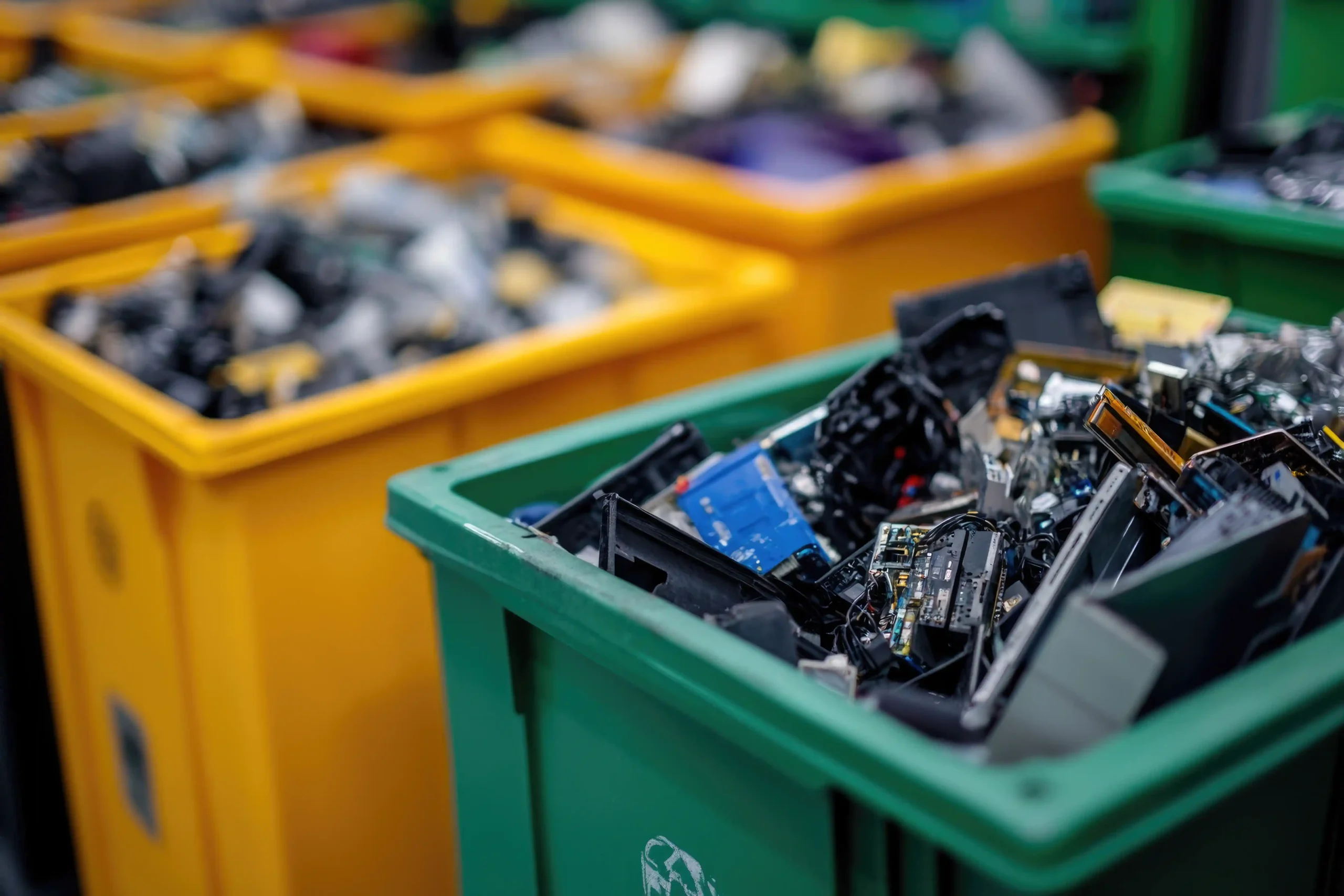
Electronic waste, commonly referred to as e-waste, includes discarded electrical and electronic equipment, as well as battery-powered devices generated across commercial, industrial, education and healthcare environments. Items such as computers, servers, monitors, printers and other electronic devices contain components that require specialised handling and regulated processing. 

across NSW, with a strong operational presence in Sydney, Wastefree manages structured e-waste recycling programs that support secure collection, responsible material recovery and environmentally compliant disposal pathways. 

 These services are designed to reduce environmental risk, protect sensitive equipment and ensure electronic waste is processed through approved facilities rather than entering general waste streams.  
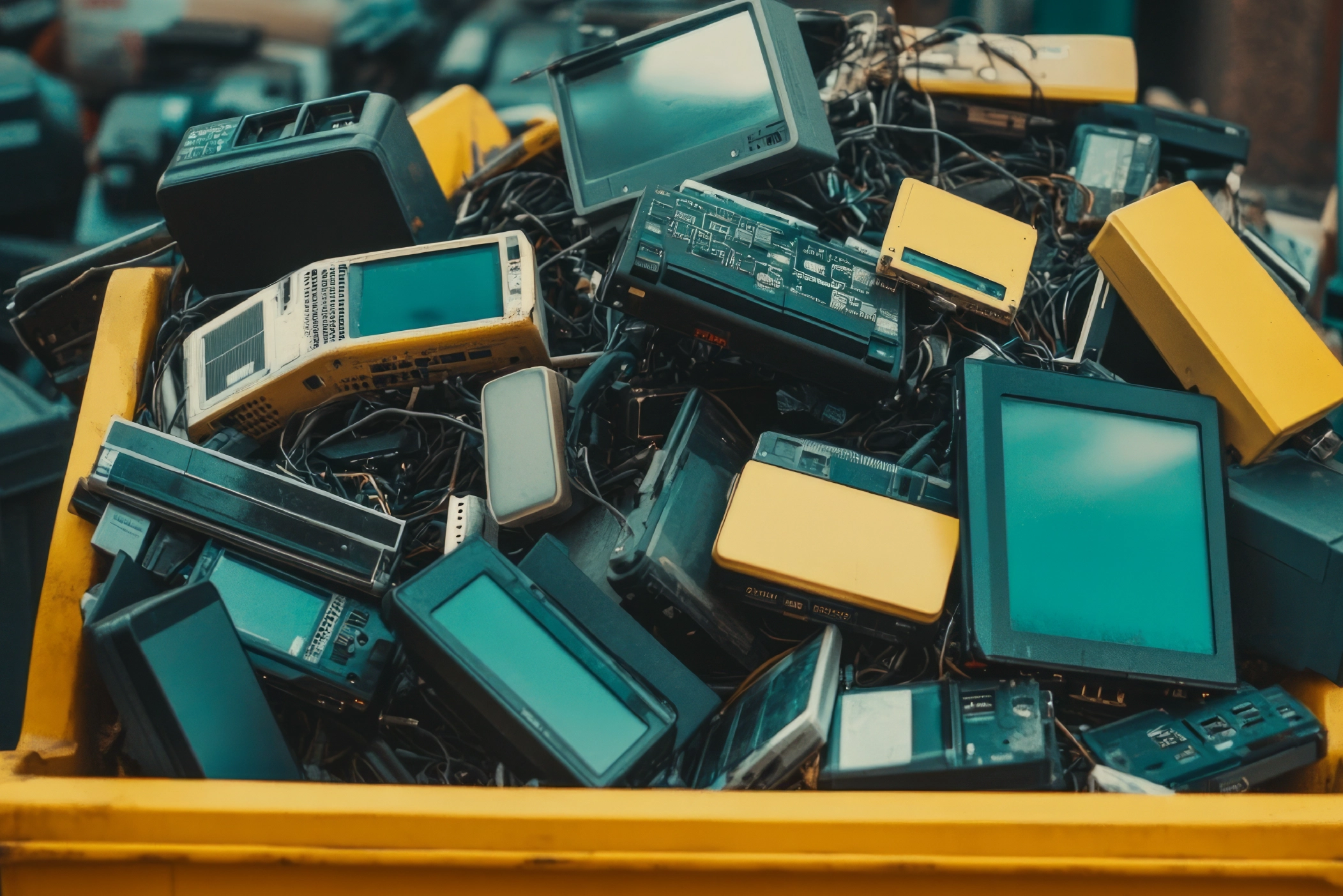
Wastefree electronic and battery recycling services helping businesses achieve ESG and sustainability targets

What Qualifies as E-Waste?

Common items classified under e-waste recycling include: 

  • Desktop computers and laptops 
  • Servers and IT infrastructure 
  • Monitors and display screens 
  • Printers and multifunction devices 
  • Network equipment and peripherals 
  • Small electronic appliances 
  • Power tools and battery-operated equipment 
  • Mobile phones and tablets 
  • Lithium-ion batteries and rechargeable batteries 
  • Power banks and portable battery devices 

Electronic waste often contains recyclable metals, plastics and circuit components. However, it may also contain hazardous materials that require compliant processing. 

Battery recycling in NSW is a critical component of e-waste management. Lithium-ion batteries, in particular, pose significant fire risks if placed in general waste or standard recycling bins.  

Clear identification and segregation of electronic waste and batteries at the source helps reduce safety risks, protect collection infrastructure and ensure materials are processed through licensed facilities. 

How E-Waste Recycling Works

Unlike general waste or standard recyclables, electronic waste requires a controlled collection and processing pathway. 

An effective e-waste recycling process generally involves: 

  • Identifying and isolating obsolete electronic equipment 
  • Arranging secure collection and transport 
  • Ensuring safe handling during loading and removal 
  • Delivering materials to licensed e-waste recycling facilities 
  • Processing components for material recovery and responsible disposal 

Where required, secure handling protocols can be incorporated to support data protection requirements. 

Wastefree e-waste recycling bins for commercial sites ensuring compliant electronic waste disposal
Wastefree electronic waste and battery recycling for commercial and industrial facilities managing hazardous waste streams

E-Waste Recycling for Commercial and Industrial Environments

Electronic waste recycling services are commonly required across: 

  • Corporate offices and IT-intensive workplaces 
  • Data centres and technology operations 
  • Educational institutions 
  • Government facilities 
  • Healthcare providers 
  • Industrial and manufacturing environments 

Each environment generates e-waste differently, often in batches due to equipment upgrades, relocations or asset replacement cycles. 

Structured e-waste recycling services help manage these transitions efficiently and compliantly.

Secure Handling and Data Considerations

Many electronic devices contain sensitive business or personal data. When disposing of IT equipment, secure handling procedures are critical. 

E-waste recycling services can be structured to: 

  • Maintain controlled collection environments 
  • Prevent unauthorised access to devices 
  • Coordinate secure transport to processing facilities 
  • Support documented disposal procedures 

This helps organisations reduce risk while ensuring electronic equipment is processed responsibly. 

Preventing Hot Loads and Battery-Related Fires

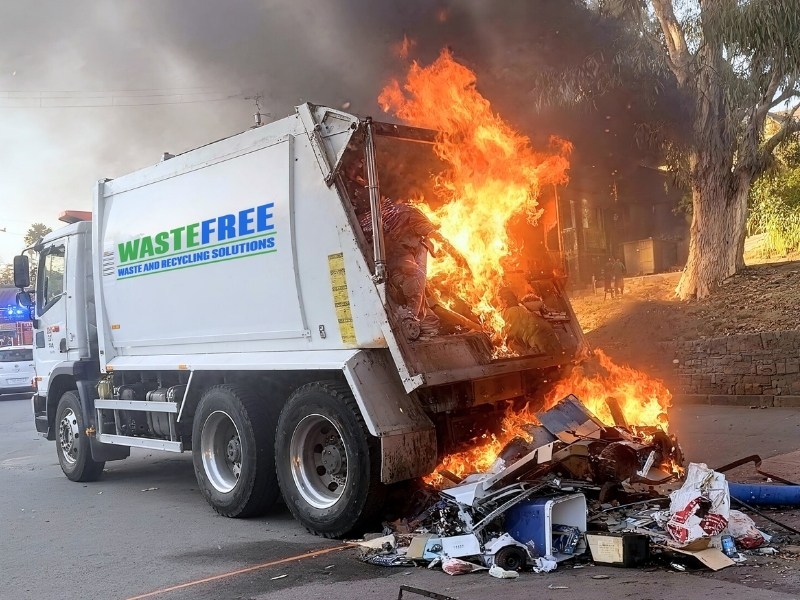
Incorrect disposal of electronic waste and lithium batteries is one of the leading causes of hot loads and truck fires within the waste industry. In NSW, battery-related fires are reported to occur multiple times each week across waste and recycling vehicles, transfer stations and processing facilities . 

A “hot load” occurs when combustible materials such as lithium batteries ignite during collection or processing. When batteries or electronic devices are placed in general waste or standard recycling bins, they can be crushed inside collection vehicles or compactors, causing sparks that quickly escalate into fires.

To reduce risk, e-waste recycling systems must clearly separate electronic equipment and battery-containing items from general waste streams.Structured e-waste recycling services help:

  • Prevent battery ignition inside collection vehicles 
  • Protect drivers, staff and property 
  • Avoid service interruptions and site damage 
  • Reduce liability exposure 
  • Maintain regulatory complianceInstalling dedicated battery collection points, clearly marking acceptable materials and reinforcing disposal guidelines during staff inductions or toolbox talks can significantly reduce the risk of hot loads. Proper e-waste recycling is not only an environmental responsibility, but also a critical safety measure for businesses operating throughout NSW.

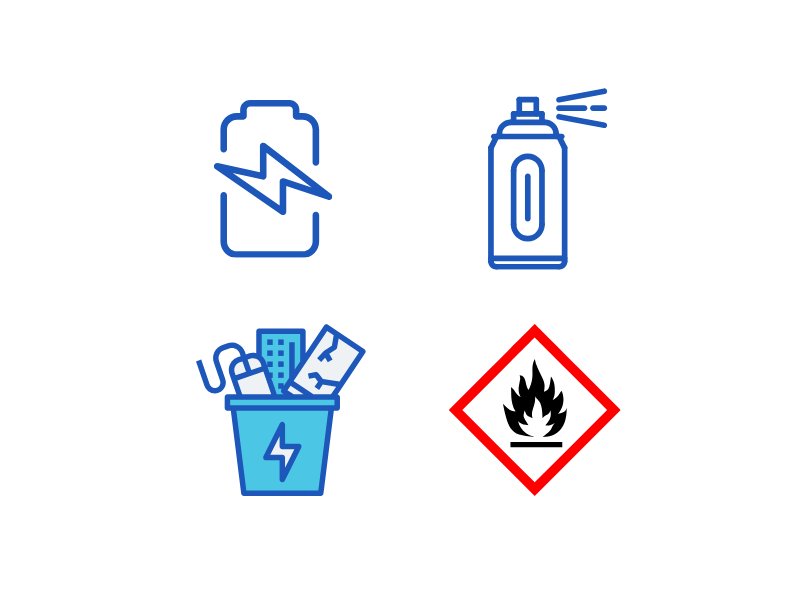
Common items responsible for hot loads include:

  • Loose lithium-ion batteries 
  • Mobile phones and small electronic devices 
  • Laptops and chargers 
  • Vapes and power banks 
  • Aerosol cans and flammable liquids 


E-Waste Recycling Pricing

The cost of e-waste recycling varies depending on the type and volume of equipment being disposed of. Businesses searching for e-waste recycling cost or electronic waste disposal pricing should consider factors such as:

Quantity and type of devices

Weight and material composition

Collection method and site access

Requirement for secure handling procedures

Batch collections versus ongoing arrangements

Because electronic waste volumes are often project-based, pricing is typically structured according to the specific equipment being removed. A site review or inventory assessment helps determine the most appropriate and cost-effective recycling arrangement.

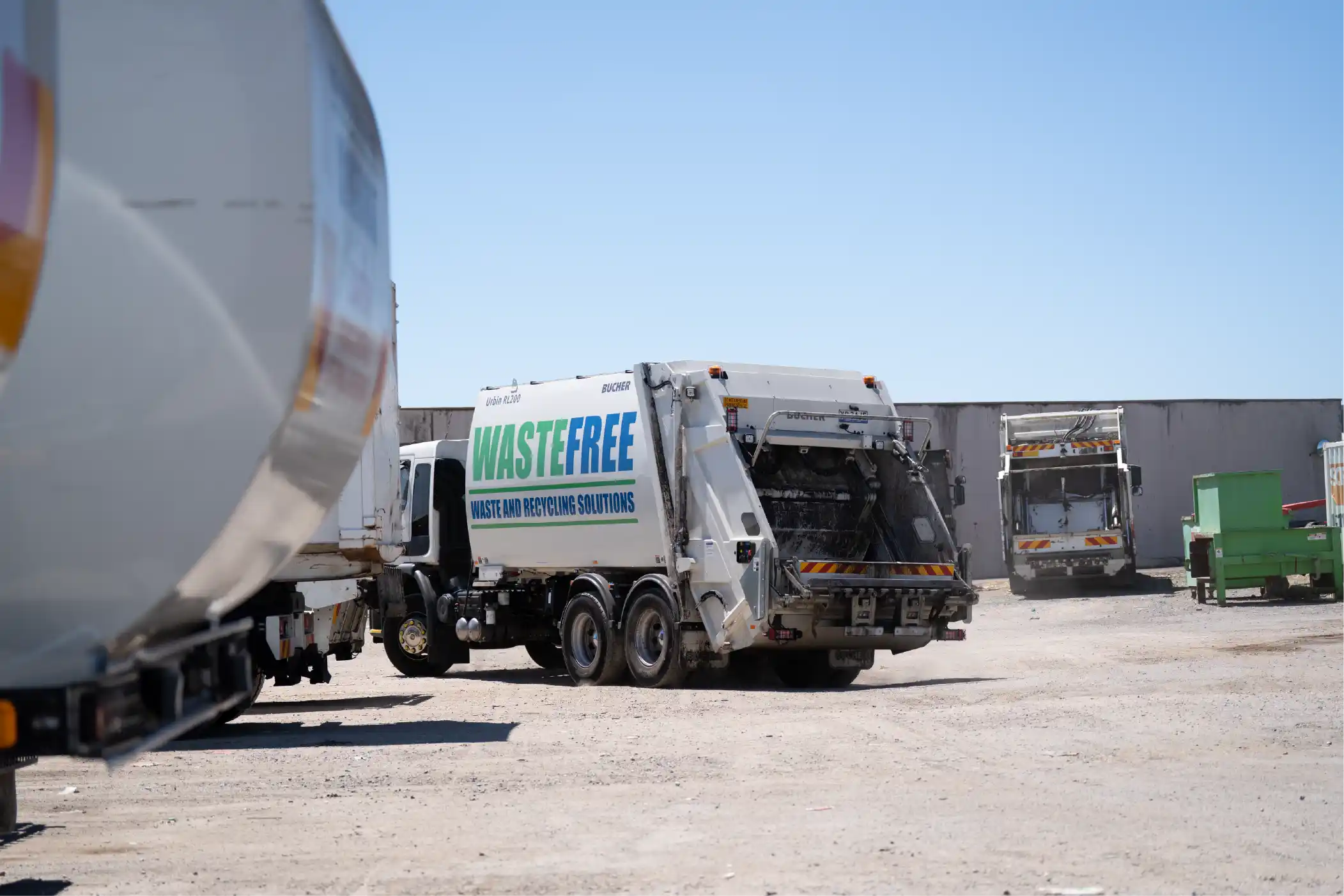
Waste-Free managing general waste disposal in NSW through licensed facilities, ensuring EPA compliance and responsible environmental handling.

Responsible Processing and Regulatory Compliance

Collected electronic waste is delivered to licensed e-waste recycling facilities operating under EPA and environmental guidelines. These facilities dismantle equipment, separate recyclable materials and ensure hazardous components are processed in accordance with regulatory standards. 

Maintaining compliant processing pathways is essential to protecting both environmental and corporate responsibilities. 

Reviewing Your E-Waste Disposal Requirements

Technology lifecycles continue to shorten, increasing the frequency of equipment upgrades and replacements. Without a structured plan, outdated electronic equipment can accumulate on site or be disposed of incorrectly. 

For businesses operating in NSW, reviewing current e-waste disposal practices helps ensure electronic waste is managed securely, responsibly and in line with regulatory expectations. 

TOP