
Copyright © 2026 Wastefree Pty Ltd. All rights reserved.
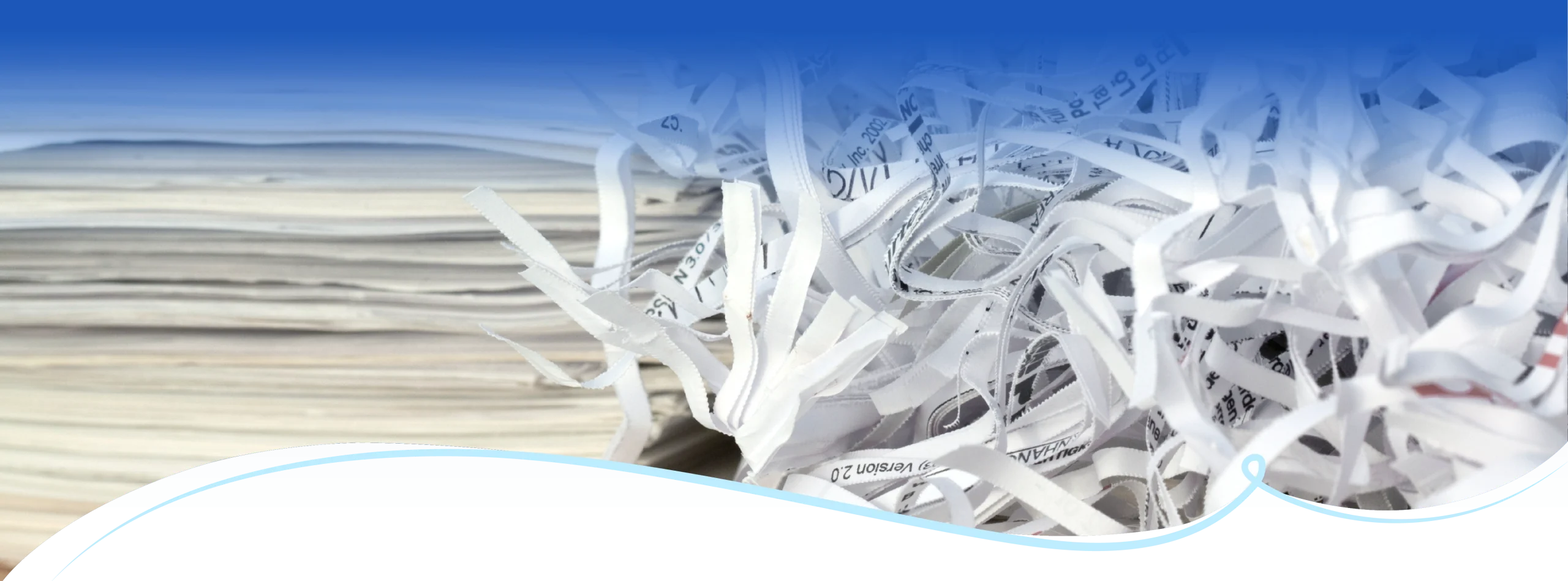
Shredded confidential documents for secure document destruction and data protection services NSW

Secure Document Destruction Services Sydney

Secure document destruction in NSW is essential for businesses that handle confidential information, client records, financial data and internal documentation. Improper disposal of paper records can expose organisations to privacy breaches, identity theft risks and regulatory penalties. 

For businesses operating in Sydney and across New South Wales, Wastefree offers secure document destruction services that combine controlled collection, secure handling and compliant shredding to protect sensitive information. Our services are designed to ensure confidential materials are destroyed in accordance with privacy and data protection requirements. 

When confidential documents are placed in general waste or unsecured recycling bins, they remain accessible and vulnerable. A structured document destruction system ensures information is handled securely from collection through to certified destruction. 

Wastefree can provide secure document destruction services for businesses managing confidential material, including:

  • Secure collection of confidential documents
  • Locked and tamper-resistant document bin supply
  • Scheduled confidential document collection
  • Secure transport to licensed shredding facilities
  • Controlled handling by authorised personnel
  • Industrial shredding of sensitive documents
  • Recycling of shredded paper where appropriate
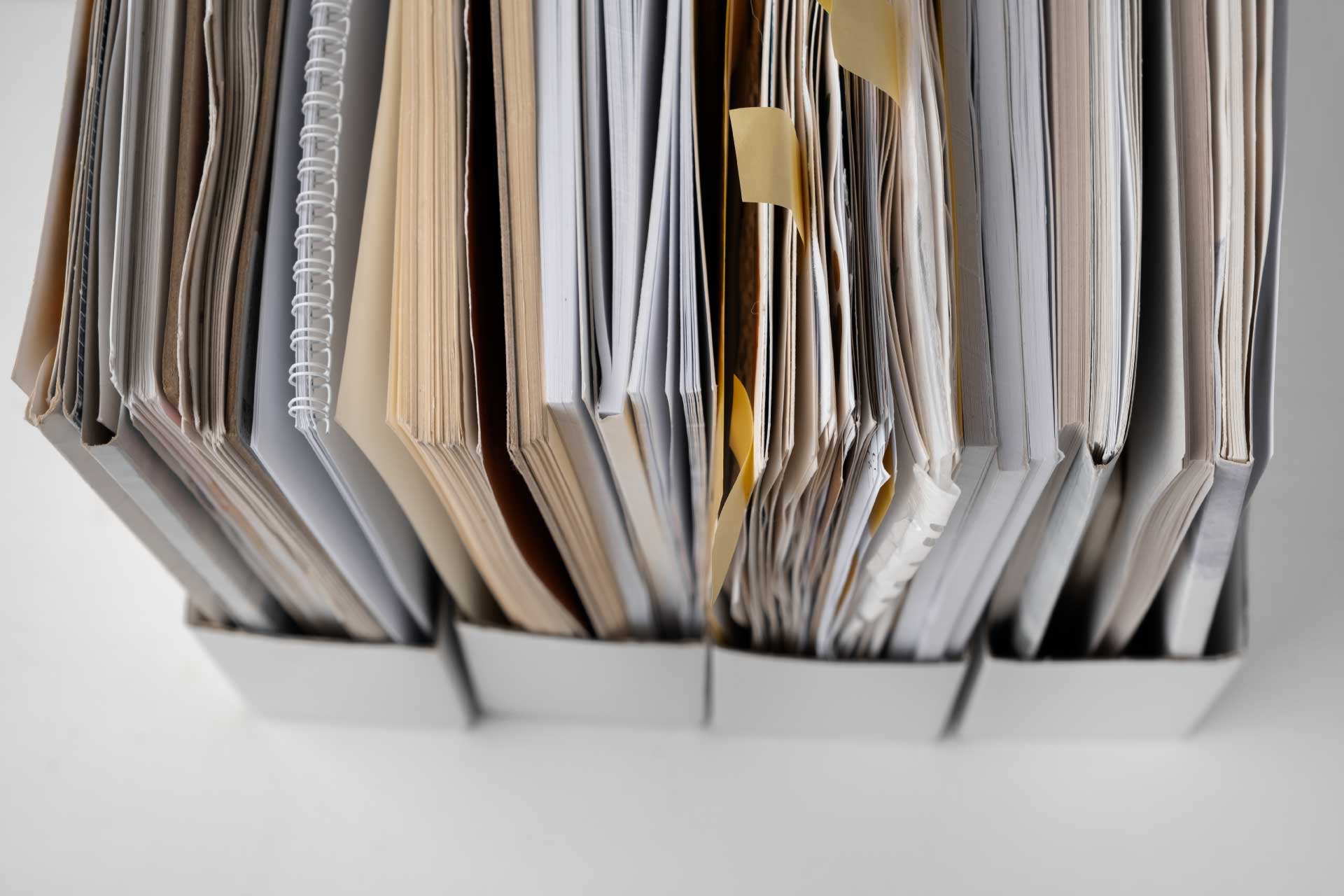
Confidential business documents prepared for secure shredding

What Qualifies for Secure Document Destruction?

Secure document destruction services typically cover: 

  • Client and customer records 
  • Financial statements and accounting documents 
  • Employee files and HR records 
  • Medical and healthcare documentation 
  • Legal correspondence and contracts 
  • Internal reports and sensitive business material 

Any document containing personal, financial or commercially sensitive information should be managed through secure shredding rather than standard recycling. 

How Does Secure Document Destruction Work?

Secure document destruction requires a controlled process to protect confidential information at every stage, from secure on-site collection through to transport, shredding and final material handling.

Wastefree secure document collection graphic supporting commercial document destruction

A controlled document destruction process involves:

  • Installing locked, tamper-resistant document bins
  • Secure transport to licensed shredding facilities
  • Restricting access to authorised personnel only
  • Industrial shredding that renders documents unreadable
  • Scheduled collection by trained operators
  • Recycling of shredded paper material where appropriate

This closed-loop approach reduces risk and ensures confidential material is destroyed beyond reconstruction.

Secure Document Destruction Bin Size

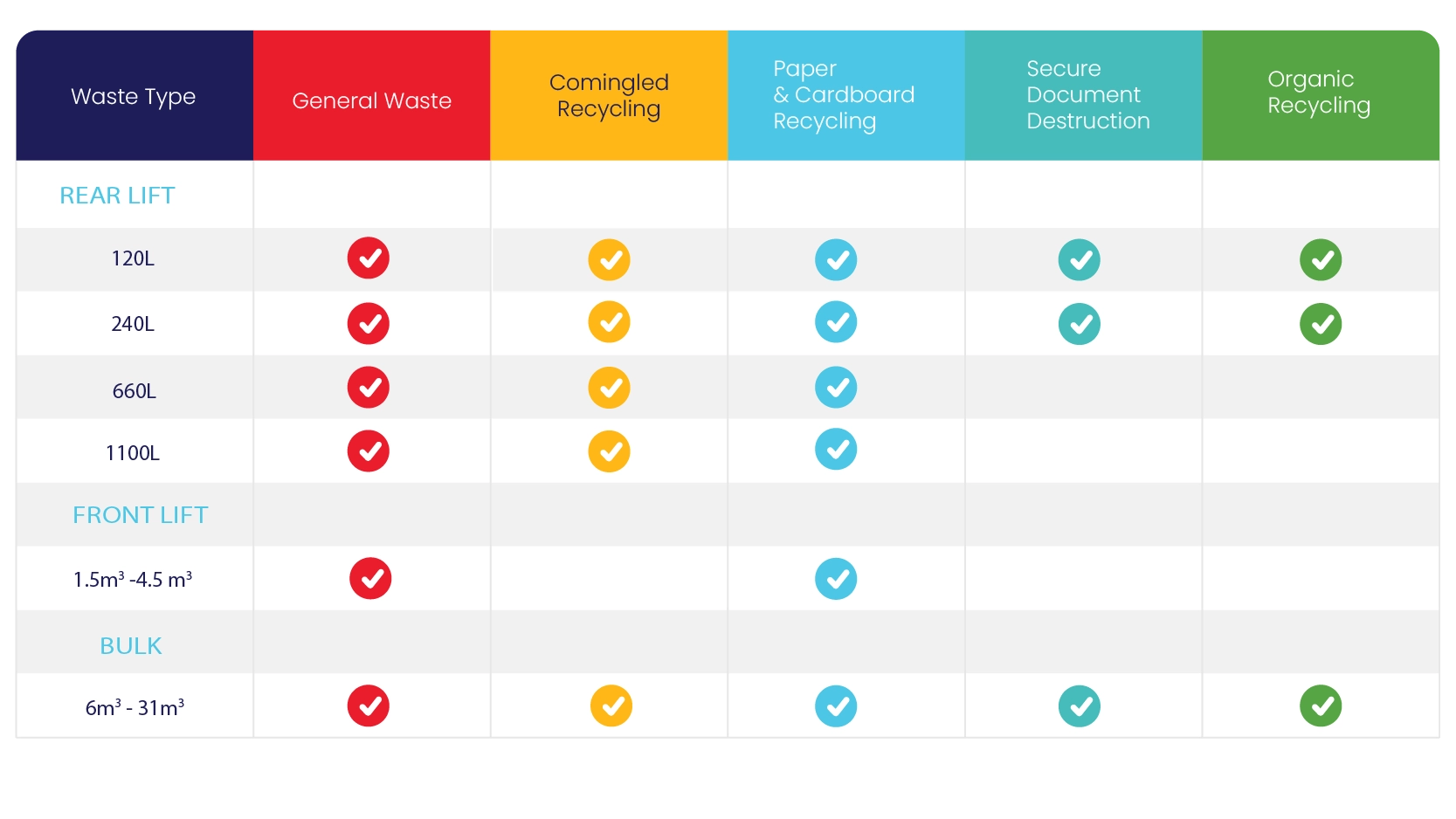
Wastefree supplies 120L rear-lift confidential document bins designed specifically for sensitive paper waste in commercial environments. 

These bins are: 

  • Lockable and tamper-resistant 
  • Suitable for offices, medical practices and professional environments 
  • Designed for controlled internal document disposal 
  • Compatible with scheduled rear-lift collection services 

The 120L confidential document bin provides a secure and practical solution for businesses generating ongoing volumes of sensitive paperwork. For larger offices or multi-department sites, multiple bins can be allocated to maintain convenience while ensuring confidentiality standards are upheld. 

Container placement and collection frequency are determined based on document volume, internal workflow and access conditions.

Wastefree secure document destruction bin for confidential paper shredding and compliance management

Secure Document Destruction

Waste collection bin sizes for different waste types
General waste bin icon for commercial and industrial waste management and disposal services

General Waste

Waste collection bin sizes for different waste types
Wastefree commingled recycling bin with mixed recyclable materials for commercial waste management services

Commingled Recycling

Waste collection bin sizes for different waste types
Paper recycling bin icon for commercial paper and cardboard recycling

Paper Recycling

Waste collection bin sizes for different waste types
Wastefree organic recycling bin for commercial food and organics waste

Organic Recycling

Waste collection bin sizes for different waste types
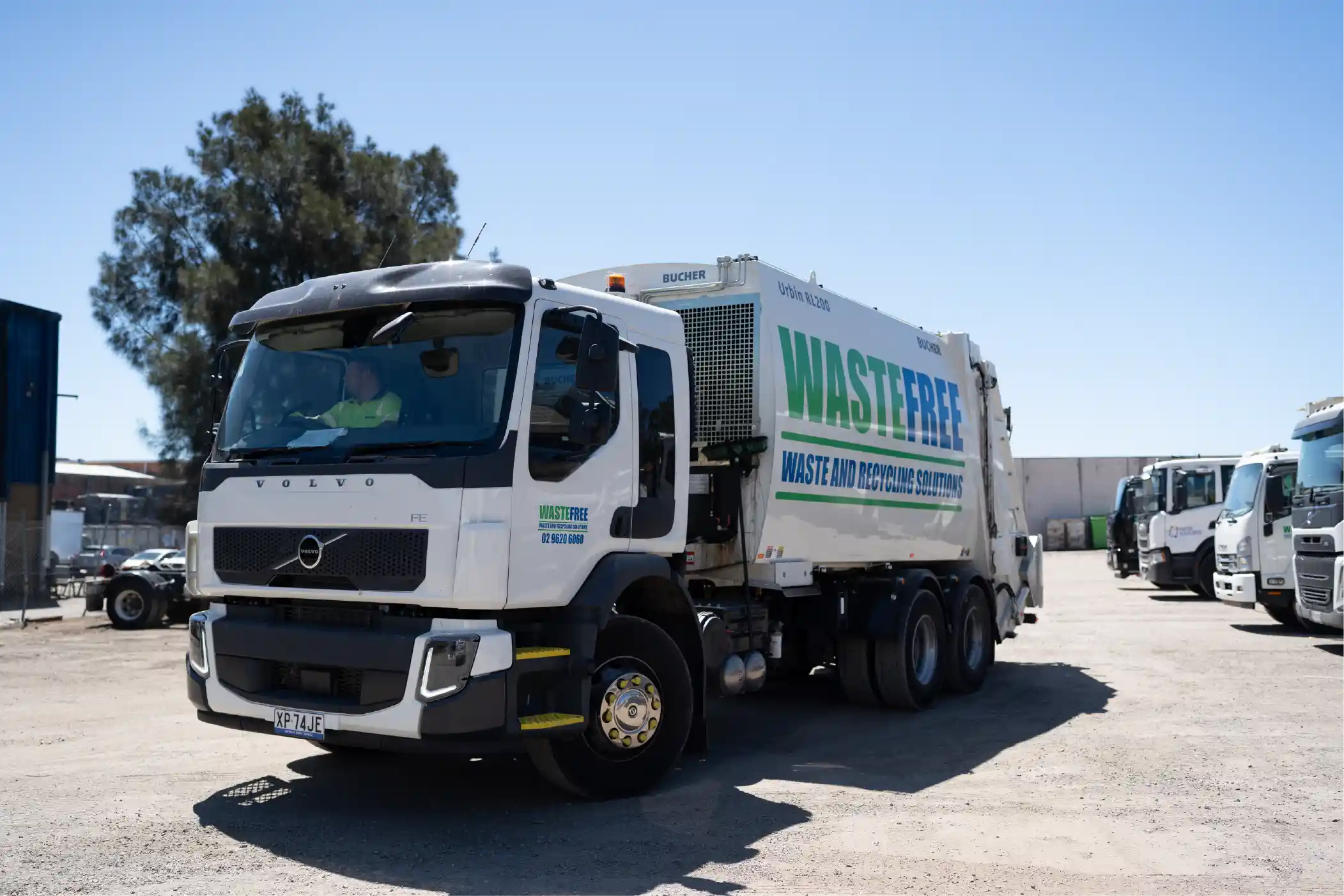
Wastefree secure document collection truck supporting confidential waste services

Compliance and Privacy Requirements

Businesses operating in Sydney must comply with applicable privacy and data protection regulations. Improper disposal of confidential documents can result in: 

  • Breaches of privacy legislation 
  • Financial penalties 
  • Reputational damage 
  • Legal exposure 

Secure shredding ensures paper-based records are destroyed in accordance with regulatory standards and internal governance policies.

Secure Document Destruction Pricing

Secure document destruction cost varies depending on service structure and document volume. Businesses researching confidential document shredding pricing or commercial document disposal cost in NSW should consider: 

  • Bin size and quantity 
  • Collection frequency 
  • Volume of confidential material generated 
  • One-off archive clean-outs versus ongoing service 
  • Site access conditions 

Organisations with consistent document output often operate scheduled collection services, while archive purges may require short-term bulk removal. 

An assessment of document volume and service requirements enables pricing to be structured accurately and securely. 

Waste-Free managing general waste disposal in NSW through licensed facilities, ensuring EPA compliance and responsible environmental handling.

Risks of Improper Document Disposal

If confidential materials are not destroyed properly, businesses may face: 

  • Data breaches 
  • Identity theft exposure 
  • Legal liability 
  • Loss of client trust 
  • Regulatory investigation 

A structured document destruction program reduces these risks and ensures sensitive information is permanently destroyed. 

Reviewing Your Document Disposal Practices

As businesses transition to digital systems, paper volumes may fluctuate. Periodic review of secure document bins, collection frequency and archive management ensures document destruction practices remain aligned with operational needs. 

For organisations operating in NSW, secure document destruction services provide a controlled and compliant method of managing confidential information responsibly. 

Frequently Asked Questions

Secure document destruction is the controlled collection, handling and shredding of confidential paper records so sensitive information cannot be accessed or reconstructed. 

It is commonly used for documents containing personal, financial, medical, employee, customer, legal or commercially sensitive information.

Documents containing confidential, personal, financial or commercially sensitive information should be placed in a secure document destruction bin rather than general waste or standard recycling. 

Examples include client and customer records, financial statements, accounting documents, employee and HR files, medical records, legal correspondence, contracts and sensitive internal business reports.

Confidential documents should not be placed in general waste or unsecured recycling bins because the information may remain accessible before the material is processed. 

Using a locked confidential document bin keeps sensitive paperwork within a controlled destruction process and reduces the risk of privacy breaches, identity theft, unauthorised access and inappropriate disposal.

Confidential documents are placed into locked, tamper-resistant bins and collected by trained operators. They are then securely transported to a licensed shredding facility, where the documents are industrially shredded so the information cannot be reconstructed. 

Shredded paper can then be directed to an appropriate recycling pathway where suitable.

Wastefree provides 120L rear-lift confidential document bins for sensitive paper waste generated in commercial environments. 

The bins are lockable and tamper-resistant and can be used in offices, medical practices and other professional workplaces. Larger offices or departments generating higher volumes of confidential paperwork can use multiple bins where required.

Collection frequency should reflect how much confidential paper the business generates, the number of bins available, internal workflow and site access. 

Businesses generating confidential paperwork consistently may benefit from scheduled collections, while collection arrangements should be reviewed if bins regularly reach capacity too quickly or document volumes change.

Regular collections are generally more suitable for businesses that generate confidential documents continuously, while a one-off archive purge can be more appropriate when clearing stored records or disposing of a larger volume of documents at once. 

The right arrangement depends on document volume, available storage, the frequency with which records become eligible for destruction and the way the site operates.

Confidential records should be destroyed once they are no longer required and any applicable legal, regulatory, contractual or operational retention obligations have been satisfied. 

Retention requirements can vary depending on the type of record and the organisation, so businesses should have a records-retention process that identifies when documents can be securely destroyed.

Wastefree's secure document destruction process involves collecting confidential material and securely transporting it to a licensed shredding facility for industrial destruction. 

Locked bins and controlled handling are used before collection and during the process to help protect confidential material until it is destroyed.

The cost of secure document destruction depends on the requirements of the business rather than one standard price. 

Factors can include the number of confidential document bins required, collection frequency, the volume of material, whether the service involves ongoing collections or an archive clean-out, and site access conditions. Assessing these requirements allows the service and pricing to be structured around the site.

Once confidential documents have been securely shredded, the paper material can be directed to appropriate recycling processes where suitable. 

This allows recoverable paper fibre to remain within a recycling pathway after the confidential information contained in the original documents has been securely destroyed.

TOP