Copyright © 2026 Wastefree Pty Ltd. All rights reserved.
Commingled recycling bins for commercial facilities in NSW wastefree recycling services

Commingled Recycling Services Sydney

Commingled recycling enables approved recyclable materials such as plastics, aluminium, steel cans, glass and beverage cartons to be collected through a single, designated recycling stream. In commercial and industrial environments, this simplifies separation while supporting resource recovery. 

Wastefree supports businesses throughout NSW and the Sydney metropolitan region with structured commingled recycling services designed to manage mixed recyclable materials efficiently, minimise contamination and reduce reliance on landfill disposal. 

When implemented correctly, commingled recycling improves participation while maintaining material quality suitable for processing. 

Wastefree can provide commingled recycling services designed around site operations, including: 

  • Collection of approved mixed recyclable materials  
  • Commingled recycling systems tailored to site requirements  
  • Recycling collection schedules based on waste volumes and site requirements  
  • Bin placement and collection planning for mixed recyclables  
  • Contamination control and recycling stream management  
  • Multi-site commingled recycling coordination
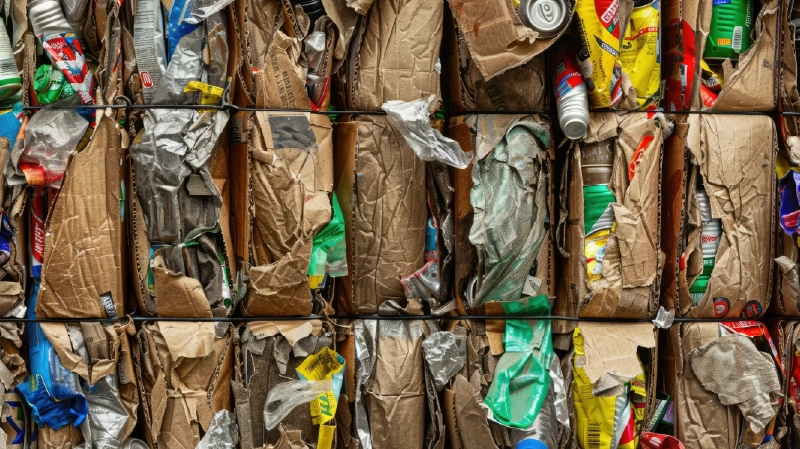
Mixed recyclable waste materials including cardboard, plastics and cans for commercial commingled recycling services and waste management systems

Structuring Mixed Recycling for Consistent Outcomes

Although commingled recycling is designed to be convenient, performance depends on correct setup and ongoing management. Contamination from food residue, liquids or non-approved materials can result in rejected loads and reduced recovery efficiency. 

A properly structured commingled recycling system typically involves: 

  • Assessing where recyclable containers are generated on site 
  • Installing clearly marked rear-lift recycling bins 
  • Aligning collection frequency with waste generation levels 
  • Providing guidance on accepted materials 
  • Monitoring contamination patterns and adjusting processes when required 

By integrating recycling practices into daily operations, participation improves without creating additional complexity.

Industries That Commonly Use Commingled Recycling

Mixed container recycling is widely used across: 

  • Retail outlets and shopping centres 
  • Hospitality venues and cafés 
  • Commercial office buildings 
  • Education facilities and campuses 
  • Warehousing and distribution centres 
  • Community and government properties 

Each site generates recyclable containers at different volumes and frequencies. Effective systems are tailored to operational behaviour rather than applied as a standard template. 

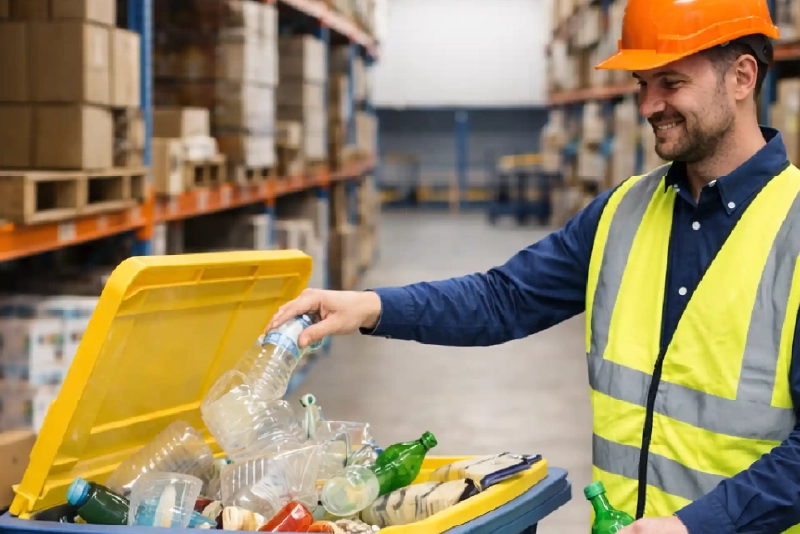
Worker sorting plastic bottles into recycling bin for commingled recycling in commercial and industrial waste management environments
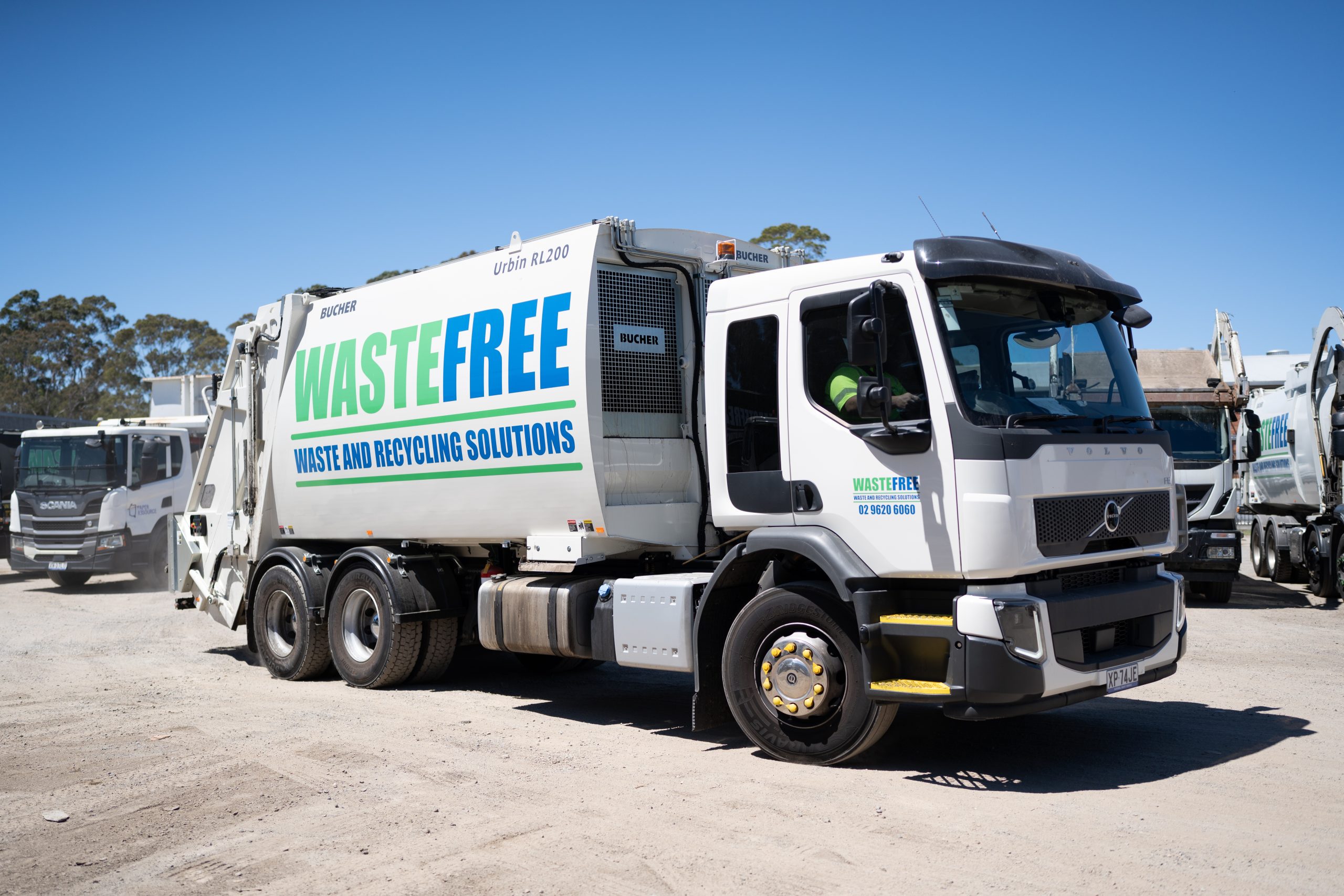
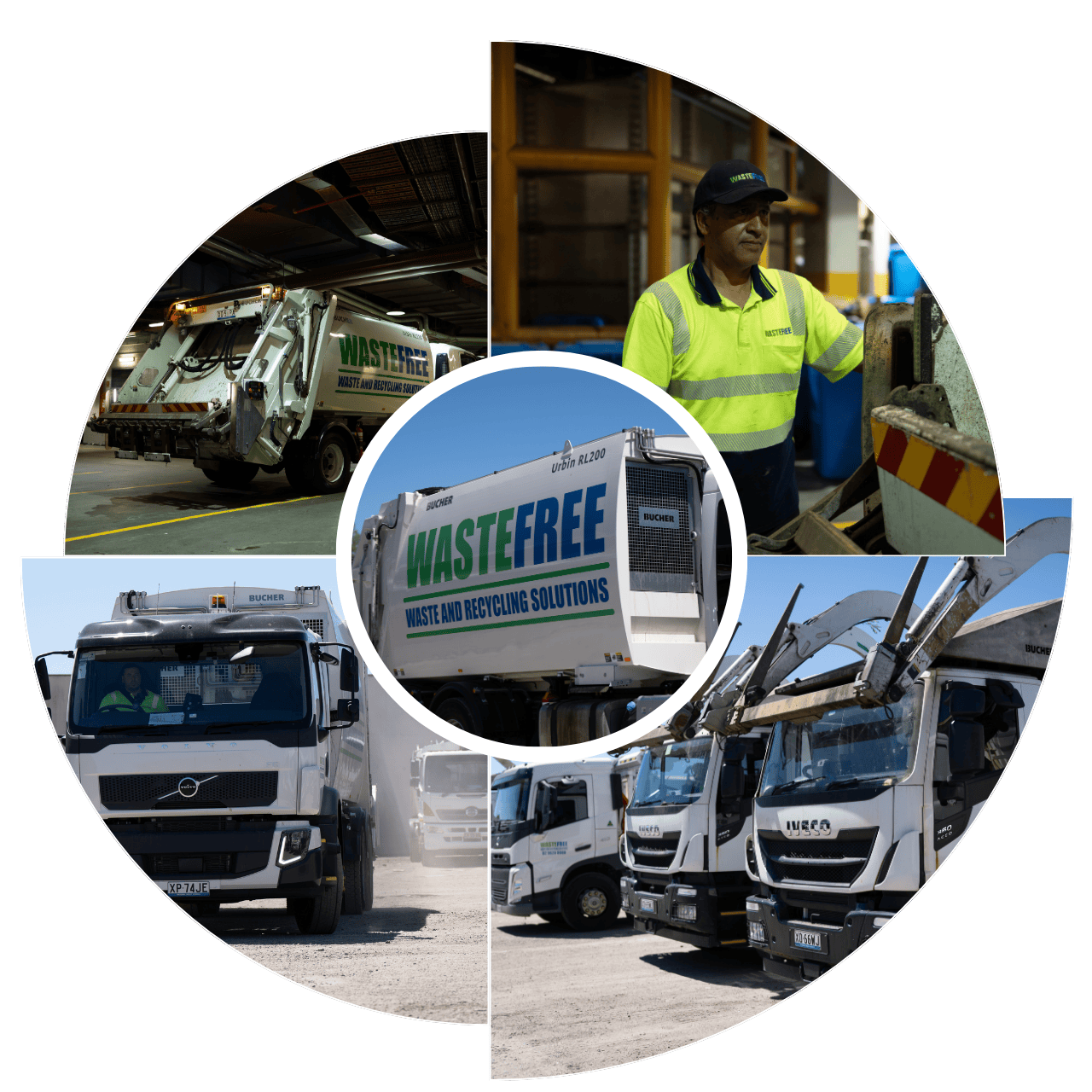
Wastefree rear-lift truck for commingled recycling services collection

Collection Framework and Service Coordination

Commingled recyclables are collected using rear-lift vehicles configured for mixed container recovery. Collection schedules are developed to prevent overflow, maintain safe storage areas and protect recyclable material quality. 

For organisations operating across multiple locations, coordinated recycling structures can standardise bin placement, streamline invoicing and improve reporting consistency across sites. 

Pricing Considerations for Commingled Recycling

Recycling service costs vary depending on site conditions and operational requirements. Key variables include: 

  • Bin size and quantity 
  • Collection frequency 
  • Volume of recyclable materials generated 
  • Access constraints 
  • Contamination rates 

Maintaining low contamination levels helps protect recovery performance and reduces the likelihood of additional processing costs.

Rear-Lift Bin Options for Mixed Recycling

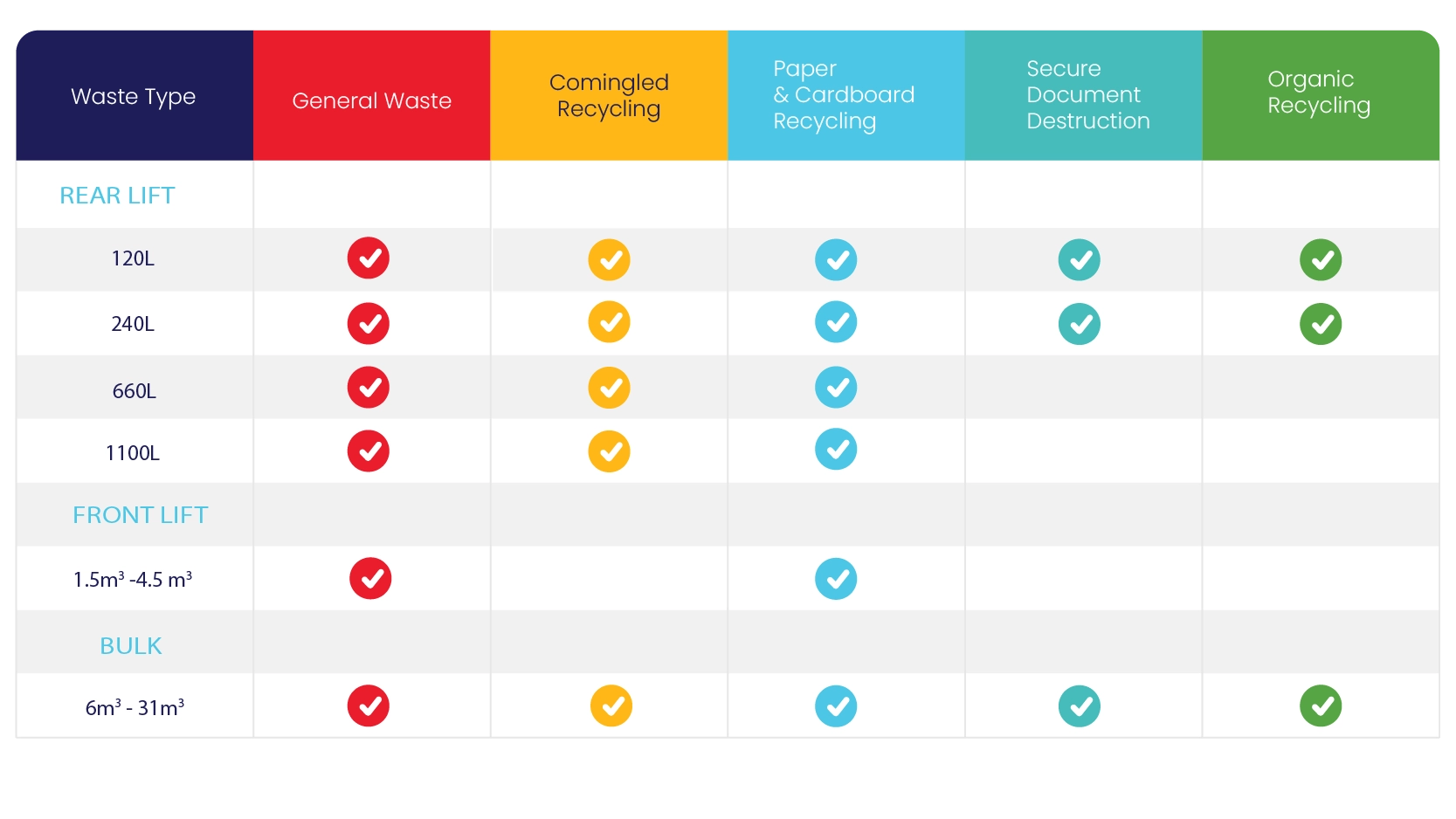
Commingled recycling is managed using rear-lift bin systems appropriate for container-based recyclables. 

Available sizes include: 

  • 120L rear-lift bins for smaller commercial sites 
  • 240L rear-lift bins for steady mixed recycling volumes 
  • 660L rear-lift bins for higher daily output 
  • 1100L rear-lift bins for large commercial and multi-tenant environments 

Bin selection is determined by waste volume, site layout and service frequency requirements. 

Wastefree commingled recycling bin with mixed recyclable materials for commercial waste management services

Commingled Recycling

Waste collection bin sizes for different waste types
General waste bin icon for commercial and industrial waste management and disposal services

General Waste

Waste collection bin sizes for different waste types
Paper recycling bin icon for commercial paper and cardboard recycling

Paper Recycling

Waste collection bin sizes for different waste types
Wastefree secure document destruction bin for confidential paper shredding and compliance management

Secure Document Destruction

Waste collection bin sizes for different waste types
Wastefree organic recycling bin for commercial food and organics waste

Organic Recycling

Waste collection bin sizes for different waste types
Waste-Free managing general waste disposal in NSW through licensed facilities, ensuring EPA compliance and responsible environmental handling.

Responsible Processing and Regulatory Standards

Collected commingled materials are transported to licensed material recovery facilities (MRFs) operating under EPA guidelines. At these facilities, recyclable materials are separated into individual streams before being prepared for reprocessing. 

Handling procedures during collection and transport are structured to preserve material integrity and support consistent recycling performance. 

Reviewing Your Commingled Recycling System

Operational changes, tenant turnover or seasonal increases in container waste may require adjustments to bin sizing or collection frequency. Periodic reviews help maintain recovery efficiency and prevent contamination issues from escalating. 

Businesses throughout NSW seeking to improve their commingled recycling performance can benefit from a structured assessment of their current system. 

Frequently Asked Questions

Commingled recycling allows several approved recyclable materials to be collected together in one designated recycling stream rather than separated into individual bins. 

For commercial and industrial sites, this can simplify day-to-day recycling while allowing plastics, aluminium, steel cans, glass and suitable beverage cartons to be sorted into separate material streams after collection.

Approved commingled recycling can include suitable plastics, aluminium, steel cans, glass and beverage cartons. 

Materials should be placed in the correct recycling stream and kept free from significant food, liquid and other contamination. The exact recycling setup should reflect the materials generated by the site.

Commingled recycling is useful when a business regularly generates mixed recyclable containers in areas such as kitchens, staff rooms, customer areas or shared facilities. 

Materials generated in larger dedicated volumes may be better suited to their own recycling stream. For example, a business producing substantial amounts of paper and cardboard may benefit from keeping those materials separate from its mixed container recycling.

Bin size should reflect the volume of mixed recyclables generated, available storage space, site layout and collection frequency. 

Wastefree provides 120L, 240L, 660L and 1100L rear-lift options for commingled recycling. Smaller sites may only require a compact bin, while larger commercial or multi-tenant environments may need greater capacity.

Collections should be frequent enough to prevent overflow, maintain safe storage areas and protect the quality of the recyclable material. 

The appropriate frequency depends on how quickly recyclables accumulate, bin capacity and operational peaks. Hospitality, retail and other high-traffic sites may require a different collection schedule from lower-volume commercial premises.

Contamination occurs when food residue, liquids or non-approved materials enter the recycling stream. 

High contamination can reduce material quality, make sorting less efficient and increase the likelihood that recyclable material cannot be recovered as intended. Clear bin placement, accepted-material guidance and regular monitoring can help reduce these problems.

Yes. Contamination can affect recycling costs because heavily contaminated material may require additional handling or processing. 

Wastefree identifies contamination rates as one of the factors that can influence commingled recycling pricing, alongside bin size, collection frequency, recyclable volume and site access. Keeping the recycling stream clean can therefore support both recovery performance and service efficiency.

Bins should be positioned close to areas where approved recyclable containers are regularly generated while remaining accessible for collection. 

Depending on the business, this may include staff areas, kitchens, customer areas, offices or shared waste zones. Good placement makes correct separation easier and can help reduce recyclable containers being placed in general waste.

Yes. Wastefree provides coordinated recycling structures for organisations operating across multiple locations. 

A coordinated approach can help standardise bin placement, streamline invoicing and improve consistency in recycling arrangements and reporting while still allowing servicing requirements to reflect individual site conditions.

Collected commingled recyclables are transported to licensed material recovery facilities, where the mixed materials are separated into individual recycling streams. 

The recovered materials are then prepared for further reprocessing. Correct separation and low contamination at the business site help preserve material quality before and during this process.

A commingled recycling setup should be reviewed when recyclable volumes, tenant activity, seasonal demand or site operations change. 

Regular overflow, unused bin capacity or increasing contamination can indicate that bin size, placement, collection frequency or staff guidance needs to be adjusted. Periodic reviews help keep the service aligned with actual site conditions.

TOP