

Copyright © 2026 Wastefree Pty Ltd. All rights reserved.

Commercial recycling is the separation and collection of recoverable materials generated by businesses so they can be processed for recycling rather than disposed of as general waste.
A commercial recycling system may use several separate waste streams depending on the materials generated, helping businesses recover more material and reduce the amount of recyclable waste sent to landfill.
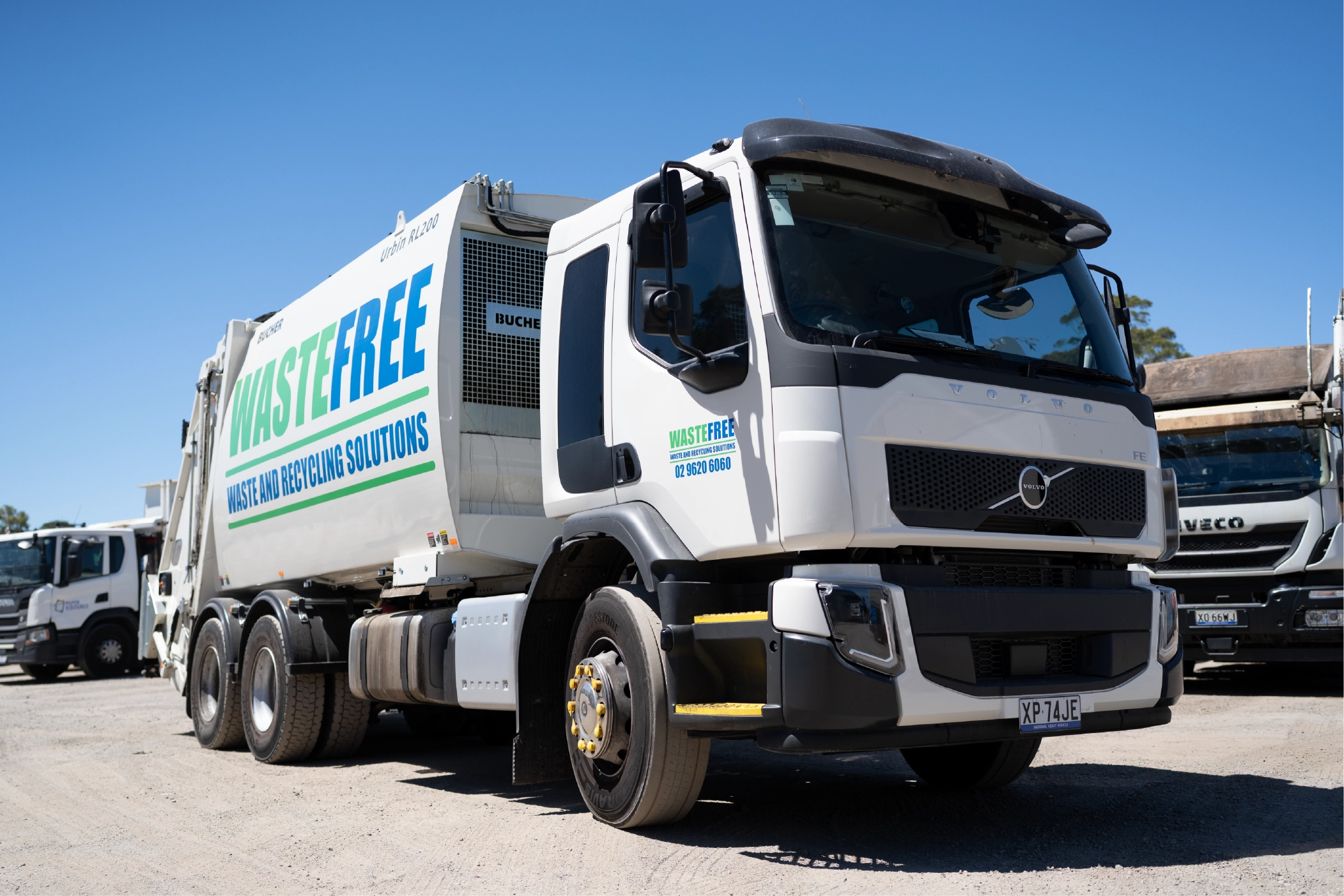
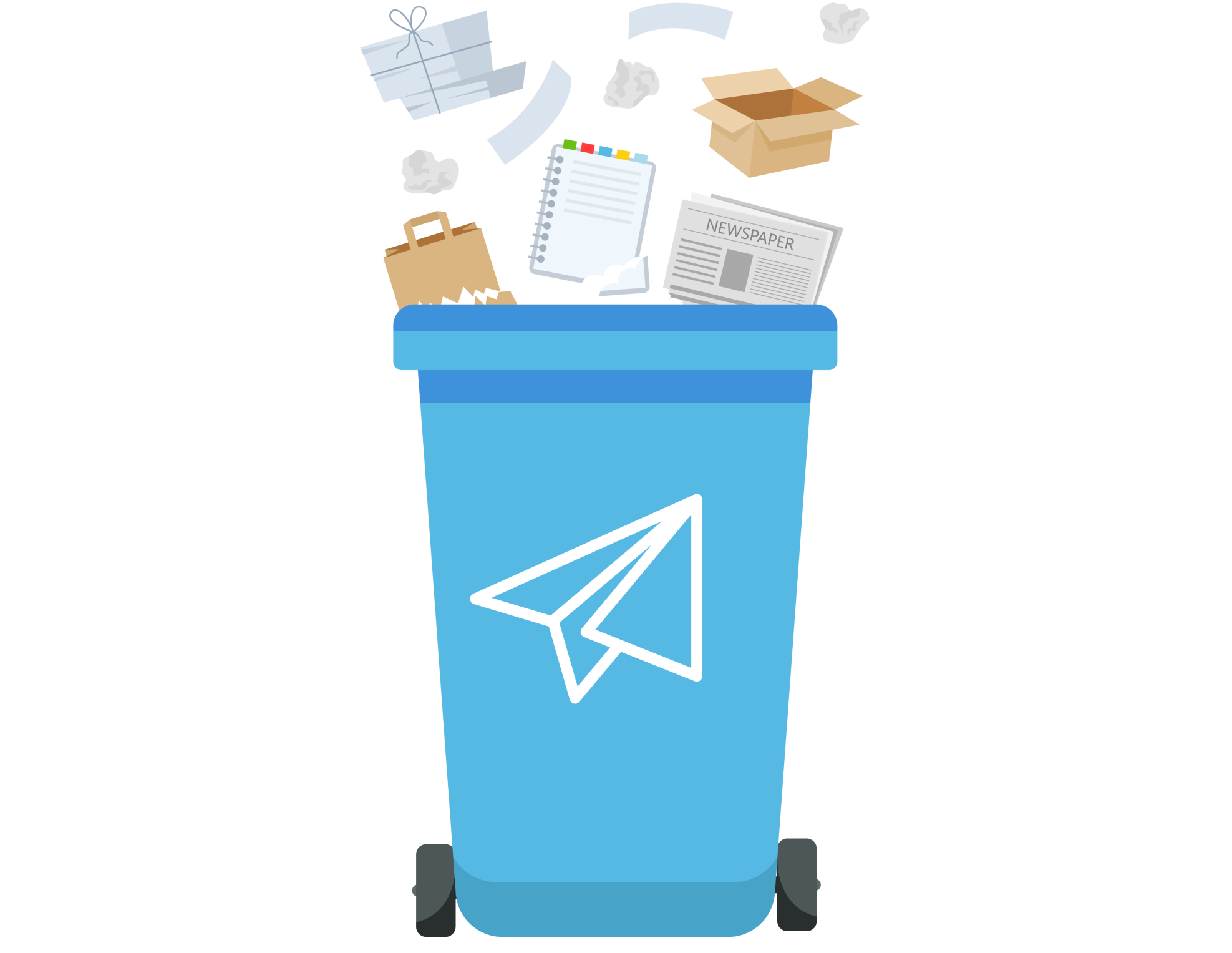
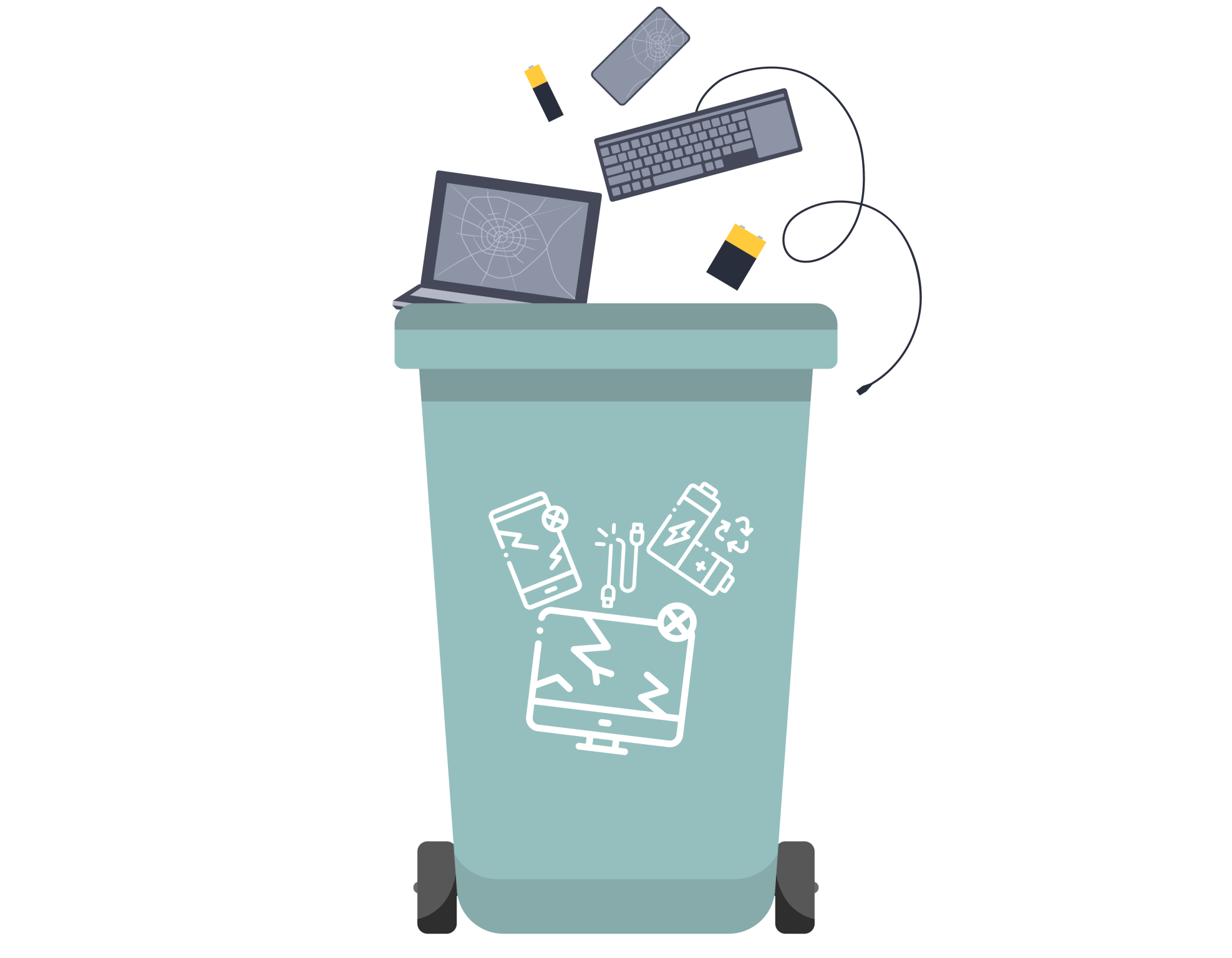
Wastefree provides Paper & Cardboard Recycling, Commingled Recycling and E-Waste Recycling services for businesses across Sydney and New South Wales.
Each stream is managed separately so materials can be collected and processed through an appropriate recycling pathway while reducing cross-contamination between different waste types.
The right recycling streams depend on the types and volumes of recyclable materials your business generates, where those materials are produced, available bin space, site access and collection requirements.
Reviewing what is currently being placed into general waste is often a useful starting point. Wastefree can assess material types, waste volumes and site conditions to help structure recycling services around the way the business operates.
Recycling contamination occurs when unsuitable materials are placed into a recycling stream, reducing the quality and recoverability of the materials collected.
Businesses can reduce contamination by providing the right recycling streams, positioning bins where materials are generated, making separation requirements clear and regularly reviewing how bins are being used. Different recycling streams should also remain separated where required.
A commercial recycling system should be designed around the materials generated, waste volumes, peak periods, available space, site access, bin placement and required collection frequency.
The recycling setup should make correct separation practical for staff while providing enough capacity between collections. Wastefree structures recycling services around individual site conditions rather than applying the same configuration to every business.
Yes. Recycling requirements can change as a business grows, experiences seasonal peaks or changes the way it operates.
Collection requirements, bin capacity and the mix of recycling streams can be reviewed as waste volumes change so the recycling system continues to suit the site without unnecessary overflow or excess capacity.
Yes. Wastefree supports both single-site businesses and complex multi-location operations across Sydney and New South Wales.
Different sites may generate different volumes or materials, so individual locations can be structured around their own operational requirements while forming part of a broader coordinated recycling approach.
Recyclable materials collected by Wastefree are transported to licensed recycling facilities, where they are sorted, graded and prepared for reprocessing in accordance with applicable requirements.
Correct separation and contamination control before and during collection help maintain material quality and improve the potential for successful resource recovery.
Commercial recycling reduces general waste by separating recoverable materials before they enter the residual waste stream.
Businesses can start by identifying recyclable materials currently being discarded as general waste and introducing appropriate recycling streams for those materials. Better separation can reduce general waste volumes while improving resource recovery and recycling consistency.
Businesses in the City of Sydney are responsible for arranging their own commercial waste and recycling collection services rather than relying on residential council collections.
The appropriate service arrangement depends on the waste and recyclable materials generated, the site's location and access, available storage space and how frequently materials need to be collected.
Yes. A structured recycling system can help businesses improve material separation, reduce general waste volumes and demonstrate progress toward waste reduction and resource recovery objectives.
The Wastefree recycling service is designed to support sustainability reporting and environmental targets, although the specific recycling data or reporting available will depend on the service arrangement.