
Copyright © 2026 Wastefree Pty Ltd. All rights reserved.
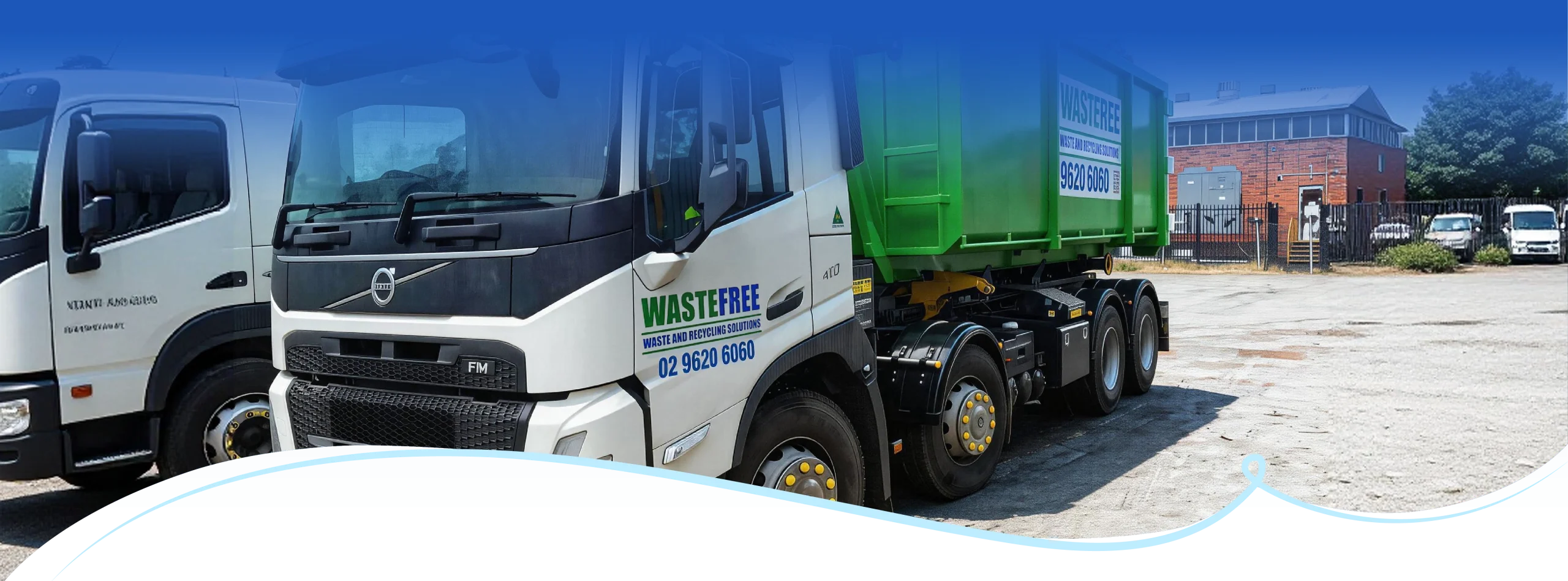
Wastefree hook lift truck transporting construction and demolition waste for commercial projects in NSW

Construction & Demolition Waste Services Sydney

Construction and demolition waste in NSW is generated across residential developments, commercial builds, infrastructure upgrades and large-scale refurbishment projects. Materials such as concrete, timber,

Wastefree can support construction and demolition sites with practical waste services, including:

  • Construction and demolition waste collection
  • Bulk bin supply for building and demolition projects
  • Scheduled construction waste removal
  • Bin placement and collection planning around project stages
  • Separation of recyclable and non-recyclable construction materials
  • Bulk waste removal for site clearing and project clean-ups
  • Transport of construction waste to licensed facilities
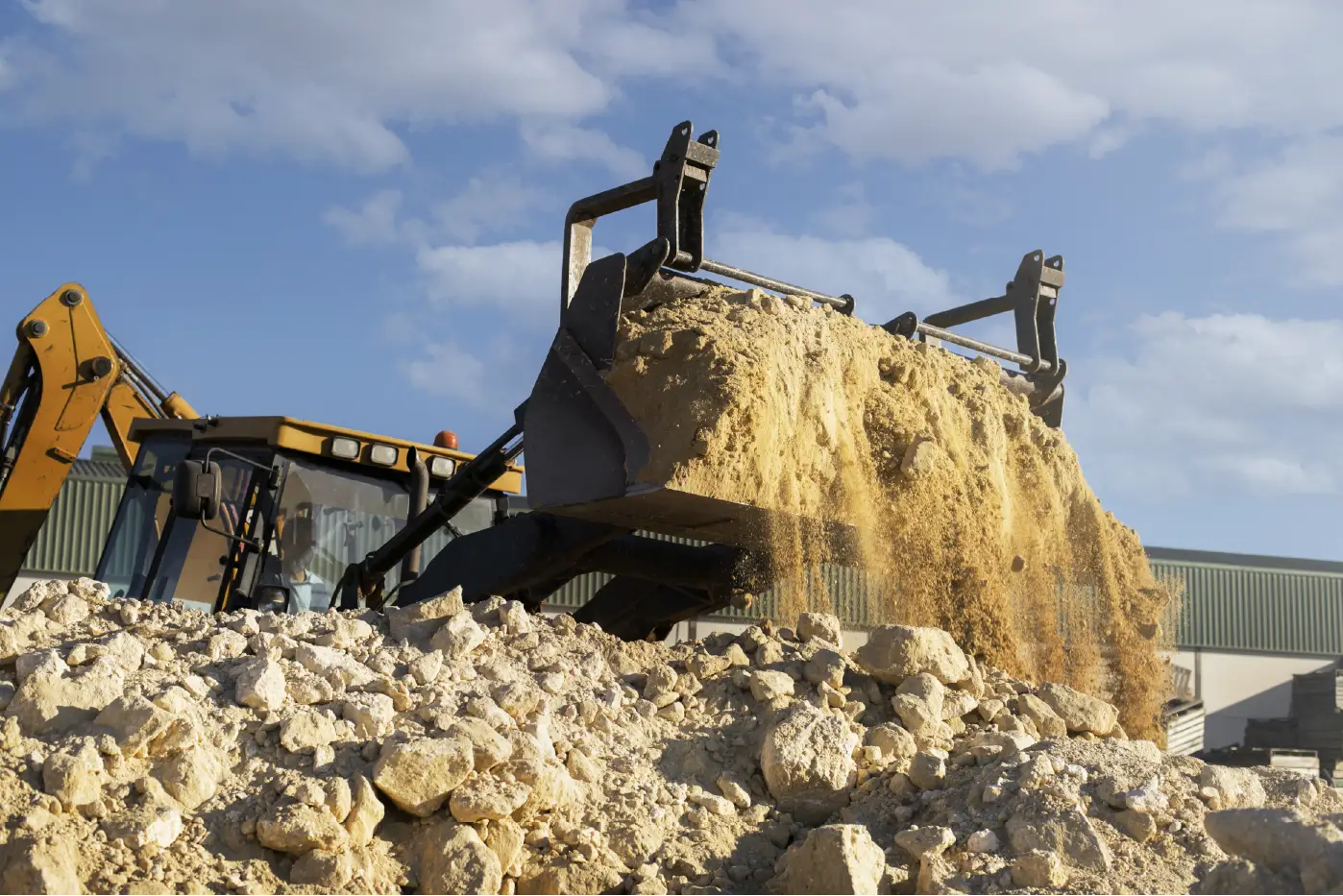
Construction and demolition waste materials including concrete, timber, plasterboard, metals and mixed building debris prepared for recycling and disposal.

What Is Considered Construction & Demolition Waste?

C&D waste may include: 

  • Concrete and masonry 
  • Timber and treated wood 
  • Plasterboard and insulation 
  • Metals and steel offcuts 
  • Packaging materials 
  • Mixed building debris 
  • Excavation and site-clearing waste 

Some materials can be recycled, while others must be disposed of in accordance with environmental regulations. Proper segregation improves recycling outcomes and reduces landfill costs.

How Construction Waste Management Works?

Construction waste removal requires coordination between site supervisors, contractors and waste service providers. Unlike standard commercial waste, building site waste volumes fluctuate depending on project stage.

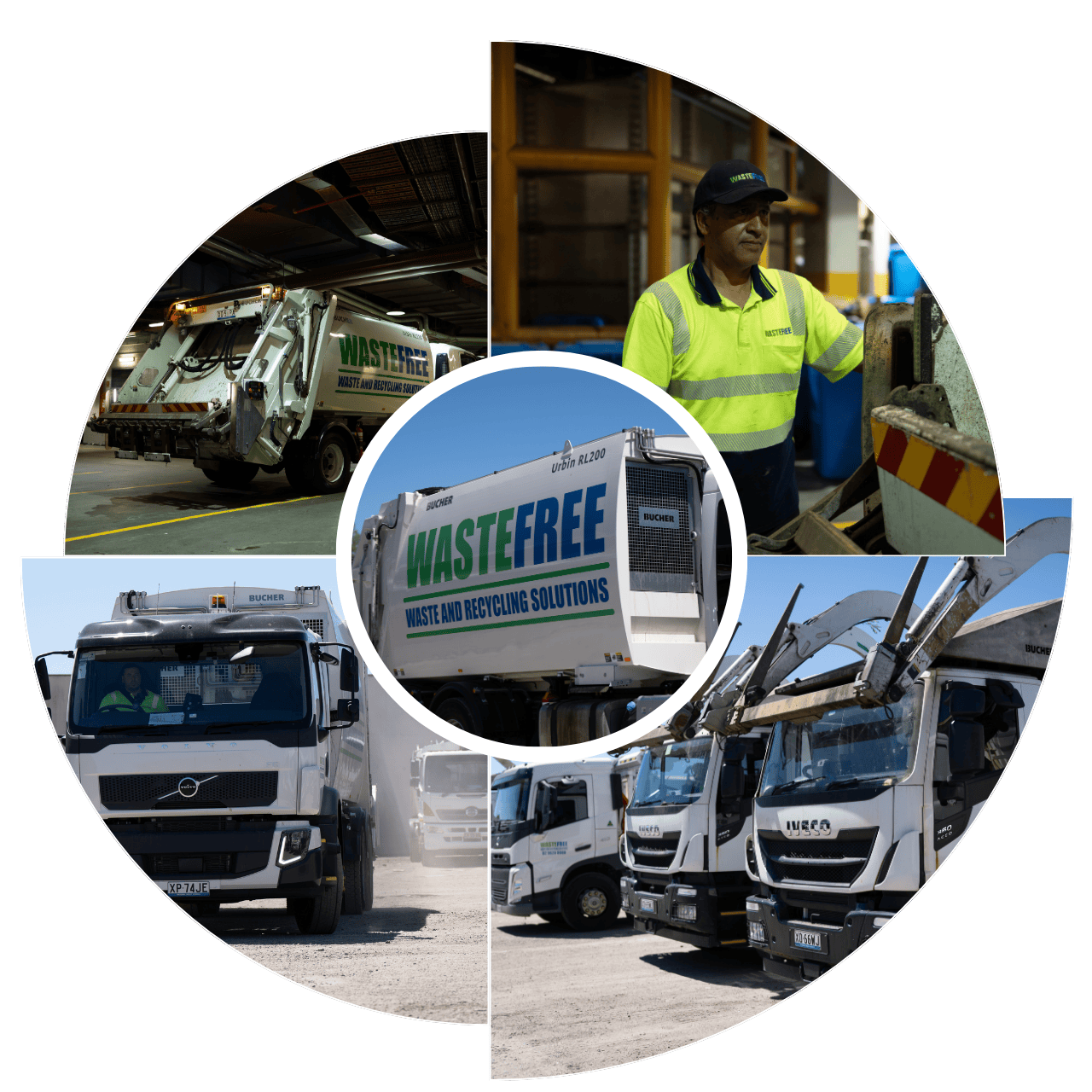
Construction waste collection vehicle supporting builders and contractors on active job sites NSW

An effective C&D waste system involves:

  • Identifying waste streams during project planning
  • Monitoring contamination to avoid rejected loads
  • Allocating separate containers for recyclable and general construction waste
  • Ensuring safe access for hook-lift or front-lift vehicles
  • Scheduling collections to prevent overflow

Timely removal is essential to maintain site safety and prevent obstruction of access points. 

Construction & Demolition Bin Sizes

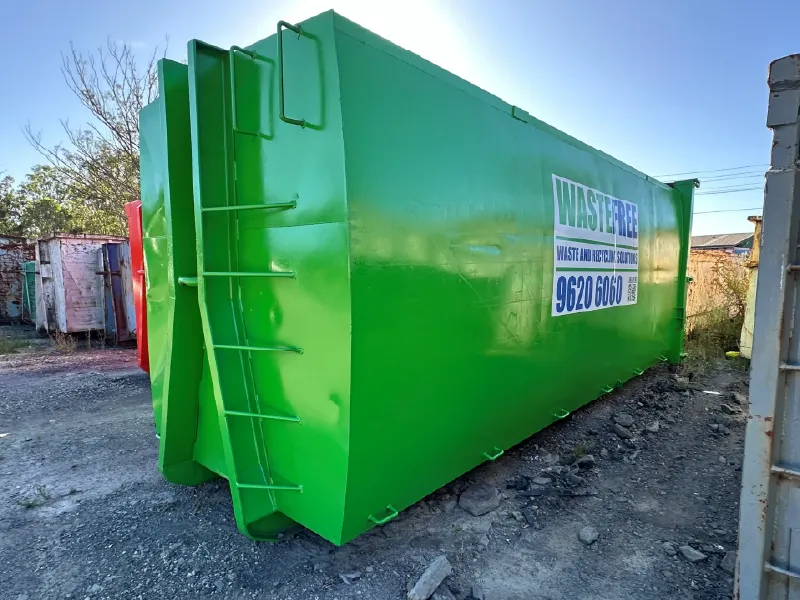
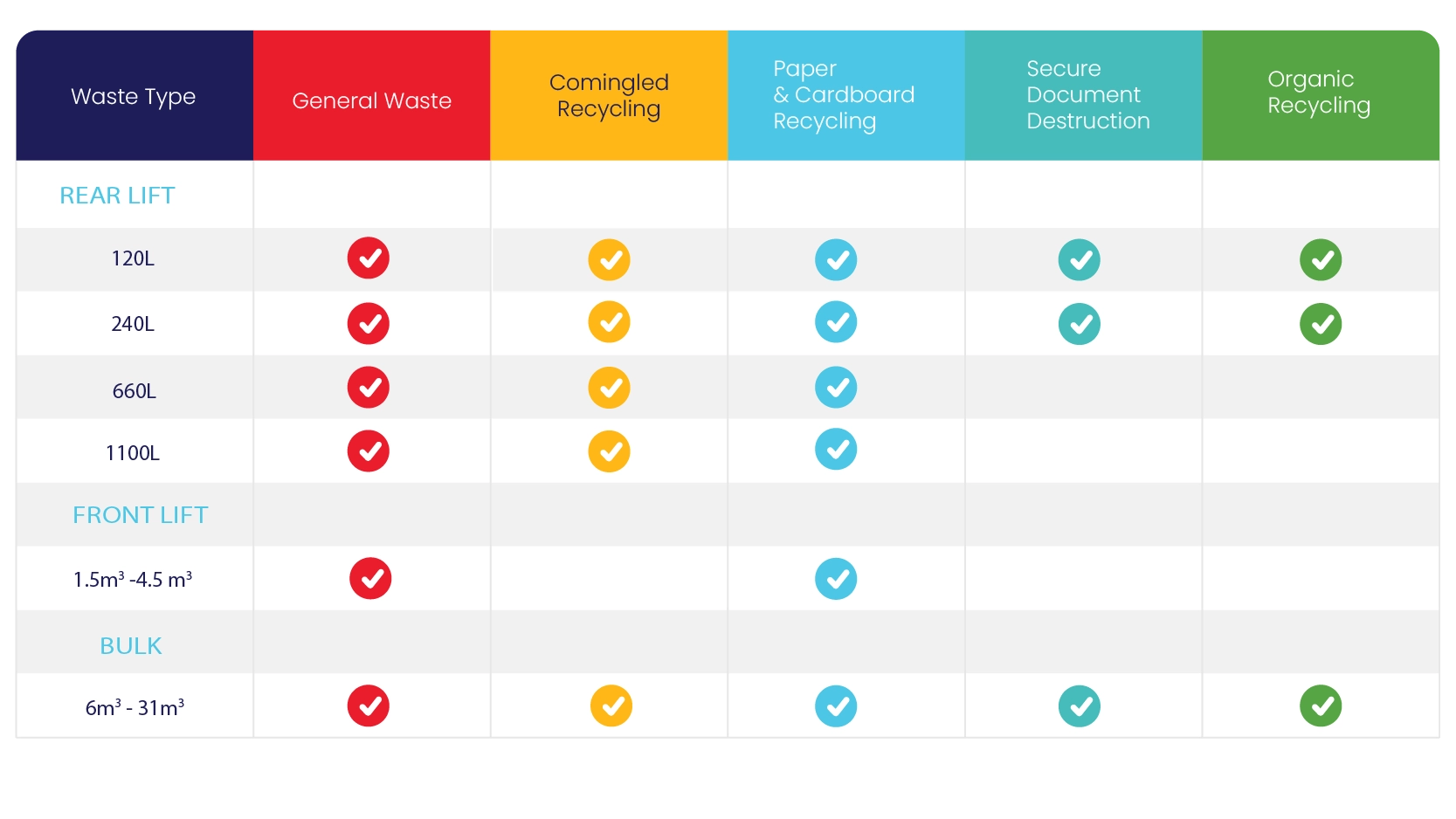
Wastefree supplies bulk hook-lift bins suited to construction waste and demolition debris across a range of project sizes. Bin selection is based on the type of material being generated, expected volume and how frequently bins need to be rotated to keep the site moving. 

Typical C&D bin options include: 

  • 6m³ bulk hook-lift bins
    A practical option for smaller works and low to moderate construction waste volumes, including fit-outs, minor renovations and short-duration projects. 
  • 9m³ to 15m³ bulk hook-lift bins
    Commonly used for mixed demolition debris and general building waste where volumes increase quickly across active project stages. 
  • 20m³ to 31m³ bulk hook-lift bins
    Designed for large, ongoing or high-volume projects where consistent waste generation requires higher capacity and regular bin changeovers. 

Where sites generate both recyclable and non-recyclable streams, multiple bins can be allocated to support cleaner separation and reduce contamination risk. 

General waste bin icon for commercial and industrial waste management and disposal services

General Waste

Waste collection bin sizes for different waste types
Wastefree commingled recycling bin with mixed recyclable materials for commercial waste management services

Commingled Recycling

Waste collection bin sizes for different waste types
Paper recycling bin icon for commercial paper and cardboard recycling

Paper Recycling

Waste collection bin sizes for different waste types
Wastefree secure document destruction bin for confidential paper shredding and compliance management

Secure Document Destruction

Waste collection bin sizes for different waste types
Wastefree organic recycling bin for commercial food and organics waste

Organic Recycling

Waste collection bin sizes for different waste types

Managing Waste Across Different Project Phases

Construction waste generation changes throughout the project lifecycle:

Planning bin placement and collection schedules around these phases helps prevent unnecessary delays and site congestion.

Early stage:

excavation and site clearing

Mid-stage:

packaging, timber offcuts and plasterboard

Late stage:

mixed debris and clean-up materials

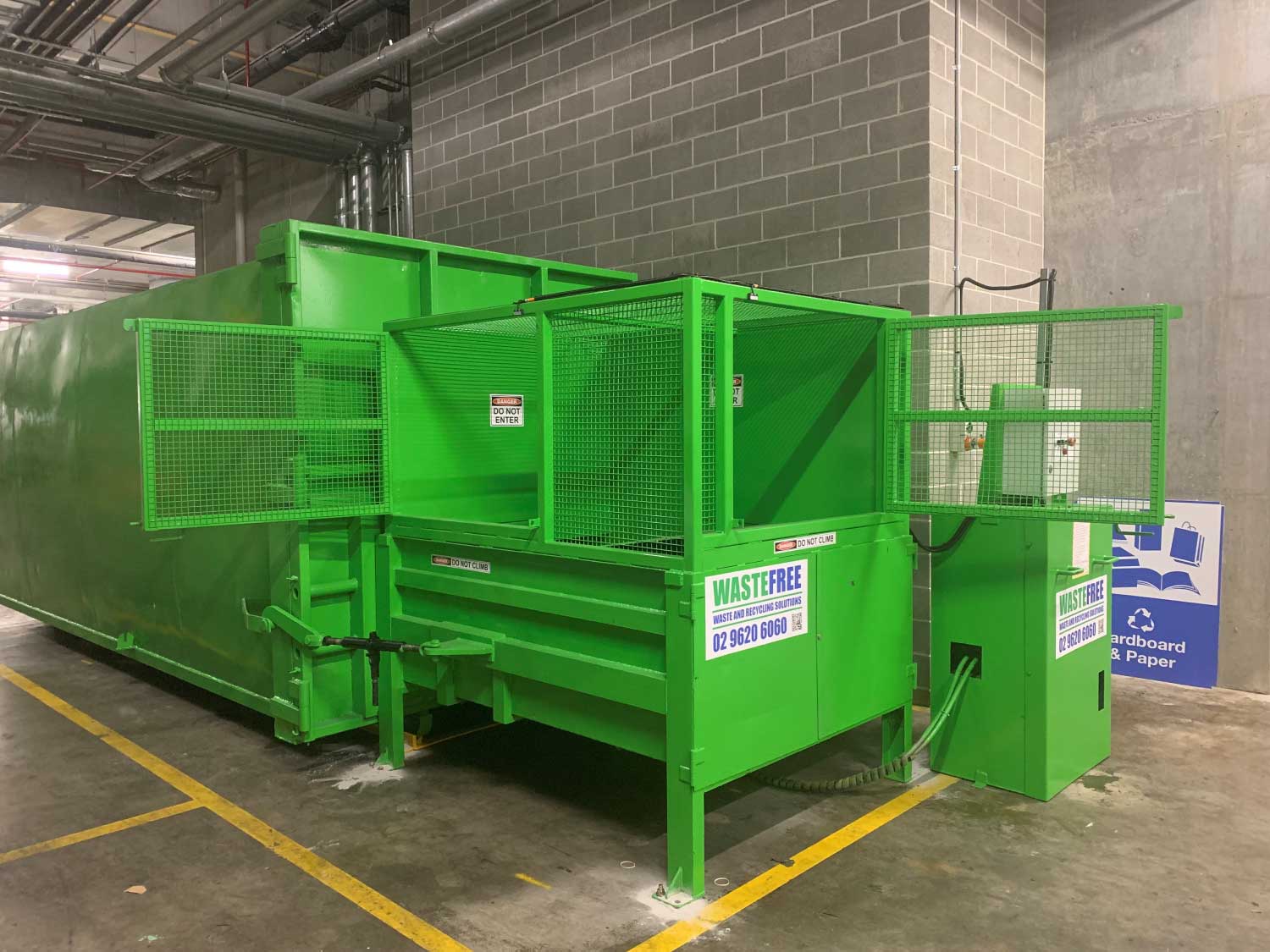
Construction and demolition waste bin system for sorting and handling bulk materials on commercial sites NSW

Construction & Demolition Waste Pricing

Construction waste removal cost varies based on project scope and operational conditions. Businesses researching construction waste disposal pricing or demolition bin hire cost in Sydney should consider: 

  • Bin size and number of containers required 
  • Type of construction materials being disposed of 
  • Collection frequency and project duration 
  • Access constraints and site conditions 
  • Contamination levels within mixed loads 

Large-scale demolition projects typically require higher-capacity hook-lift bins and frequent servicing, while smaller renovations may operate with fewer rotations. 

A project-based assessment enables pricing to be structured according to expected waste volumes and site logistics.

Recycling and Resource Recovery in Construction

C&D waste streams often contain materials suitable for recovery, including metal, concrete and clean timber. Segregating recyclable materials reduces landfill disposal and may lower overall project waste costs. 

Maintaining clean loads is critical. Contaminated materials may be redirected to landfill, increasing disposal charges and impacting project budgets. 


Compliance and Environmental Responsibilities

Construction and demolition waste must be managed in accordance with EPA guidelines and local council regulations. Incorrect disposal or contamination can result in fines, rejected loads or project delays. 

Wastefree ensures collected C&D waste is delivered to licensed facilities approved to receive and process construction materials. Proper documentation and handling procedures help maintain regulatory compliance throughout the project. 

Waste-Free managing general waste disposal in NSW through licensed facilities, ensuring EPA compliance and responsible environmental handling.

Risks of Poor Construction Waste Management

If C&D waste is not controlled effectively, projects may encounter: 

  • Site congestion and restricted access 
  • Safety hazards from debris accumulation 
  • Increased landfill charges due to contamination 
  • Delays caused by overflowing bins 
  • Non-compliance with environmental requirements 

Implementing a structured waste removal plan reduces these risks and supports smoother project progression.

Reviewing Your Construction Waste Requirements

As project scope evolves, waste volumes can increase rapidly. Reviewing bin capacity, separation practices and collection timing ensures construction waste management remains aligned with site demands. 

For builders and contractors operating in NSW, structured construction and demolition waste services provide a compliant, scalable and operationally efficient solution. 

Frequently Asked Questions

Construction and demolition waste is material generated during building, renovation, fit-out, excavation, refurbishment and demolition work. 

Common examples include concrete, masonry, timber, plasterboard, metals, packaging, mixed building debris and other materials produced during construction activities.

Standard construction and demolition waste bins can be used for approved building materials such as concrete, masonry, timber, plasterboard, metals, packaging and mixed building debris. 

The appropriate collection setup depends on the type, weight and volume of material being generated, because some waste streams may require separate handling or recovery pathways. 

Hazardous, regulated or specialist materials should not be placed in a standard construction and demolition waste bin unless the service is specifically designed for them. 

Materials such as asbestos, chemicals, batteries and contaminated waste may require separate classification, containment, transport and disposal arrangements.

Where practical, separating recoverable materials such as concrete, metal and clean timber can improve recycling and resource-recovery outcomes. 

Source separation can also reduce contamination and make it easier to direct suitable materials into the correct recycling or processing pathway.

The right bin size depends on the type and volume of waste, project stage, available space, site access and how often bins need to be changed over. 

Wastefree can structure bulk collection arrangements around expected waste volumes and the way the construction site operates. 

Construction waste should be removed often enough to prevent overflow, blocked access and disruption to normal site operations. 

Collection frequency may need to change throughout a project because waste volumes and material types can vary between excavation, structural works, fit-out and final clean-up stages.

Waste arrangements should be reviewed as the project progresses because the types and volumes of waste generated can change significantly. 

Early works may produce excavation and clearing material, while later stages may generate more timber, packaging, plasterboard and mixed building debris. Adjusting container capacity and collection timing helps keep the waste system aligned with the project.

Collected construction and demolition waste is transported to licensed facilities approved to receive and process the material. 

Suitable materials such as concrete, metals and clean timber may be separated for recycling or further resource recovery, while residual or non-recoverable material follows an appropriate disposal pathway.

Contamination can reduce recycling opportunities and may increase handling or disposal costs because mixed or unsuitable materials can require additional sorting or a different disposal pathway. 

Keeping recyclable construction materials separated from general or regulated waste helps improve load quality and recovery outcomes.

There is no single standard price because construction waste removal depends on the requirements of the project. 

Cost can be influenced by bin size, number of containers, material type and weight, collection frequency, project duration, site access and contamination levels.

Builders can reduce landfill disposal by identifying reusable and recyclable materials during project planning and separating them before collection. 

Concrete, metals and suitable timber can often be directed into recovery pathways when they are kept sufficiently clean and separated from general building waste. Regularly reviewing waste streams as the project progresses can also improve resource recovery.

TOP