
Copyright © 2026 Wastefree Pty Ltd. All rights reserved.
Waste collection truck supporting organics and food waste recycling services for commercial waste management in Sydney

Organics Recycling Services Sydney

Food waste recycling in NSW plays a critical role in reducing landfill volumes and diverting organic material into beneficial reuse pathways. Across hospitality, food manufacturing, retail and healthcare environments, organic waste is generated daily and requires structured handling to maintain hygiene and compliance. 

Wastefree delivers food waste recycling services throughout New South Wales and greater Sydney, providing businesses with controlled collection systems that manage organic waste efficiently, reduce landfill disposal and support environmentally responsible processing. 

When food waste is placed in general waste streams, it increases landfill emissions, creates odour risks and raises overall disposal costs. A structured organics recycling system allows businesses to separate organic material at the source and redirect it to licensed processing facilities. 

Wastefree can structure organics recycling services around food waste volumes and site requirements, including: 

  • Commercial food waste collection  
  • Organics bin placement within preparation and kitchen areas  
  • Collection scheduling aligned with hygiene requirements  
  • Organics container planning based on daily waste volumes  
  • Source separation of food waste from packaging and general waste
  • Contamination control and staff guidance  
  • Transport of collected organics to licensed processing facilities  
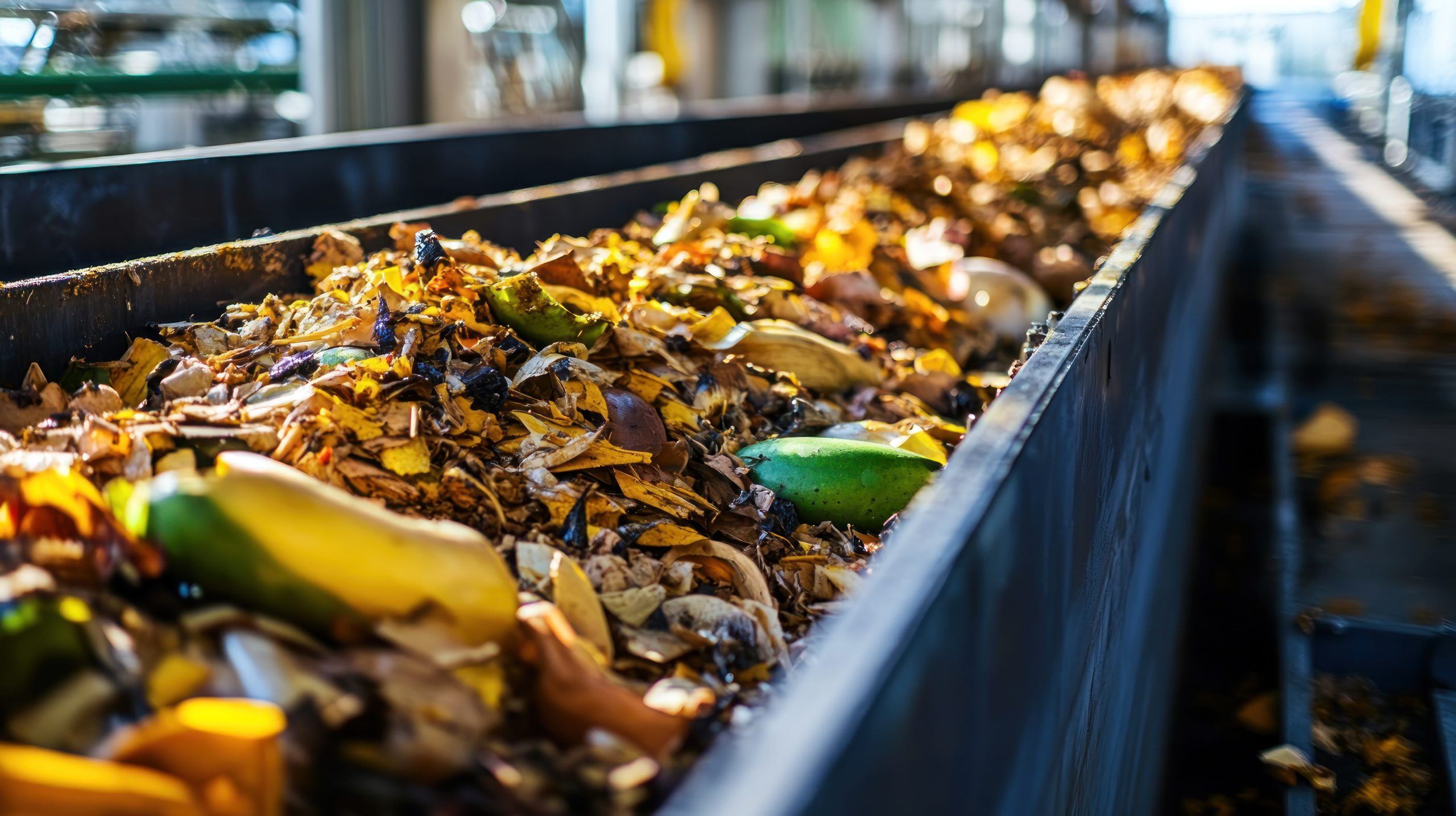
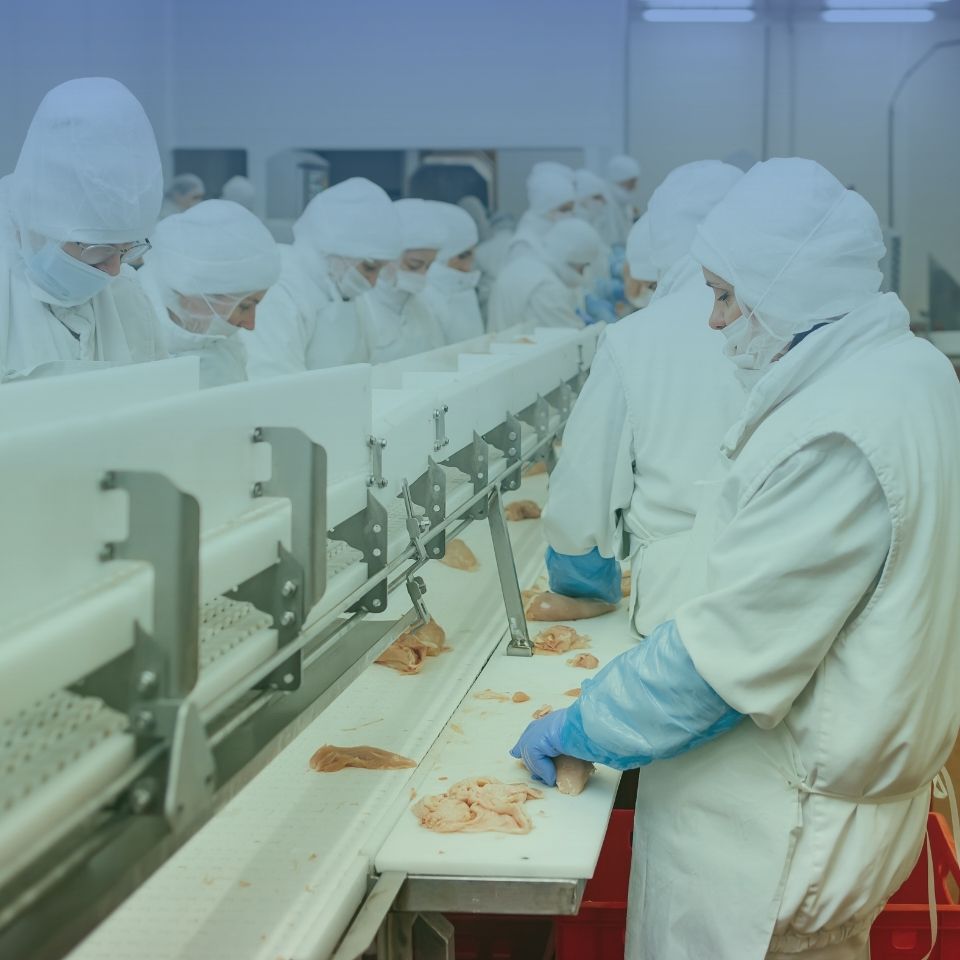
Food waste materials moving through an organics recycling processing line

What Is Included in Food Waste Recycling?

Food waste recycling typically includes: 

  • Food scraps and preparation waste 
  • Expired or unsold food products 
  • Commercial kitchen waste 
  • Plate scrapings (when separated correctly) 
  • Approved organic by-products from food production 

Packaging materials, plastics, metal and general waste must be removed prior to disposal to ensure the organic stream remains uncontaminated. 

Maintaining separation at the source is essential to protecting processing outcomes and preventing rejected loads.

How Does Commercial Food Waste Recycling Work?

Organics recycling requires a different structure from other waste streams due to hygiene and decomposition considerations. Food waste can generate odours and attract pests if not managed correctly.

Wastefree organics collection truck graphic supporting commercial food waste recycling

An effective commercial food waste recycling system considers:

  • Placement of organics bins within preparation and kitchen areas
  • Collection frequency matched to hygiene requirements
  • Bin sizes aligned with daily waste volumes
  • Clear separation of packaging from organic material
  • Sealed lids and appropriate containment
  • Staff training to minimise contamination

Collected food waste is transported to licensed facilities where it is processed through approved methods such as composting or anaerobic digestion. These processes convert organic material into compost, soil enhancers or renewable energy. 

What Is FOGO and What Does It Mean for NSW Businesses?

FOGO stands for Food Organics and Garden Organics. It is designed to keep organic material out of general waste so it can be collected separately and processed for beneficial reuse.

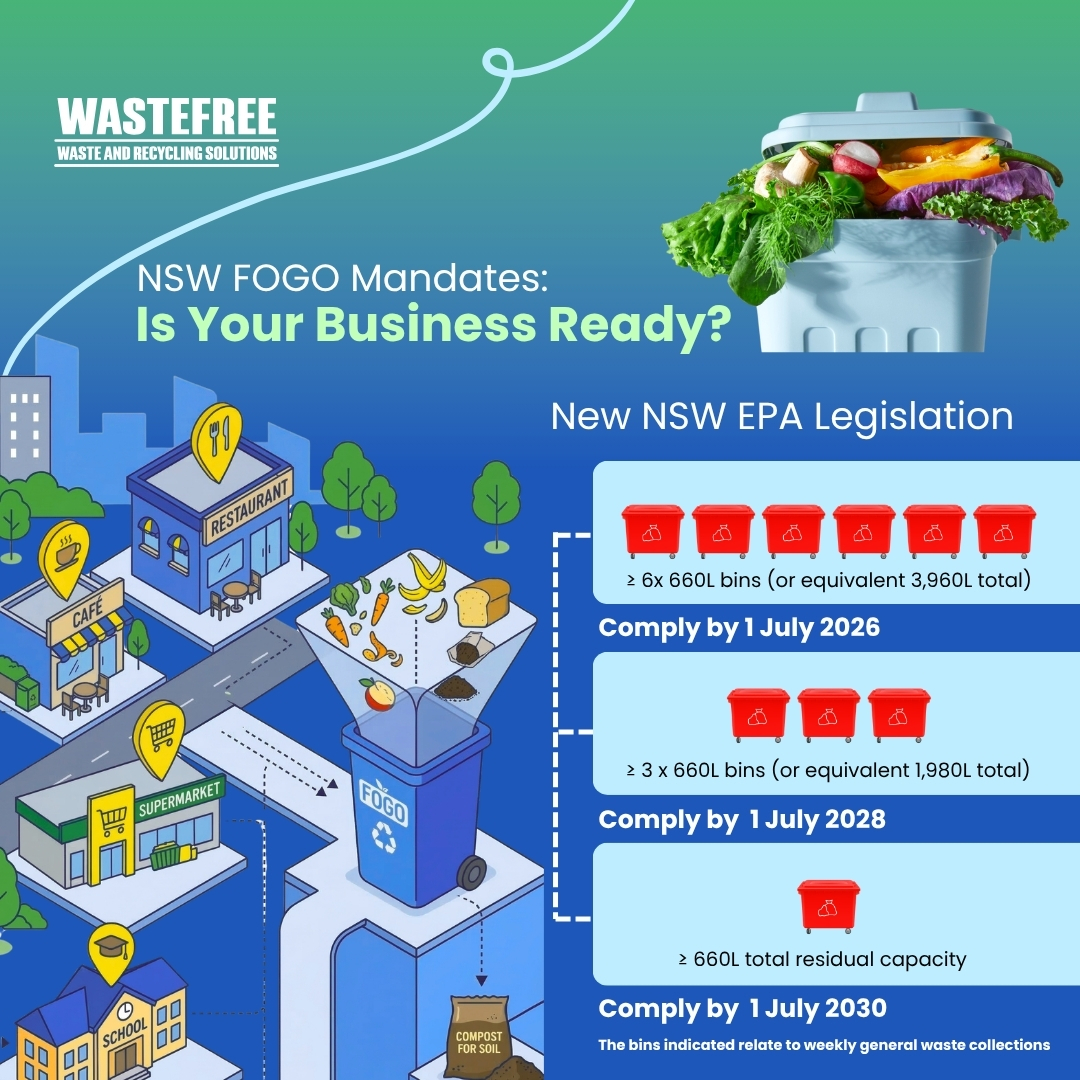
For NSW businesses, the current requirements focus on the separation of food organics at certain commercial and institutional premises. The requirements are being introduced in stages based on weekly residual or general waste capacity:

  • From 1 July 2026: sites with 3,960L or more of weekly residual waste capacity
  • From 1 July 2028: sites with 1,980L or more of weekly residual waste capacity
  • From 1 July 2030: sites with one or more 660L bins, three or more 240L bins, or other bin combinations totalling at least 720L per week

Wastefree can help businesses put practical food organics collection systems in place around waste volumes, bin space, collection frequency and contamination control.

Wastefree NSW FOGO mandates 2026 services for commercial food organics waste compliance and recycling

Food Waste Bin Sizes and Container Options

Wastefree supplies container options designed to manage commercial organics safely and efficiently. 

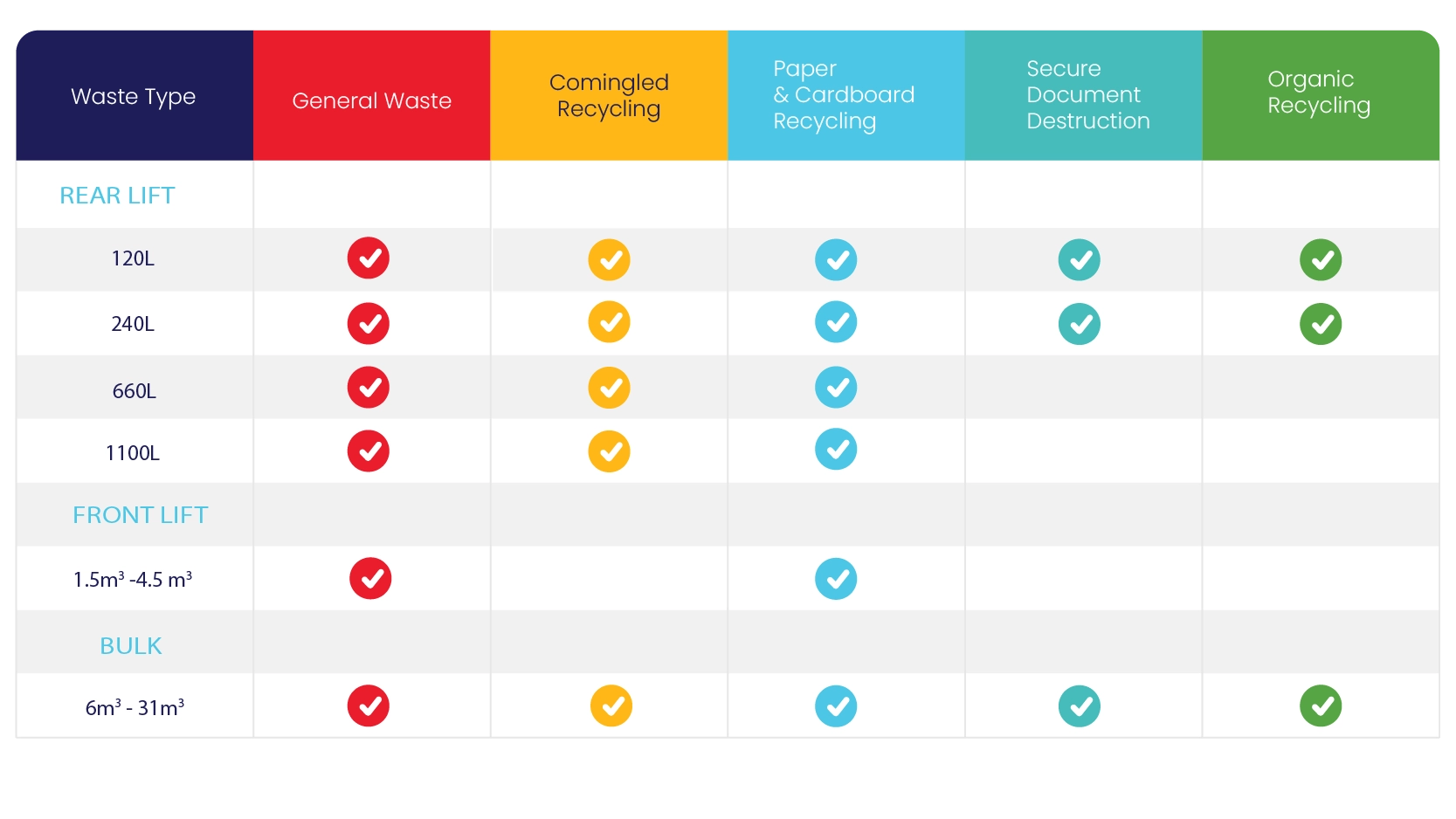
Available bin sizes include: 

  • 120L and 240L rear-lift bins for small cafés, offices and low-volume sites 
  • 660L and 1100L rear-lift bins for restaurants, supermarkets and mid-volume facilities 
  • 1.5m³, 3.0m³ and 4.5m³ front-lift bins for high-output hospitality and food production environments 
  • 6m³ to 30m³ hook-lift bins for bulk organic waste from food manufacturing or large-scale catering operations 

Container selection is based on waste output, kitchen workflow and collection frequency. Regular servicing prevents overflow and reduces hygiene risks. 

Wastefree organic recycling bin for commercial food and organics waste

Organic Recycling

Waste collection bin sizes for different waste types
General waste bin icon for commercial and industrial waste management and disposal services

General Waste

Waste collection bin sizes for different waste types
Wastefree commingled recycling bin with mixed recyclable materials for commercial waste management services

Commingled Recycling

Waste collection bin sizes for different waste types
Paper recycling bin icon for commercial paper and cardboard recycling

Paper Recycling

Waste collection bin sizes for different waste types
Wastefree secure document destruction bin for confidential paper shredding and compliance management

Secure Document Destruction

Waste collection bin sizes for different waste types

Industries Generating Commercial Food Waste

Food waste recycling services are commonly required across: 

Commercial café kitchen producing organic food waste for recycling services in hospitality sector

Restaurants, cafés and hospitality venues

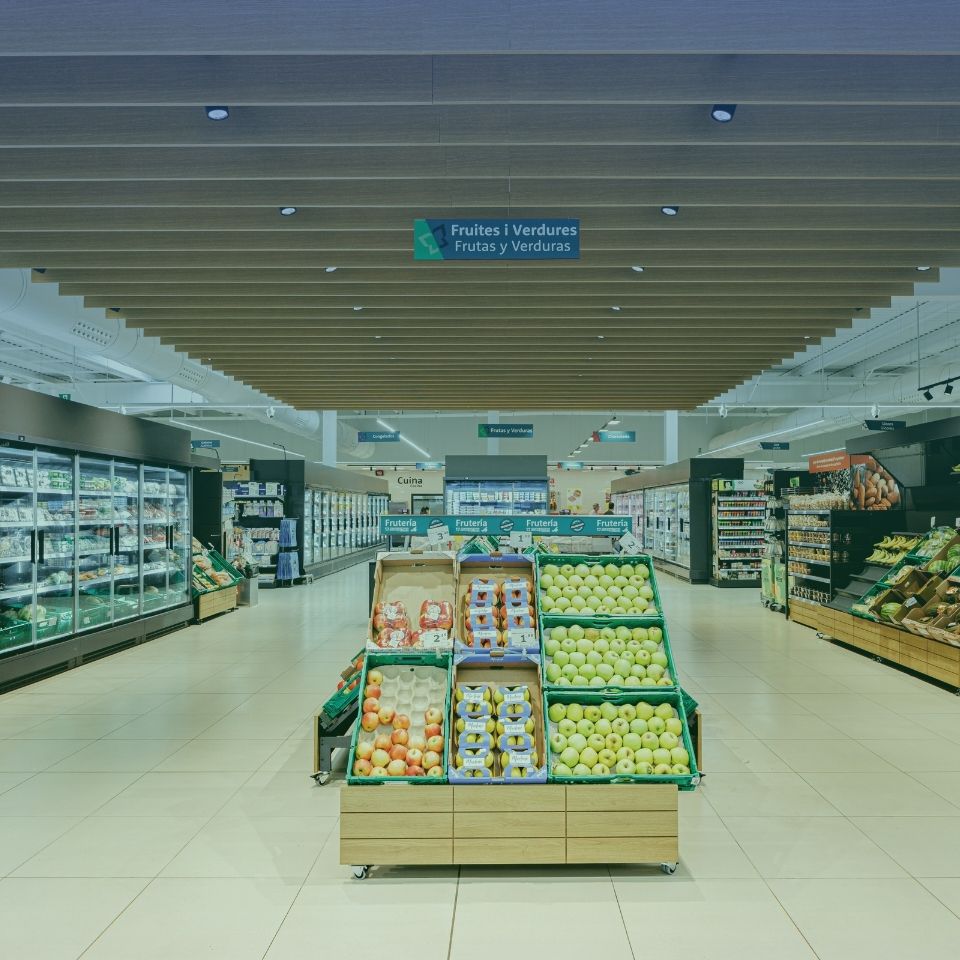
Supermarket fresh produce section generating organic waste for commercial food waste recycling programs

Supermarkets and fresh food retailers

Aged care facility managing structured food waste collection and recycling for healthcare compliance

Aged care and healthcare facilities

Educational campus environment supporting food waste recycling programs and scheduled waste collection

Educational campuses and institutions

Food processing facility generating high-volume organic waste for industrial recycling and compliance management

Food manufacturing and processing facilities

Event venue setup generating commercial food waste requiring scheduled recycling services for catering operations

Event venues and catering operations

Each site generates organics at different volumes and intervals. High-turnover kitchens may require frequent collection, while institutional facilities may operate on structured weekly schedules.

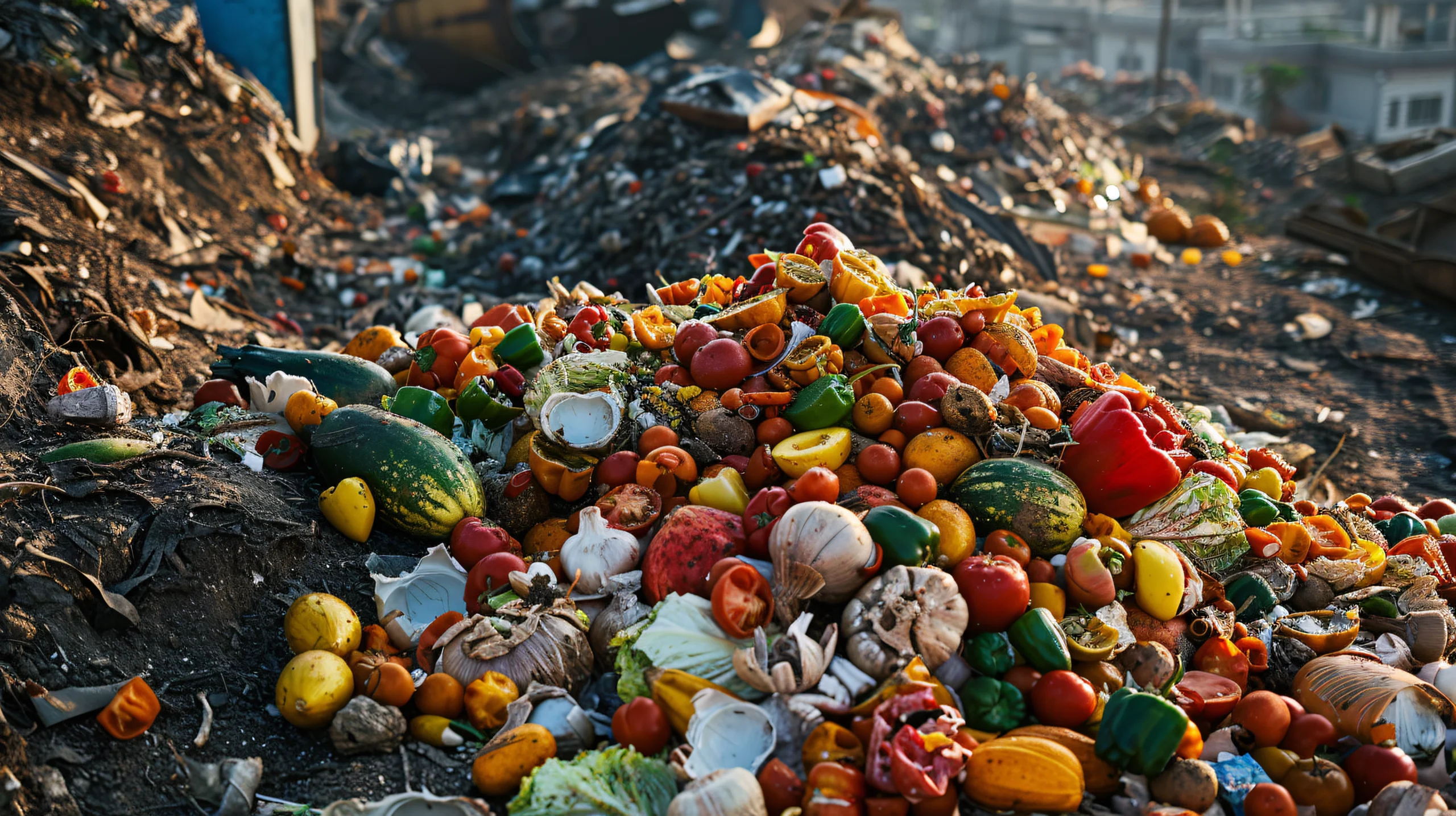
Discarded food waste showing the impact of poor food waste management

Risks of Poor Food Waste Management

Without a structured food waste recycling system, businesses may experience: 

  • Odour issues in waste storage areas 
  • Pest attraction 
  • Hygiene and compliance risks 
  • Increased landfill disposal charges 
  • Contamination of general waste or recycling streams 

Separating food waste at the source reduces these risks and improves overall site cleanliness.

Food Waste Recycling Pricing

Food waste recycling cost varies depending on operational requirements. Businesses researching food waste collection pricing, commercial organics recycling cost or hospitality waste disposal rates should consider: 

  • Volume and weight of organic waste generated 
  • Bin size and number of containers required 
  • Collection frequency 
  • Hygiene requirements 
  • Site access conditions 
  • Contamination levels 

Because organic waste decomposes quickly, collection frequency often plays a greater role in pricing compared to other recycling streams. 

High-volume kitchens may require multiple collections per week, while lower-output sites may operate on weekly servicing. 

An on-site assessment enables pricing to be structured according to waste output and operational needs. 

Waste-Free managing general waste disposal in NSW through licensed facilities, ensuring EPA compliance and responsible environmental handling.

Environmental and Regulatory Considerations

Diverting food waste from landfill reduces methane emissions and supports resource recovery objectives. Licensed processing facilities convert organic waste into beneficial products such as compost or renewable energy through anaerobic digestion. 

Maintaining clean separation and scheduled collection ensures compliance with environmental regulations and industry standards. 

Structured food waste recycling services support internal sustainability targets while reducing environmental impact.

Reviewing Your Food Waste Recycling Setup

Changes in menu offerings, seasonal demand or operational expansion can increase organic waste volumes. Reviewing bin placement, container size and collection frequency helps maintain hygiene and prevent overflow. 

For businesses operating in NSW, a structured food waste recycling system provides a compliant and efficient solution for managing organic waste while reducing landfill reliance. 

Frequently Asked Questions

Commercial food waste recycling is the separate collection of organic food material generated by businesses so it can be processed through an organics recovery pathway instead of being disposed of as general waste. 

This can include food preparation waste, food scraps, expired or unsold food and other approved organic material generated by commercial kitchens, retailers and food production environments.

Suitable food waste can include food scraps, preparation waste, expired or unsold food products, commercial kitchen waste, plate scrapings and approved organic by-products from food production. 

Packaging, plastics, metal and general waste should be kept out of the organics stream to reduce contamination and protect processing outcomes.

Food organics and green waste are different organic waste streams that can have different collection and processing requirements. Food organics typically come from kitchens, food preparation, hospitality and food production, while green waste consists mainly of garden and landscaping material such as grass, leaves, branches and vegetation. 

Keeping these materials in the appropriate waste stream helps businesses manage contamination, collection frequency and processing requirements more effectively. Wastefree provides separate Organics Waste and Green Waste services so each stream can be managed according to the type of organic material being generated.

Certain NSW businesses and institutions are now required to separate food organics from general waste under the state's staged food-waste rules. 

From 1 July 2026, the requirements apply to larger relevant premises based on weekly general-waste capacity, with lower thresholds introduced in 2028 and 2030. Businesses that prepare, sell or handle food should check which stage applies to their site.

A commercial food waste system should be designed around where food waste is generated, how quickly it accumulates, hygiene requirements and how easily staff can separate it from packaging and general waste. 

Effective systems usually consider bin placement in preparation and kitchen areas, suitable containment, collection frequency, waste volumes and staff guidance to minimise contamination.

Food waste should be collected often enough to control odour, pests, hygiene risks and overflow. 

The appropriate schedule depends on how much food waste the site generates and how quickly it decomposes. High-volume kitchens may need several collections each week, while lower-output sites may operate on a weekly schedule.

The main controls are suitable containment, sealed lids, regular servicing and preventing food waste from remaining on site for too long. 

Placing organics bins close to food preparation areas and matching collection frequency to actual food-waste volumes can also improve hygiene and reduce the chance of odour or pest problems developing.

Contamination occurs when non-organic materials such as packaging, plastic, metal or general rubbish are mixed with food waste. 

Contaminated loads can be harder to process and may affect whether the collected material can be recovered as intended. Clear separation at the source and staff training are important for maintaining a cleaner organics stream.

There is no single standard price because food waste collection costs depend on the requirements of the site. 

Factors can include the volume and weight of organic waste, number and size of containers, collection frequency, hygiene requirements, access conditions and contamination levels. Because food waste decomposes quickly, servicing frequency can have a greater influence on cost than with some other recycling streams.

Collected food waste is transported to licensed processing facilities where it can be treated through approved organics-recovery methods such as composting or anaerobic digestion. 

These processes can convert organic material into useful outputs such as compost, soil-enhancing products or renewable energy.

A food waste recycling system should be reviewed when waste volumes, menu offerings, seasonal demand or business operations change. 

Overflowing bins, hygiene issues, contamination or unused capacity can indicate that bin placement, containment or collection frequency needs to be adjusted.

TOP