Copyright © 2026 Wastefree Pty Ltd. All rights reserved.
Wastefree hook lift bin system for bulk waste collection and containment on commercial sites NSW

Hard Rubbish & Skip Bin Services Sydney

Hard rubbish and bulky waste can be difficult to manage through standard commercial waste systems, particularly when sites generate large, heavy or irregular waste volumes.

Wastefree provides hard rubbish removal and skip bin services across Sydney and New South Wales for commercial, industrial, construction and facility-based sites. Bulk waste is managed using suitable skip or hook lift bins, with delivery and collection structured around site access, waste volumes and operational requirements.

These services support clean-outs, refurbishments, construction and demolition works, industrial operations and other projects where standard bins do not provide sufficient capacity.

Some of the hard rubbish and skip bin services we provide include:

  • Hard rubbish and bulky waste collection
  • Commercial and industrial bulk waste removal
  • Skip bin and bulk container supply
  • Bin delivery and site placement
  • On-demand bin collection
  • Scheduled bin rotations for active sites
  • Short-term bin hire for clean-outs and projects
  • Long-term bin placement for ongoing waste requirements
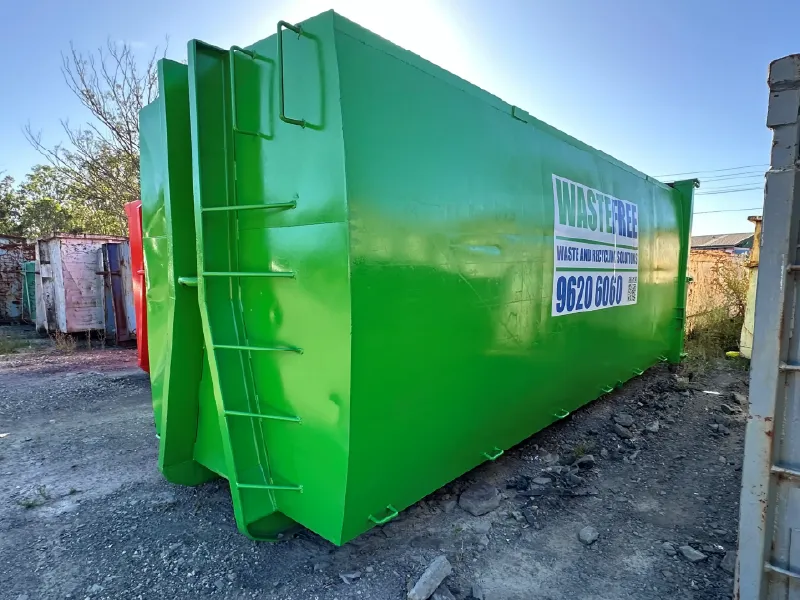
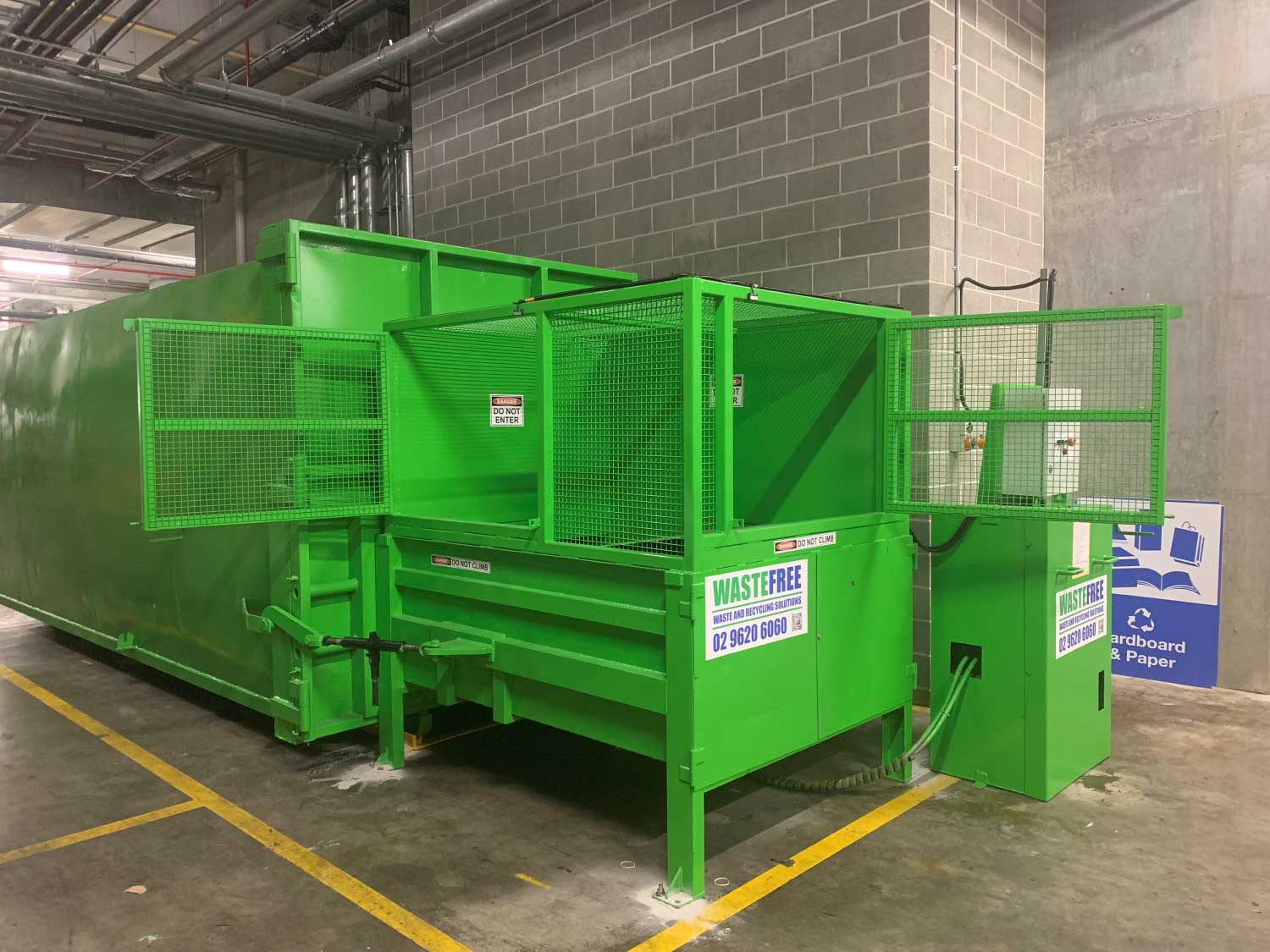
Bulk waste bin used for hard rubbish and high-volume waste collection

Managing Hard Rubbish & Bulky Waste

Hard rubbish generally refers to bulky, oversized or high-volume waste that cannot be managed efficiently through standard commercial bins.

For businesses, this waste can arise during warehouse clear-outs, commercial refurbishments, construction and demolition works, industrial operations and larger property or facility clean-ups. Larger containers provide a practical way to keep these materials contained until collection.

Wastefree structures bulk waste services around the waste being generated and the conditions of each site rather than applying the same setup to every project.

When a Skip Bin or Bulk Waste Container Is Required

Skip bins and bulk containers are suited to sites producing more waste than a standard commercial collection system can reasonably accommodate.

They may be used when:

  • construction or demolition works generate large waste volumes;
  • warehouses undertake stock or site clear-outs;
  • industrial facilities generate heavy production waste;
  • commercial premises undergo refurbishment;
  • property and facility managers coordinate larger clean-up works;
  • waste volumes increase during different stages of a project.

Larger hook lift containers provide additional capacity for heavier or higher-volume loads than standard rear-lift bins.

Skip Bin and Hook lift Sizes for Hard Rubbish

Wastefree supplies bulk hook lift bins in a range of capacities for commercial, industrial and project-based waste requirements.

Available sizes include:

  • 6m³ bulk hook lift bins: Suitable for smaller projects, controlled clean-outs and moderate volumes of bulk or construction waste.
  • 9m³ to 15m³ bulk hook lift bins: Suited to medium-scale projects, renovation works and larger quantities of mixed or demolition-related material.
  • 20m³ to 31m³ bulk hook lift bins: Designed for larger, ongoing or high-volume projects generating significant waste quantities.

Container selection depends on material type, project scale, access conditions and collection requirements.

How Hook lift Collection Supports Hard Rubbish Removal

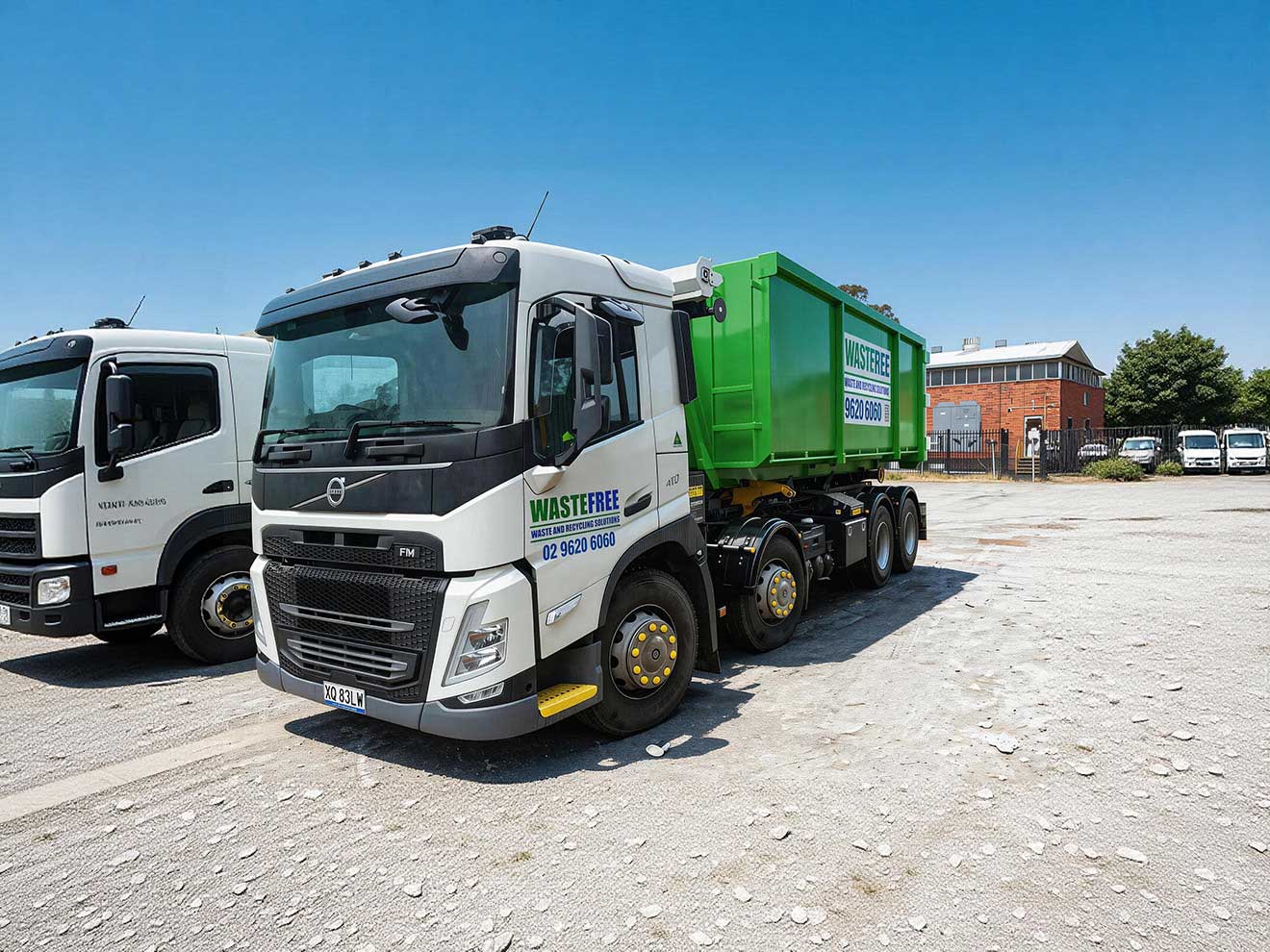
Hook lift systems are used to deliver, exchange and remove many of Wastefree's larger bulk bins.

The truck loads and unloads the container as a complete unit, allowing a full bin to be removed and, where required, replaced. This makes hook lift systems practical for sites requiring larger-capacity bins or regular exchanges.

Hook lift equipment supports the broader hard rubbish and skip bin service by enabling efficient movement of bulk containers.

Bulk hook lift bin used for hard rubbish and high-volume waste collection
Wastefree hook lift truck delivering and collecting bulk waste bins for commercial and construction sites NSW

Delivery, Placement & Collection

Hook lift bins are positioned according to site access and safety requirements, with sufficient clearance required for delivery, loading and removal.

Collection arrangements may include:

  • On-demand collection when a bin is full
  • Scheduled rotations for active sites
  • Short-term hire for clean-outs
  • Long-term placement for ongoing projects

Planning bin exchanges in advance can help reduce site congestion and avoid delays.

Hard Rubbish & Skip Bin Pricing

The right bin and collection arrangement depends on the type and volume of waste, available site access, project duration and required collection frequency. These factors also influence the overall cost of the service.

Key pricing factors include:

  • Bin size
  • Waste type and weight
  • Hire duration
  • Number of collections or rotations
  • Site access conditions
  • Disposal facility charges

Heavy materials may be priced differently from lighter mixed waste, while short-term and ongoing projects can require different service arrangements. Reviewing site and waste requirements before service begins helps establish an appropriate collection and pricing structure.

Waste Separation & Responsible Disposal

Hard rubbish and bulk waste need to be managed according to the materials contained in each load.

Wastefree transports collected construction, commercial and industrial waste to licensed facilities approved for the relevant waste streams. Correct classification and contamination control help prevent issues with load acceptance and processing.

Where materials can be separated appropriately, source separation can also support improved recovery outcomes.

Waste-Free managing general waste disposal in NSW through licensed facilities, ensuring EPA compliance and responsible environmental handling.

Compliance & Responsible Disposal

All collected waste is transported to licensed facilities approved to receive construction, commercial or industrial waste streams. Load classification and contamination control are essential to avoid rejected bins or additional charges. 

Maintaining correct material separation improves recovery outcomes and supports environmental compliance. 

Risks of Inadequate Bulk Waste Management

Without suitable containment and collection planning, bulk waste can contribute to:

  • Blocked access areas
  • Increased safety risks
  • Delays caused by waste accumulation
  • Contamination or disposal issues
  • Higher waste handling and disposal costs

Structured skip bin and hook lift services reduce these risks and support safer, more organised project environments. 

Reviewing Your Hard Rubbish & Skip Bin Requirements

Waste volumes and site conditions can change as projects progress or operational requirements shift. Reviewing bin capacity, placement and collection frequency helps keep the service aligned with the waste being generated.

Wastefree can review site requirements and determine a suitable bin and collection arrangement for ongoing operations, clean-outs or project-based bulk waste.

Frequently Asked Questions

A skip bin is a large waste container used for bulky or high-volume waste, while a hook lift bin is a larger container designed to be loaded and removed using a hook lift vehicle. 

Hook lift bins are typically suited to heavier materials, larger waste volumes and ongoing commercial, industrial or construction projects.

Hook lift bins are suited to projects or sites generating larger volumes of bulky, heavy or irregular waste that cannot be efficiently managed through standard commercial bins. 

They are commonly used for construction and demolition works, warehouse clear-outs, industrial operations, commercial refurbishments and large-scale property clean-ups. 

Wastefree's bulk bins are designed for heavy, bulky and mixed waste generated by commercial, industrial and project-based activities. 

Typical applications include construction and demolition debris, renovation waste, commercial clean-out material and bulk industrial waste. The waste type should be identified when arranging the service so the appropriate container and disposal pathway can be selected.

The right bin size depends on the type and volume of waste, project scale, available site access and how frequently the waste will be removed. 

Wastefree supplies 6m³ hook lift bins for smaller projects and controlled clean-outs, 9m³ to 15m³ bins for renovation and medium-scale building works, and 20m³ to 31m³ bins for large or ongoing high-volume projects.

Heavy materials can affect the appropriate bin selection and the overall cost of the service because both the type and weight of the waste need to be considered. 

Concrete, masonry and other dense materials may be priced differently from lighter mixed waste, so the expected material type and volume should be assessed before the bin is supplied.

A hook lift bin needs a suitable location with enough access and clearance for the collection vehicle to safely deliver, position and remove the container. 

The placement area should be considered before delivery, particularly on active construction, commercial or industrial sites where parked vehicles, equipment or changing site conditions could restrict access.

Yes. Wastefree can provide on-demand collection when a bin is full as well as scheduled bin rotations for sites generating waste continuously. 

Planning bin exchanges in advance can help prevent waste accumulation, site congestion and delays on active projects.

Yes. Wastefree provides short-term bin hire for clean-outs as well as longer-term placement for ongoing projects. 

The appropriate arrangement depends on the project duration, expected waste volume and how frequently the bin needs to be collected or exchanged. 

Commercial skip bin and hook lift bin pricing varies according to the requirements of the project. 

Key factors include the bin size, type and weight of the waste, hire duration, number of bin rotations, site access and disposal facility charges. Short-term projects may operate on a per-bin basis, while ongoing projects may require scheduled rotations over several weeks or months.

Council approval may be required when a skip bin is placed on a public road, footpath, nature strip or other public land. 

Requirements vary between Sydney council areas, so the applicable local approval and placement requirements should be checked before arranging a bin in a public area.

Waste collected through Wastefree's skip bin and hook lift services is transported to licensed facilities approved to receive the relevant construction, commercial or industrial waste stream. 

Correct waste classification and material separation are important because they help prevent rejected loads, support compliant disposal and improve opportunities for material recovery where appropriate.

TOP