
Copyright © 2026 Wastefree Pty Ltd. All rights reserved.
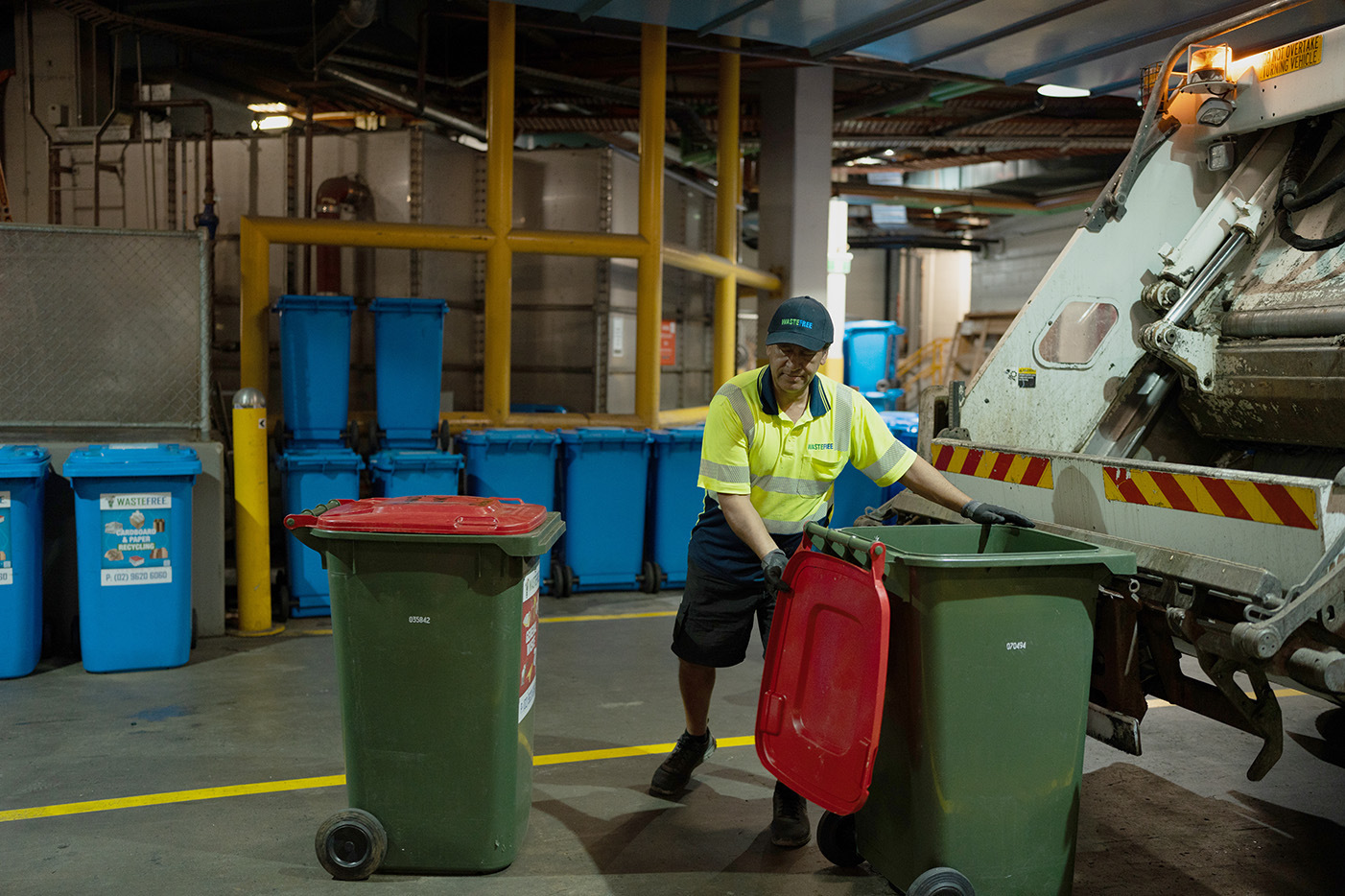
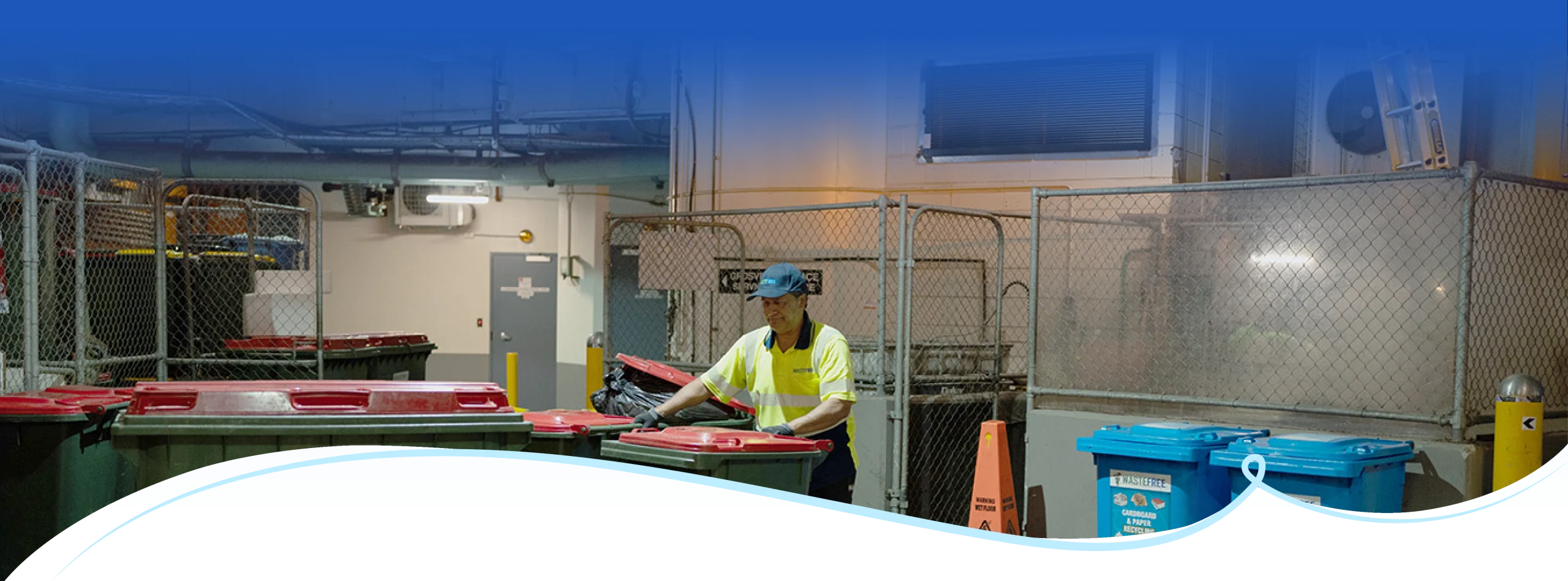
Commercial waste collection bins and operator handling general waste for industrial waste management services in Sydney

General Waste Services Sydney

General waste is the residual waste stream that remains once recyclable and recoverable materials have been separated. It is produced daily across commercial, industrial, construction, education and healthcare environments and requires consistent, compliant handling to avoid operational, hygiene and safety issues. 

Wastefree provides general waste services throughout NSW, servicing Sydney and surrounding business communities. Our services are built around reliable delivery, appropriate containment and compliant disposal. Our role is to ensure general waste is removed safely, on schedule and without becoming a disruption to site operations. 

We work with businesses ranging from small commercial premises to large, multi-site organisations, designing general waste services that are practical, scalable and easy to manage over time.

Wastefree can structure general waste services around your site requirements, including: 

  • Routine general waste collection for commercial and industrial sites  
  • High-volume general waste removal  
  • General waste services for construction and fit-out projects  
  • Multi-site general waste coordination  
  • General waste bin supply, servicing and maintenance  
  • Compliance-focused general waste planning  
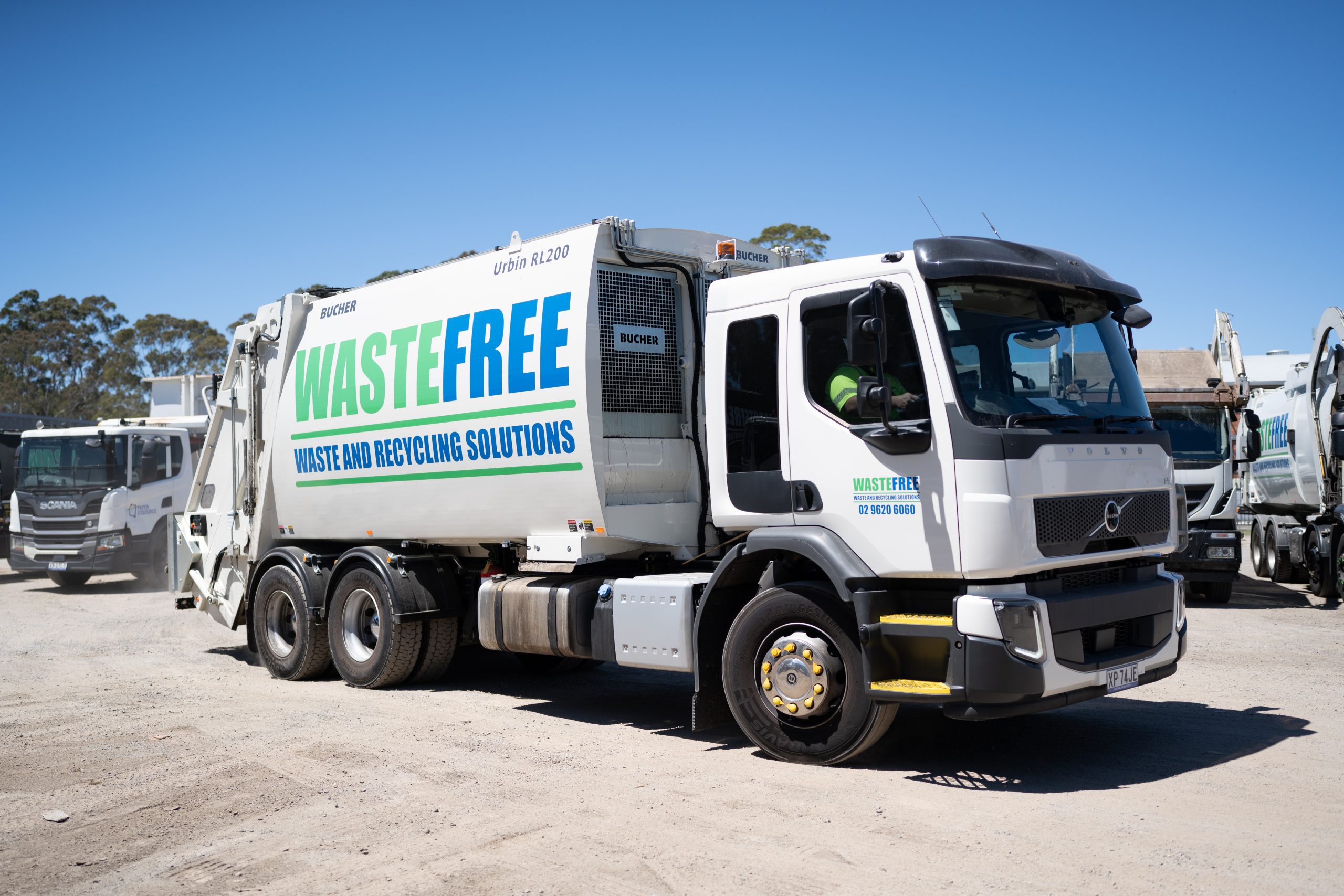
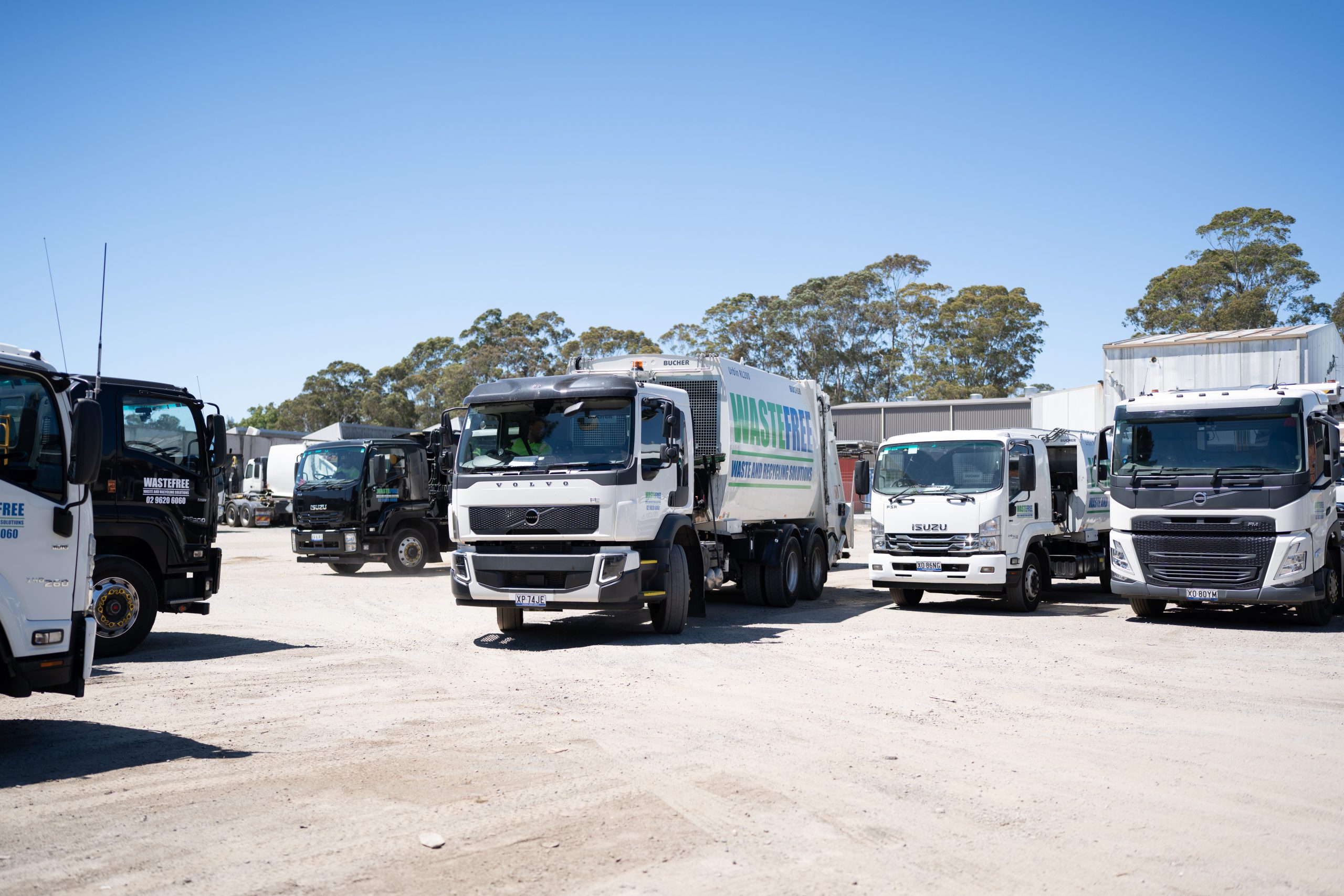
Waste collection truck for commercial and industrial general waste management services in Sydney operations

What Does General Waste Management Looks Like in Practice?

Effective general waste management is not just about removing bins. It involves aligning waste containment, collection frequency and access requirements with how a site actually functions day to day. 

Wastefree approaches general waste management by: 

  • Assessing how and where waste is generated on site 
  • Selecting bin types that suit space, access and volume constraints 
  • Establishing collection schedules that prevent overflow and hygiene issues 
  • Ensuring waste is transported and disposed of in line with regulatory requirements 

This approach helps businesses maintain clean, safe environments while keeping waste systems predictable and controlled. 

General Waste Services Available

Wastefree delivers a broad range of general waste services across Sydney, including: 

  • Routine general waste collections for commercial and industrial sites 
  • High-volume general waste removal for busy or complex environments 
  • General waste services for construction and fit-out projects 
  • Coordination of general waste across multiple locations 
  • Supply, servicing and maintenance of general waste bins 
  • Support for compliance-focused waste planning 

Services are structured to suit site-specific requirements rather than applying a one-size-fits-all model.

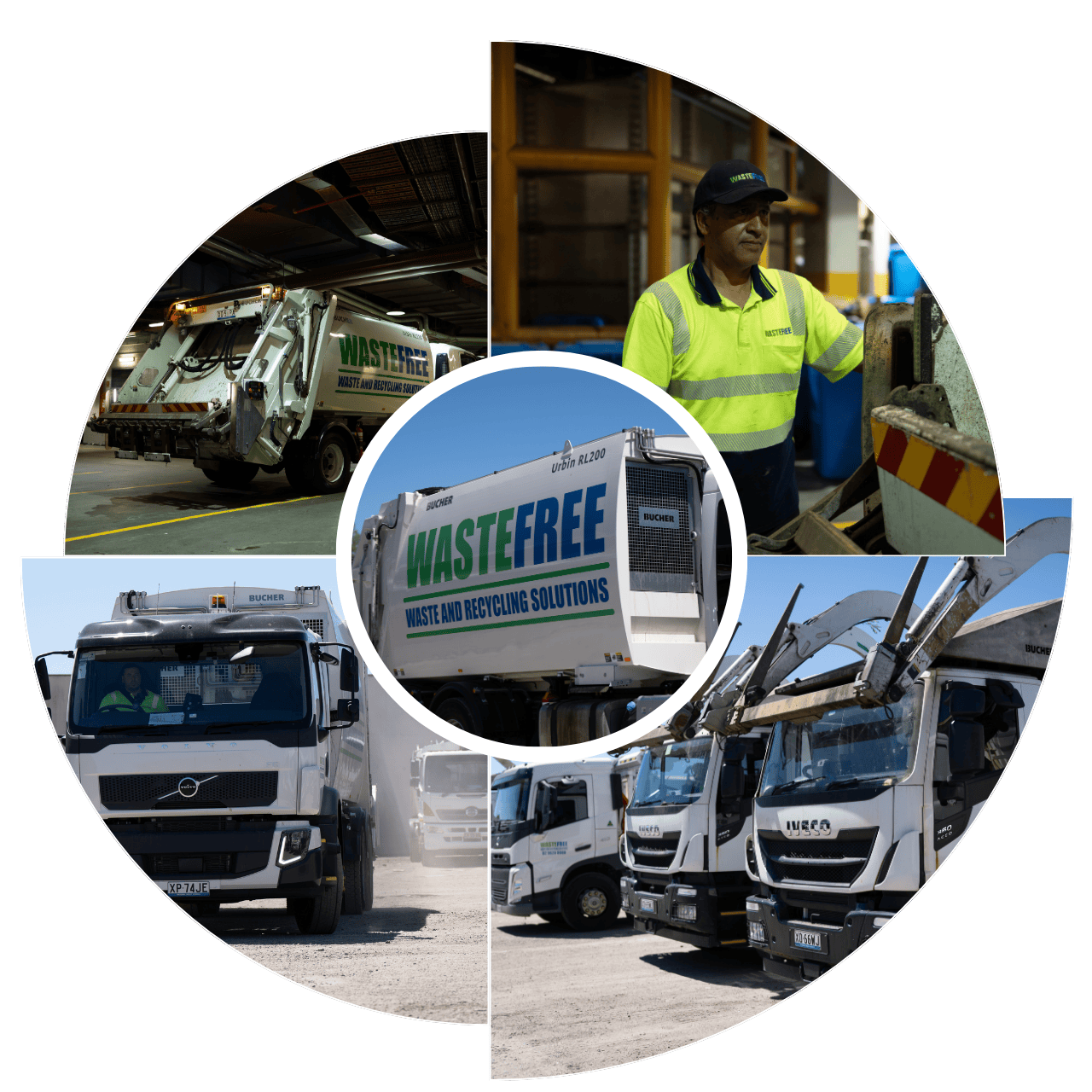
multi-site industrial waste management operations across australia with wastefree fleet and coordinated collection services
Waste collection truck for commercial and industrial general waste management services in Sydney operations

Sites That Commonly Require General Waste Services

General waste services are required in most operating environments, but the way waste is generated and handled varies significantly. Wastefree regularly supports: 

  • Office buildings and commercial properties 
  • Retail centres and customer-facing venues 
  • Warehousing, logistics and distribution facilities 
  • Manufacturing and industrial sites 
  • Hospitality and food service environments 
  • Schools, childcare centres and universities 
  • Healthcare and aged care facilities (non-clinical waste streams) 

Understanding these differences is essential to delivering reliable general waste services that remain effective as operations change. 

General Waste Collection Pricing in Sydney

The cost of general waste collection depends on how waste is generated and managed at your site. There is no fixed rate for general waste services, as pricing varies according to operational requirements and service structure. 

Businesses researching general waste collection cost or commercial waste management pricing should consider the following factors: 

  • Bin size and number of containers required 
  • Collection frequency (daily, weekly or scheduled service intervals) 
  • Volume and weight of general waste produced 
  • Site access conditions and vehicle requirements 
  • Type of facility receiving the waste 
  • Multi-site coordination or consolidated billing arrangements 

Larger or multi-location organisations may benefit from coordinated service structures that streamline billing and improve cost efficiency across sites. 

Because general waste pricing is influenced by site-specific variables, an assessment of waste volumes, access and service requirements is typically required to provide an accurate quote. 

A structured general waste system can also help reduce unnecessary costs by preventing overflow, avoiding contamination charges and ensuring bin sizes are appropriately matched to waste output. 

General Waste Containers and Collection Methods

Wastefree supplies a range of general waste containers to suit different site layouts, waste volumes and access constraints. Container selection is based on how waste is generated, available space and collection requirements. 

Available options include: 

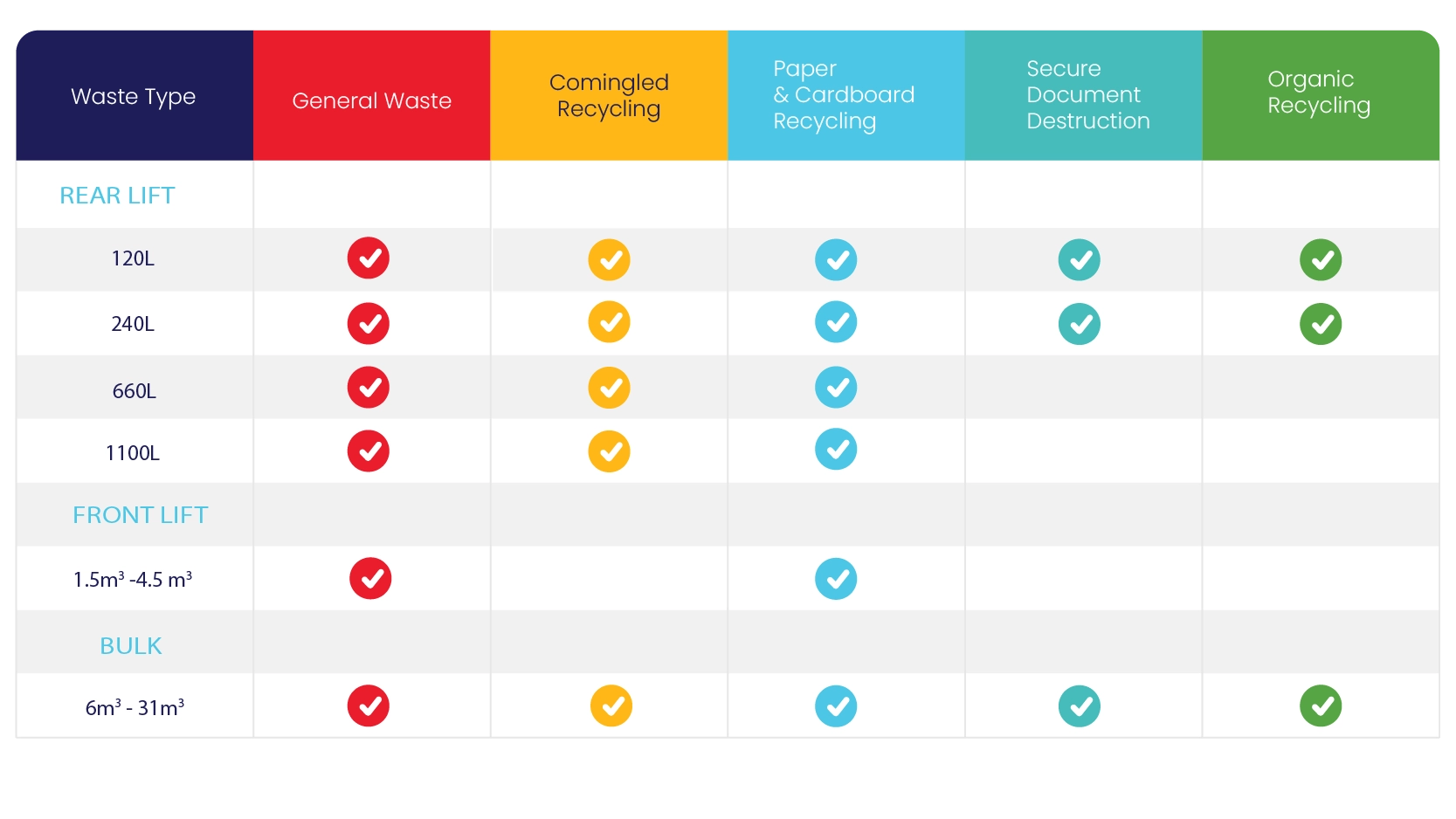
  • Small rear-lift bins (120L and 240L)
    Suitable for low-volume general waste at small commercial premises, offices and retail sites with limited space. 
  • Medium and large rear-lift bins (660L and 1100L)
    Designed for higher daily waste volumes at busy commercial properties, hospitality venues and multi-tenant sites. 
  • Front-lift bins (1.5m³, 3.0m³ and 4.5m³)
    Used at larger commercial and industrial sites where consistent waste volumes require efficient mechanical collection. 
  • Hook-lift bins (6m³ to 30m³)
    Suitable for bulk general waste, construction activities, site clean-ups and high-volume waste generation. 

Collection methods are selected based on container type, site access and safety considerations, ensuring waste is removed efficiently, safely and with minimal disruption to site operations. 

General waste bin icon for commercial and industrial waste management and disposal services

General Waste

Waste collection bin sizes for different waste types
Wastefree commingled recycling bin with mixed recyclable materials for commercial waste management services

Commingled Recycling

Waste collection bin sizes for different waste types
Paper recycling bin icon for commercial paper and cardboard recycling

Paper Recycling

Waste collection bin sizes for different waste types
Wastefree secure document destruction bin for confidential paper shredding and compliance management

Secure Document Destruction

Waste collection bin sizes for different waste types
Wastefree organic recycling bin for commercial food and organics waste

Organic Recycling

Waste collection bin sizes for different waste types

The Operational Risks of Poor General Waste Control

When general waste systems are not set up correctly, issues can escalate quickly. Common problems include:

Wastefree highlighting odour and hygiene risks caused by poorly managed general waste systems.Wastefree addressing general waste hygiene and odour issues across NSW business sites.

Odour and hygiene concerns

Wastefree identifying pest and vermin risks linked to poor general waste control.Wastefree preventing pest attraction caused by unmanaged general waste.

Attraction of pests and vermin

Wastefree reducing operational disruption caused by ineffective waste management systems.Wastefree helping businesses avoid disruption from poor general waste practices.

Disruption to staff, tenants or customers

Wastefree mitigating workplace health and safety risks associated with general waste.Wastefree supporting safer waste handling to reduce workplace hazards.

Increased health and safety risks

Wastefree resolving general waste bin overflow and restricted access issues.Wastefree managing general waste bin overflow across NSW commercial sites.

Overflowing bins and restricted access points

Wastefree ensuring general waste services meet EPA and local council compliance standards.Wastefree delivering compliant general waste management in line with NSW environmental regulations.

Non-compliance with environmental and local council requirements

A structured general waste service reduces these risks
by keeping waste volumes controlled and collections consistent.

Waste-Free managing general waste disposal in NSW through licensed facilities, ensuring EPA compliance and responsible environmental handling.

Disposal Standards and Regulatory Compliance

All general waste collected by Wastefree is transported to licensed facilities approved to receive and process general waste in accordance with EPA and regulatory requirements. Handling procedures are designed to minimise risk and ensure waste is managed responsibly throughout the collection and disposal process. 

This provides businesses with confidence that their general waste is being managed in line with current environmental and compliance standards. 

Reviewing Your General Waste Requirements

General waste needs often change due to business growth, seasonal demand, site redevelopment or operational shifts. Wastefree works with organisations to review existing general waste arrangements and identify opportunities to improve reliability, efficiency or compliance. 

If your business is operating in NSW and requires a structured approach to general waste management, our team can assess your requirements and recommend a solution aligned to your operational needs. 

Frequently Asked Questions

General waste is the residual waste left after recyclable, recoverable and separately managed materials have been removed. For businesses, it typically covers everyday non-recyclable waste generated through normal operations that does not require a dedicated or specialised waste stream.

Commercial general waste bins are intended for residual, non-recyclable waste that cannot be recovered through an available recycling or dedicated waste service. Materials that can be recycled, recovered or require specialised handling should be separated into the appropriate waste stream rather than placed in general waste.

Recyclable materials and waste requiring specialised handling should be kept out of general waste. This can include paper and cardboard, commingled recyclables, e-waste, batteries, chemicals, clinical waste and other regulated or hazardous materials where a separate collection or disposal pathway is required. 

Correct separation helps reduce contamination, unnecessary landfill disposal and safety risks.

Some NSW businesses are now required to separate food waste from general waste. From 1 July 2026, the first stage of NSW food-organics requirements applies to certain larger supermarkets, hospitality businesses and institutions, with additional businesses being brought into the requirements in later stages. 

Businesses that generate food waste should review whether they fall within the current requirements and whether a separate organics collection is appropriate for their site.

The right bin size depends on the amount of waste generated, available space, site access and collection frequency. 

Wastefree offers general waste containers ranging from 120L and 240L rear-lift bins through to 660L and 1100L bins, 1.5m³ to 4.5m³ front-lift bins and 6m³ to 30m³ hook-lift bins. Matching container capacity to actual waste output can help avoid overflow without paying for unnecessary capacity.

Commercial general waste should be collected often enough to prevent overflow, odour, hygiene issues and disruption to site operations. The appropriate schedule depends on how quickly waste is generated, available bin capacity and the way the site operates. 

Wastefree can structure collections around daily, weekly or other scheduled service intervals according to site requirements.

Regularly overflowing bins usually indicate that the current bin capacity or collection schedule is no longer suitable. The service may need a larger container, additional bins, more frequent collections or a review of materials that could be separated into recycling or organics. 

Wastefree can assess waste volumes, container use and servicing requirements to determine a more suitable setup.

Commercial general waste collection does not have one standard price because the cost depends on the requirements of the site. Factors can include bin size, number of containers, collection frequency, waste volume and weight, site access, vehicle requirements and the facility receiving the waste. 

Multi-site servicing or consolidated arrangements may also influence the overall service structure. An assessment of the site's requirements is generally needed for an accurate quote.

Yes. Wastefree provides coordinated general waste services for businesses operating across multiple locations as well as individual commercial and industrial sites. 

A coordinated service structure can help standardise collection arrangements, simplify service management and adapt waste services as sites or operational requirements change. 

General waste collected by Wastefree is transported to licensed facilities approved to receive and process the material in accordance with applicable environmental and regulatory requirements. 

Because general waste is the residual stream, separating recyclable and recoverable materials before collection remains important for reducing unnecessary landfill disposal.

Start by identifying recyclable and recoverable materials that are currently being disposed of as general waste. Common opportunities may include separating paper and cardboard, commingled recyclables and food organics into dedicated streams. 

Appropriate bin placement, clear waste separation practices and regular reviews of waste volumes can also help businesses reduce residual waste and improve resource recovery.

TOP