

Copyright © 2026 Wastefree Pty Ltd. All rights reserved.
Wastefree green waste processing reducing landfill and improving sustainability outcomes across NSW projects

Green Waste Recycling Services in NSW

Green waste recycling in NSW involves the structured collection and processing of plant-based organic materials generated across commercial properties, construction sites and industrial environments.  

Wastefree delivers green waste recycling services across New South Wales and throughout the Sydney metro area, supporting businesses with controlled collection systems that divert vegetation waste from landfill and ensure it is processed through licensed facilities. 

Vegetation waste may appear low-risk compared to other waste streams, but without proper separation and scheduling, it can lead to overflow, contamination and unnecessary disposal costs. 
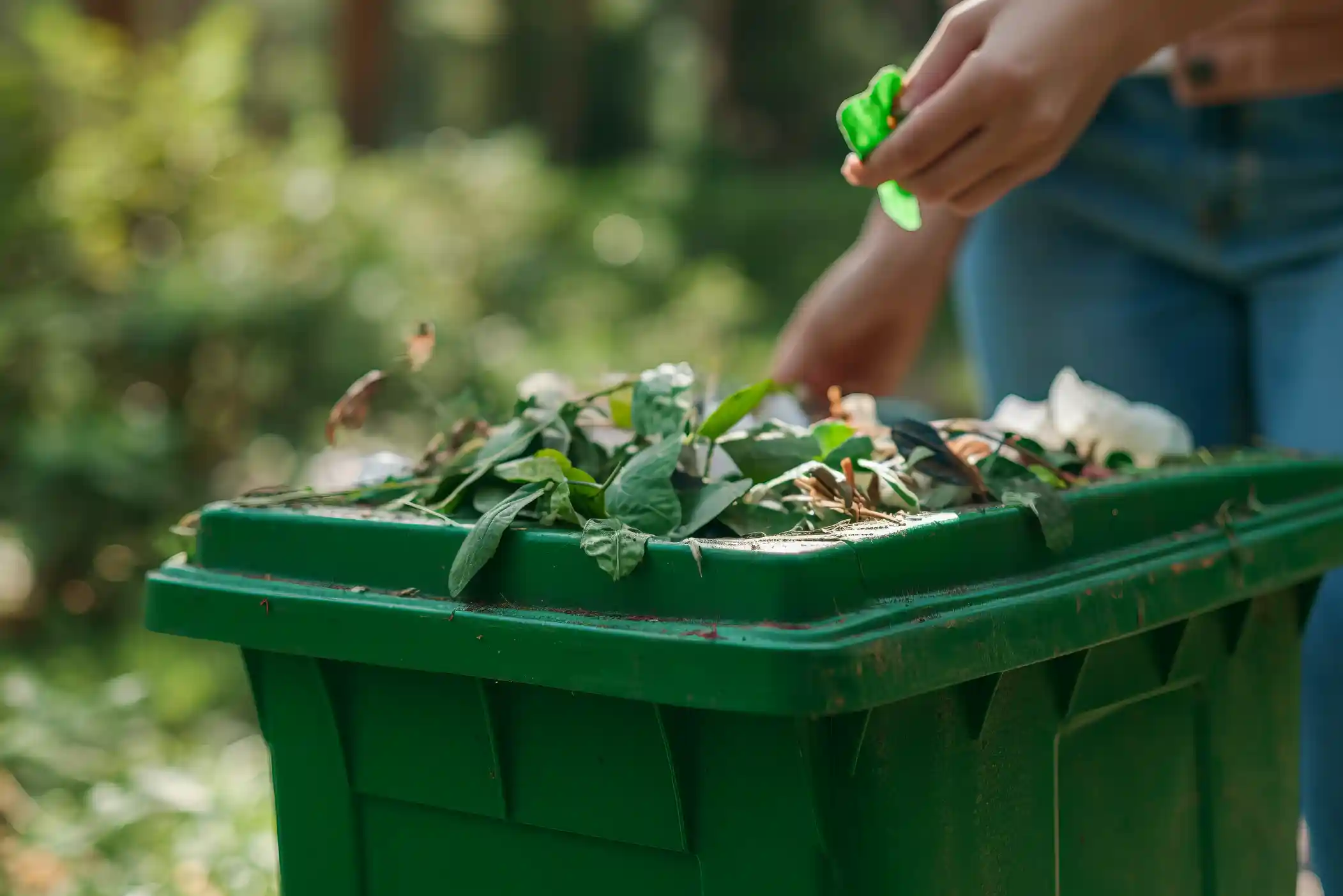
Wastefree commercial green waste recycling services in NSW ensuring EPA compliance and landfill reduction

What Is Classified as Green Waste?

Green waste typically includes organic plant materials such as: 

  • Grass clippings 
  • Leaves and hedge trimmings 
  • Small branches and pruned vegetation 
  • Shrubs and garden cuttings 
  • Landscaping offcuts 

To remain suitable for recycling, green waste must be kept free from plastics, treated timber, soil-heavy debris, construction materials and general waste contamination. 

Proper separation ensures material can be processed into reusable products such as mulch and compost rather than being directed to landfill. 

How Commercial Green Waste Recycling Works?

Green waste volumes fluctuate depending on seasonal growth cycles, landscaping schedules and construction activity. Unlike food waste, vegetation waste is often generated in batches rather than evenly across the year.

Wastefree green waste collection for commercial landscaping and maintenance operations across NSW

An effective green waste recycling structure considers:

  • Seasonal peaks in mowing and pruning activity
  • Safe storage prior to collection
  • Bulk volumes during landscaping upgrades
  • Access for collection vehicles
  • Temporary site-clearing works

Aligning bin size and collection frequency with vegetation output helps prevent overflow and reduces unnecessary service costs.

Green Waste Bin Sizes and Container Options

Wastefree supplies a range of containers suited to commercial and industrial green waste volumes. 

Available options include: 

  • 240L rear-lift bins for smaller landscaped commercial sites 
  • 660L and 1100L rear-lift bins for regular vegetation output 
  • 1.5m³, 3.0m³ and 4.5m³ front-lift bins for consistent commercial green waste 
  • 6m³ to 30m³ hook-lift bins for bulk landscaping projects or construction-related vegetation removal 

Container selection is determined by vegetation volume, site access and whether waste is generated gradually or in concentrated batches. 

Hook-lift bins are commonly used during major landscaping upgrades or development projects where high volumes of green waste are produced in short timeframes. 

Green waste recycling from commercial landscapes including office parks, construction sites, education campuses, healthcare facilities and government properties with garden waste collection.

Industries That Commonly Require Green Waste Recycling

Green waste recycling services are frequently required across: 

  • Commercial office parks and business precincts 
  • Construction and development sites 
  • Educational campuses 
  • Healthcare and aged care facilities 
  • Government-managed properties 
  • Industrial facilities with landscaped areas 

Some sites operate routine maintenance programs requiring scheduled collection, while others require periodic bulk removal services aligned with landscaping works.

Environmental and Compliance Considerations

When processed through licensed recycling facilities, green waste can be converted into mulch, compost or soil-conditioning materials. This supports circular resource use and reduces landfill dependency. 

Maintaining clean separation is critical. Contamination with general waste or treated timber may result in loads being rejected, increasing disposal costs and reducing recovery outcomes. 

Structured green waste recycling systems help organisations maintain environmental compliance while supporting internal sustainability targets. 

Green Waste Recycling Pricing

Green waste recycling cost varies depending on operational factors. Businesses searching for green waste collection pricing, commercial garden waste removal cost or vegetation waste disposal rates should consider: 

  • Volume and weight of vegetation material 
  • Bin size and number of containers required 
  • Collection frequency 
  • Seasonal fluctuations in waste generation 
  • Site access and vehicle requirements 
  • Bulk removal versus recurring service arrangements 

Large landscaping projects typically require hook-lift bins and short-term intensive servicing, while routine property maintenance may operate on scheduled weekly or fortnightly collection. 

An on-site assessment enables accurate pricing based on vegetation output and logistical considerations.

Waste-Free managing general waste disposal in NSW through licensed facilities, ensuring EPA compliance and responsible environmental handling.

Risks of Poor Green Waste Management

If green waste is not managed correctly, businesses may experience: 

  • Overflowing bins during peak seasons 
  • Blocked access points 
  • Pest activity 
  • Increased landfill charges due to contamination 
  • Safety hazards from loose vegetation material 

Implementing a structured recycling program reduces these risks and improves site presentation.

Reviewing Your Green Waste Recycling System

As landscaping programs evolve or construction projects commence, green waste volumes can change quickly. Reviewing bin sizing, placement and collection scheduling ensures systems remain aligned with operational demand. 

For businesses operating in NSW, a structured green waste recycling service provides a controlled and environmentally responsible method for managing vegetation waste.

TOP