

Copyright © 2026 Wastefree Pty Ltd. All rights reserved.
Healthcare worker assisting patient in clinical setting highlighting medical waste collection services in NSW healthcare facilities

Medical Waste Collection Services in NSW

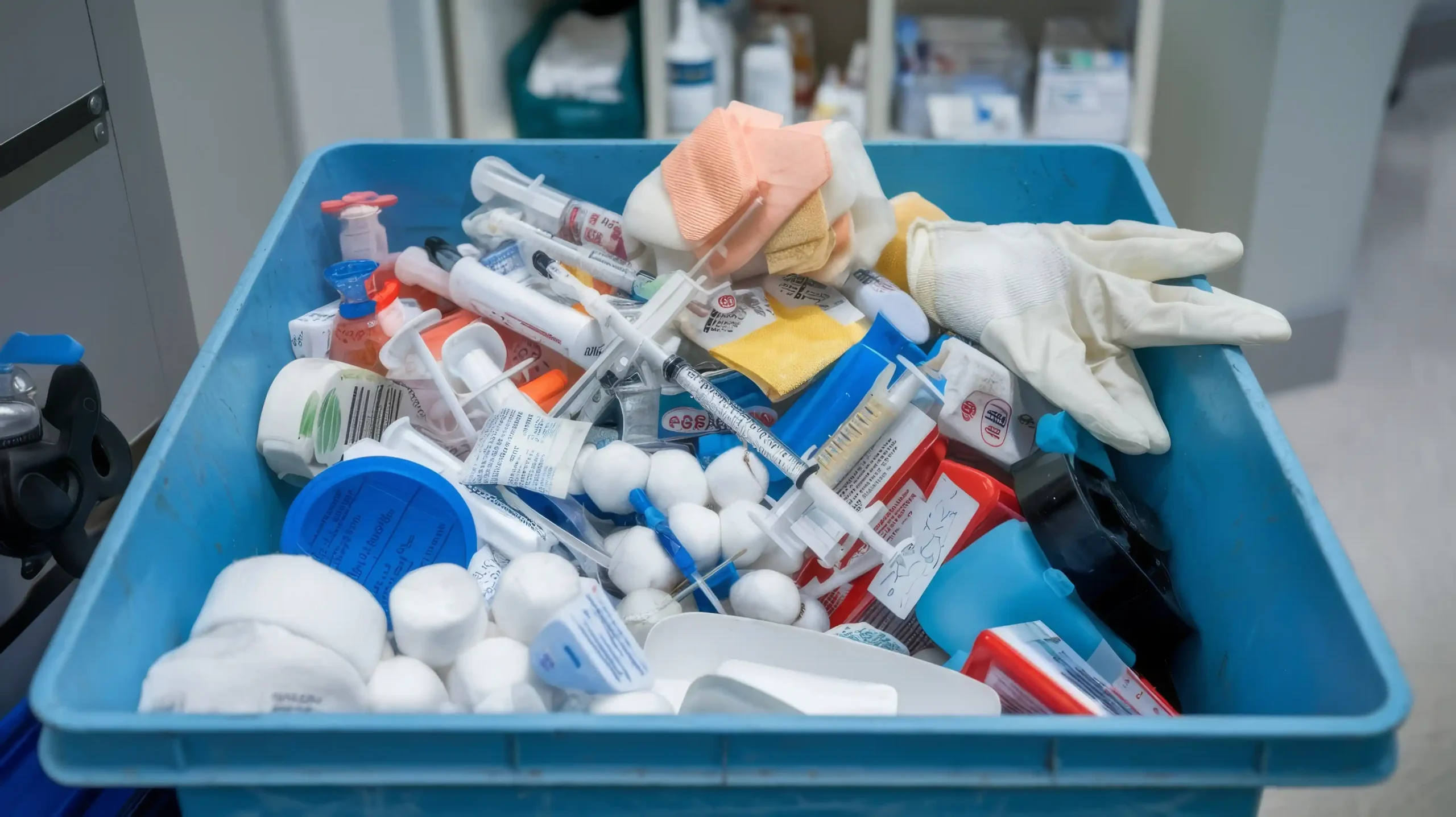
Medical waste in NSW includes clinical and healthcare-related materials generated by medical centres, dental practices, aged care facilities, laboratories and other health environments. These waste streams require regulated handling, controlled storage and compliant disposal to protect staff, patients and the wider community. 

Wastefree delivers structured medical waste collection services throughout New South Wales with a strong operational presence in Sydney. We support healthcare providers with reliable pickup schedules, compliant containment systems and licensed disposal pathways. Our services are designed to maintain hygiene standards while ensuring healthcare waste is removed safely and in accordance with regulatory requirements. 

Improper handling of clinical waste can create infection risks, contamination issues and serious compliance breaches. A structured medical waste management system ensures that healthcare environments remain safe, controlled and aligned with EPA and health regulations.

What Is Considered Medical or Clinical Waste?

Medical waste may include: 

  • Clinical waste contaminated with blood or bodily fluids 
  • Sharps containers (where coordinated) 
  • Sanitary and hygiene waste 
  • Pathology and laboratory waste 
  • PPE and contaminated materials 
  • Minor procedure waste 

Some waste streams require specialised treatment methods depending on contamination level and classification. Clear separation between clinical and non-clinical waste is essential to prevent regulatory issues.

How Medical Waste Collection Works?

Healthcare waste management requires strict adherence to handling and storage standards. Medical waste must be stored in approved containers and removed on a consistent schedule to prevent hygiene risks.

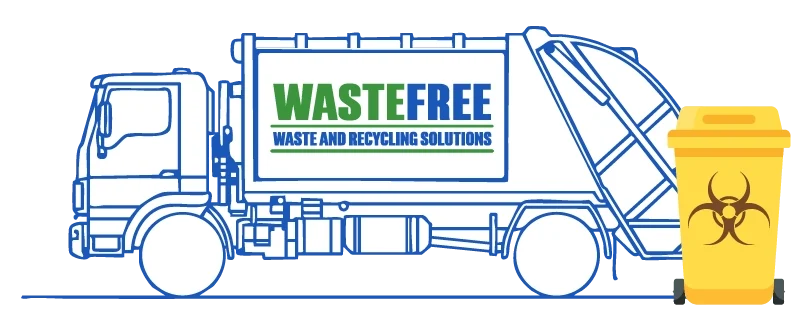
Wastefree medical waste bins supporting healthcare waste disposal across VIC and NSW

An effective medical waste system involves:

  • Installation of compliant medical waste bins
  • Scheduled collection to prevent overflow
  • Secure lids and appropriate labelling
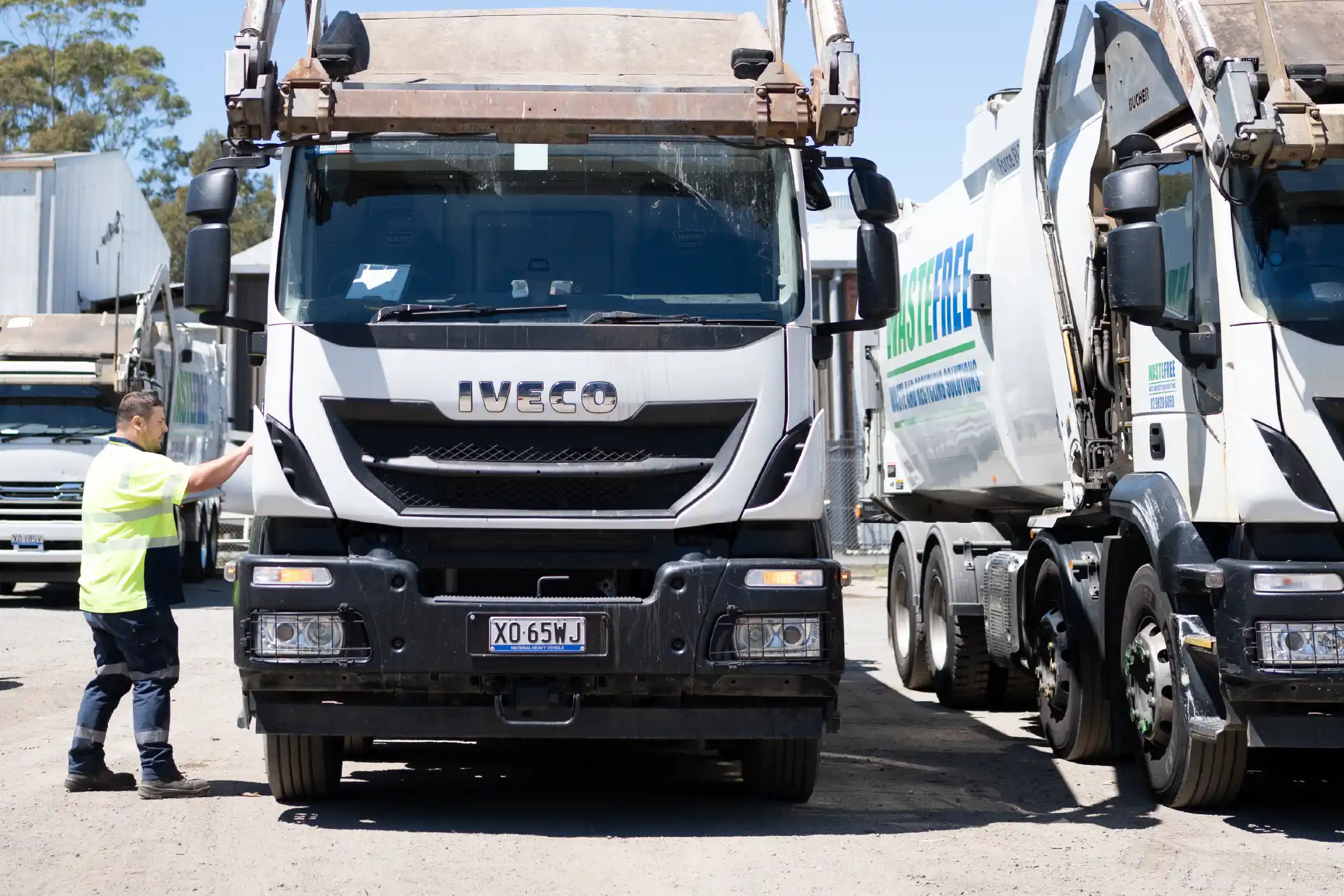
  • Safe transport using licensed vehicles
  • Placement aligned with workflow and patient care areas
  • Delivery to approved treatment facilities

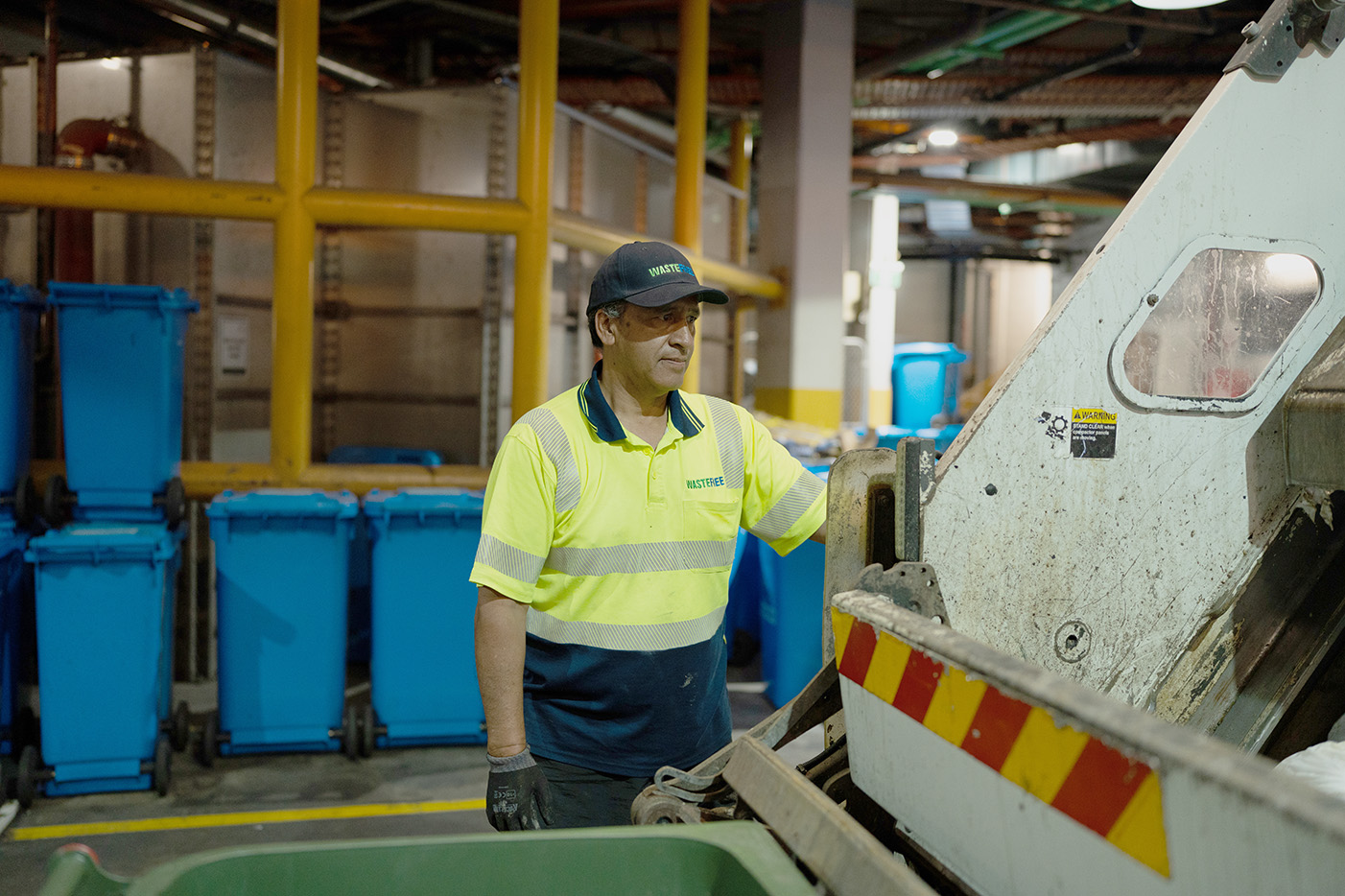
Operators handling clinical waste follow strict procedures to minimise exposure risk and ensure controlled movement from site to processing facility.

Approved Bin Sizes for Medical Waste

Medical waste must be contained in compliant rear-lift containers suitable for regulated collection. 

Available container options include: 

  • 120L rear-lift clinical waste bins for small to medium healthcare facilities 
  • Multiple 120L bins for larger sites generating higher clinical volumes 

Bin sizing is determined by patient throughput, treatment frequency and waste classification. Regular servicing ensures hygiene standards are maintained and storage areas remain controlled. 


Healthcare Environments Requiring Medical Waste Services

Medical waste collection services are commonly required across: 

  • General medical clinics 
  • Dental practices 
  • Aged care and assisted living facilities 
  • Pathology and diagnostic centres 
  • Allied health practices 
  • Cosmetic and dermatology clinics 
  • Minor surgical facilities 

Each environment generates clinical waste at different rates and must operate within strict regulatory frameworks.

Medical Waste Collection Pricing

Medical waste collection cost varies depending on operational requirements and waste classification. Businesses searching for medical waste disposal pricing or clinical waste collection cost in NSW should consider: 

  • Volume of clinical waste generated 
  • Number of bins required 
  • Collection frequency 
  • Waste classification type 
  • Site access conditions 
  • Regulatory disposal fees 

Because clinical waste requires specialised treatment, pricing differs from general waste or recycling services. 

An assessment of site conditions and waste volume enables a compliant and cost-effective medical waste management plan to be structured. 

Treatment and Regulatory Compliance

All medical waste collected by Wastefree is transported to licensed treatment facilities operating under EPA and healthcare regulatory standards. Approved processing methods may include sterilisation, thermal treatment or other regulated procedures depending on waste classification. 

Maintaining compliance throughout the collection and treatment chain protects healthcare providers from regulatory breaches and ensures safe disposal of clinical materials.

Waste-Free managing general waste disposal in NSW through licensed facilities, ensuring EPA compliance and responsible environmental handling.

Risks of Poor Medical Waste Management

If clinical waste is not managed correctly, facilities may face: 

  • Infection and contamination risks 
  • Occupational health and safety incidents 
  • Regulatory fines and compliance breaches 
  • Rejected loads due to incorrect classification 
  • Damage to reputation 

Implementing a structured medical waste collection program reduces these risks and maintains controlled healthcare environments. 

Reviewing Your Medical Waste Management System

Changes in patient numbers, service expansion or new treatment offerings can increase clinical waste volumes. Reviewing bin allocation, collection frequency and compliance processes ensures systems remain aligned with operational demand. 

For healthcare providers operating in NSW, structured medical waste collection services provide a reliable and compliant solution for managing clinical waste safely.

TOP