
Copyright © 2026 Wastefree Pty Ltd. All rights reserved.
Wastefree helping your business achieve waste-free sustainability through industrial waste reduction and recycling

Practical Waste Solutions That Support Real Environmental Outcomes

Sustainability in waste management is not defined by intention, but by how waste is handled, separated and processed in practice. Across NSW, businesses are under increasing pressure to reduce landfill reliance, improve recycling outcomes and align with environmental regulations. 

Wastefree supports organisations throughout New South Wales with structured waste and recycling systems designed to reduce environmental impact while maintaining operational efficiency. Our approach focuses on practical solutions that help businesses divert waste from landfill, improve material recovery and meet evolving sustainability expectations. 

By aligning waste management with real operational workflows, businesses can achieve measurable environmental outcomes without disrupting day-to-day operations.
Reducing Landfill Through Better Waste Separation

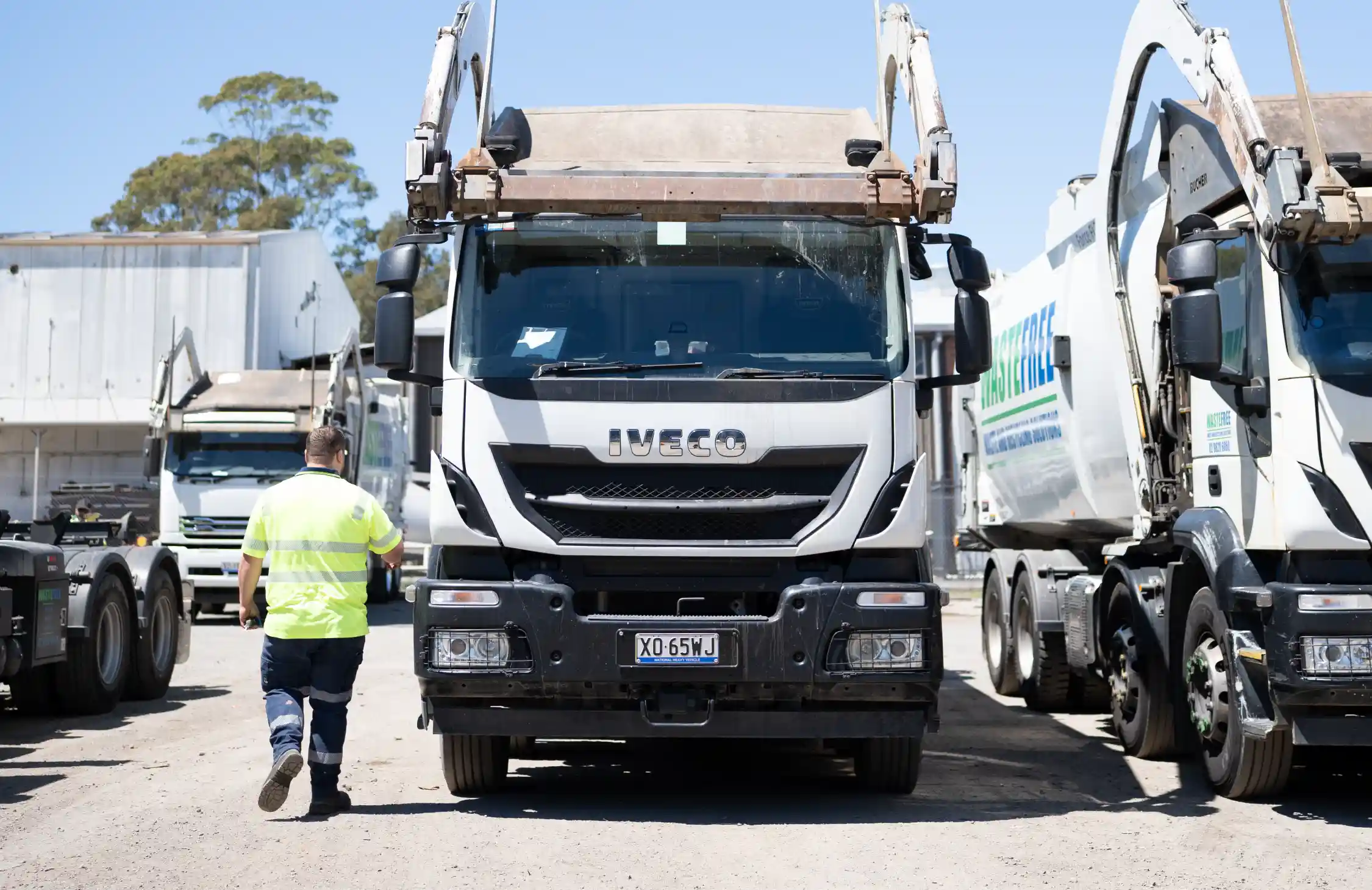
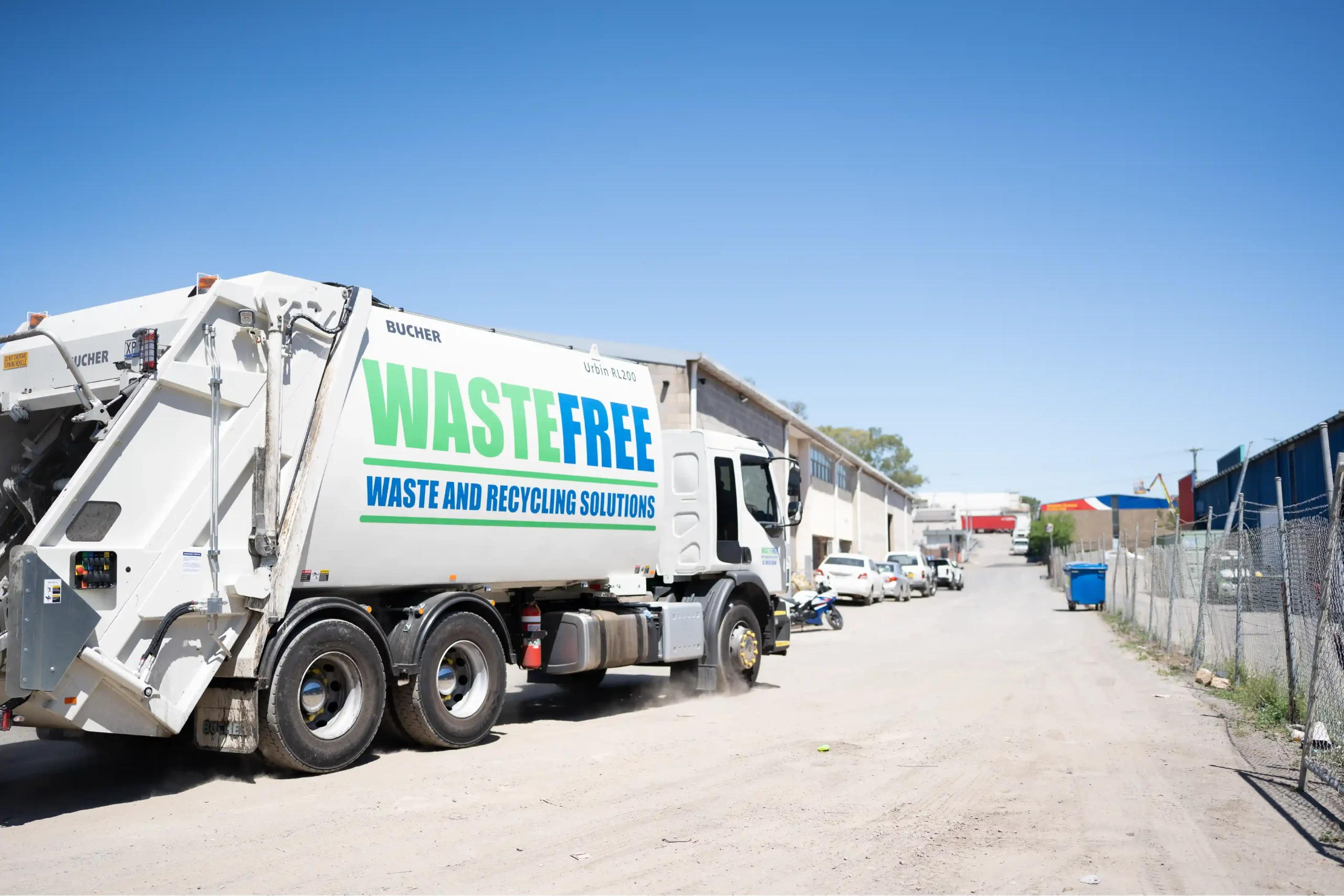
Wastefree green waste collection for commercial landscaping and maintenance operations across NSW

One of the most effective ways to improve sustainability outcomes is through proper waste separation at the source. When recyclable and organic materials are mixed with general waste, recovery opportunities are lost and landfill volumes increase.

Wastefree works with businesses to:

  • Identify recyclable and recoverable waste streams
  • Implement appropriate bin systems
  • Reduce contamination through clear separation
  • Improve diversion from landfill

Structured waste separation is foundational to supporting your business environmental goals and improving overall efficiency. Through this separation, materials can be effectively reused, recycled, or recovered, which reduces the volume of waste destined for landfills.

Commercial waste diversion strategies enabling circular economy outcomes for industrial and manufacturing sectors

Supporting the Circular Economy

Many waste streams collected across NSW can be processed into reusable materials when handled correctly. Paper, cardboard, organics and certain construction materials can be diverted from landfill and reintroduced into productive use. 

Through controlled collection and delivery to licensed facilities, Wastefree supports the recovery of materials that can be processed into: 

  • Compost and soil conditioners  
  • Mulch for landscaping and agriculture  
  • Recycled fibre products  
  • Reprocessed construction materials  

This contributes to a circular economy where waste is treated as a resource rather than a disposal problem.

Food Waste Diversion and FOGO Readiness 

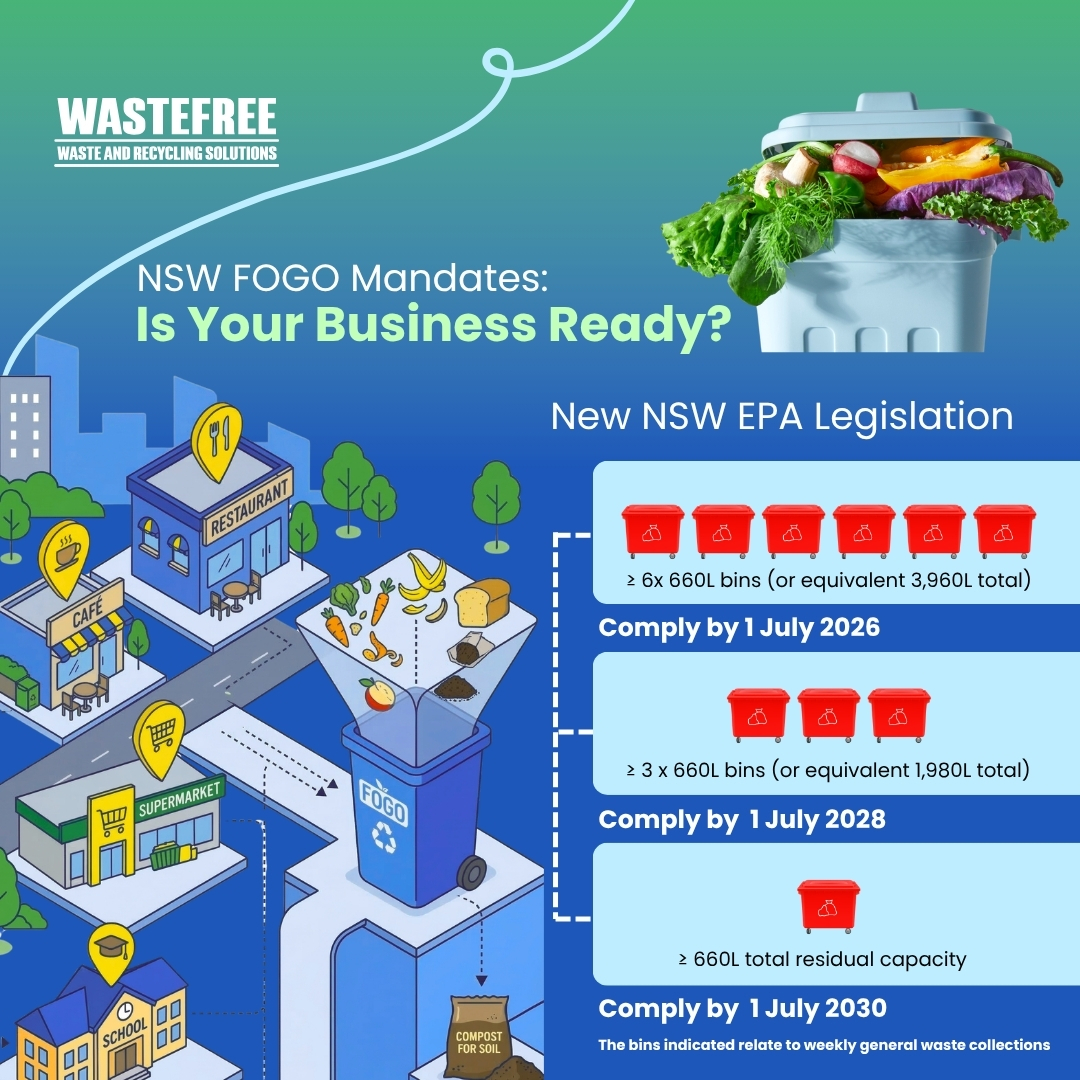
With NSW FOGO mandates being introduced from 2026, food waste separation is becoming a critical component of sustainable waste management. 

Organic waste sent to landfill generates methane emissions and contributes to environmental impact. Separating food waste allows it to be processed into beneficial products such as compost or renewable energy. 

Wastefree supports businesses with: 

  • Food waste separation systems  
  • Bin configuration and placement  
  • Collection services aligned with hygiene requirements  
  • Education to reduce contamination  

Preparing early for FOGO compliance not only reduces environmental impact but also positions businesses ahead of regulatory requirements. 

Wastefree NSW FOGO mandates 2026 services for commercial food organics waste compliance and recycling

Reducing Risk and Environmental Harm

Incorrect waste disposal can create environmental and safety risks. Items such as batteries, liquids and hazardous materials can cause contamination, fires or damage to infrastructure if not handled correctly. 

Wastefree helps businesses reduce these risks through: 

  • Clear waste stream separation  
  • Controlled collection systems  
  • Guidance on appropriate disposal methods  
  • Safe transport to licensed facilities  

Reducing environmental risk is a key part of responsible waste management and supports long-term sustainability. 

Compliance with Environmental Regulations 

Sustainability is closely linked to compliance. Waste must be managed in accordance with EPA guidelines, local council regulations and industry standards. 

Wastefree ensures that all waste streams are: 

  • Collected safely  
  • Transported responsibly  
  • Delivered to licensed processing or disposal facilities  

This provides businesses with confidence that their waste is being managed in line with current environmental requirements. 

Commercial waste management system supporting regulatory compliance and sustainable operations

Data, Reporting and Continuous Improvement

Improving sustainability outcomes requires visibility into waste performance. Understanding how much waste is generated, where it goes and how it is managed allows businesses to make informed decisions. 

Sustainability is not a one-time initiative. It is an ongoing process of refining systems and improving outcomes. 


Identifying opportunities to reduce waste

Supporting waste assessments

Improving recycling performance over time

Aligning waste systems with business growth

A Practical Approach to Sustainability 

Sustainability should not complicate operations. The most effective waste systems are those that are simple to use, easy to maintain and aligned with how a business actually functions. 

Wastefree focuses on delivering: 

  • Practical waste solutions  
  • Scalable service structures  
  • Reliable collection systems  
  • Measurable environmental outcomes  

For businesses operating in NSW, structured waste management is one of the most direct ways to reduce environmental impact while maintaining operational control. 


TOP