Copyright © 2026 Wastefree Pty Ltd. All rights reserved.

Commercial & Industrial Waste Services in NSW

Commercial and industrial waste in NSW includes the mixed and high-volume waste streams generated across factories, warehouses, logistics facilities, retail centres and large commercial properties. These environments often produce a combination of packaging waste, production by-products, damaged stock, pallets and general operational debris that require structured handling. 

Wastefree delivers commercial and industrial waste services throughout New South Wales, supporting businesses with scalable bin systems, scheduled collection and compliant disposal pathways. Our services are designed to keep operational environments safe, organised and aligned with regulatory requirements. 

Without a structured waste management system, commercial and industrial sites can experience congestion, contamination, overflow and unnecessary disposal costs. Implementing controlled waste removal processes ensures materials are separated appropriately and removed without disrupting daily operations. 

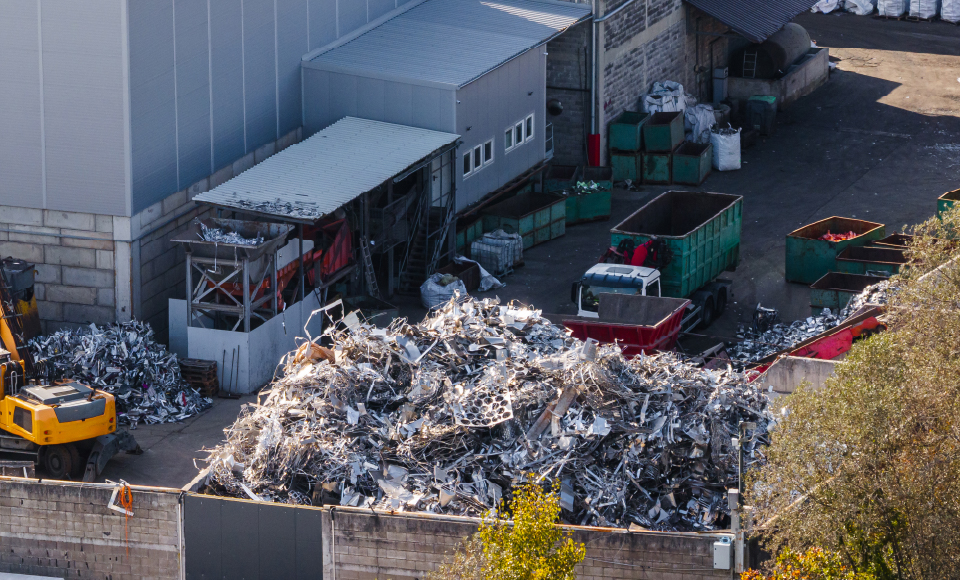
Commercial and industrial waste materials including packaging, pallets, plastics, manufacturing by-products and warehouse waste prepared for sorting and recycling.

What Is Considered Commercial & Industrial Waste?

Commercial and industrial waste may include: 

  • Mixed packaging materials 
  • Damaged or obsolete stock 
  • Timber pallets and production offcuts 
  • Plastics and wrapping materials 
  • Non-hazardous manufacturing by-products 
  • General operational waste 
  • Warehouse and distribution waste 

Some materials may be recyclable depending on contamination levels and separation practices. Segregating waste streams at the source improves recovery outcomes and reduces landfill reliance.

How Commercial & Industrial Waste Management Works?

Unlike smaller commercial premises, industrial environments often generate higher waste volumes with fluctuating output depending on production schedules and supply chain activity. An effective waste management structure includes:

  • Identifying high-volume waste generation zones
  • Separating recyclable and non-recyclable streams
  • Allocating appropriate bin sizes
  • Monitoring contamination levels
  • Scheduling collections aligned with operational cycles
  • Coordinating multi-site waste services where required

This approach ensures waste does not interfere with workflow, loading docks or safety compliance requirements. 

Commercial & Industrial Waste Bin Sizes

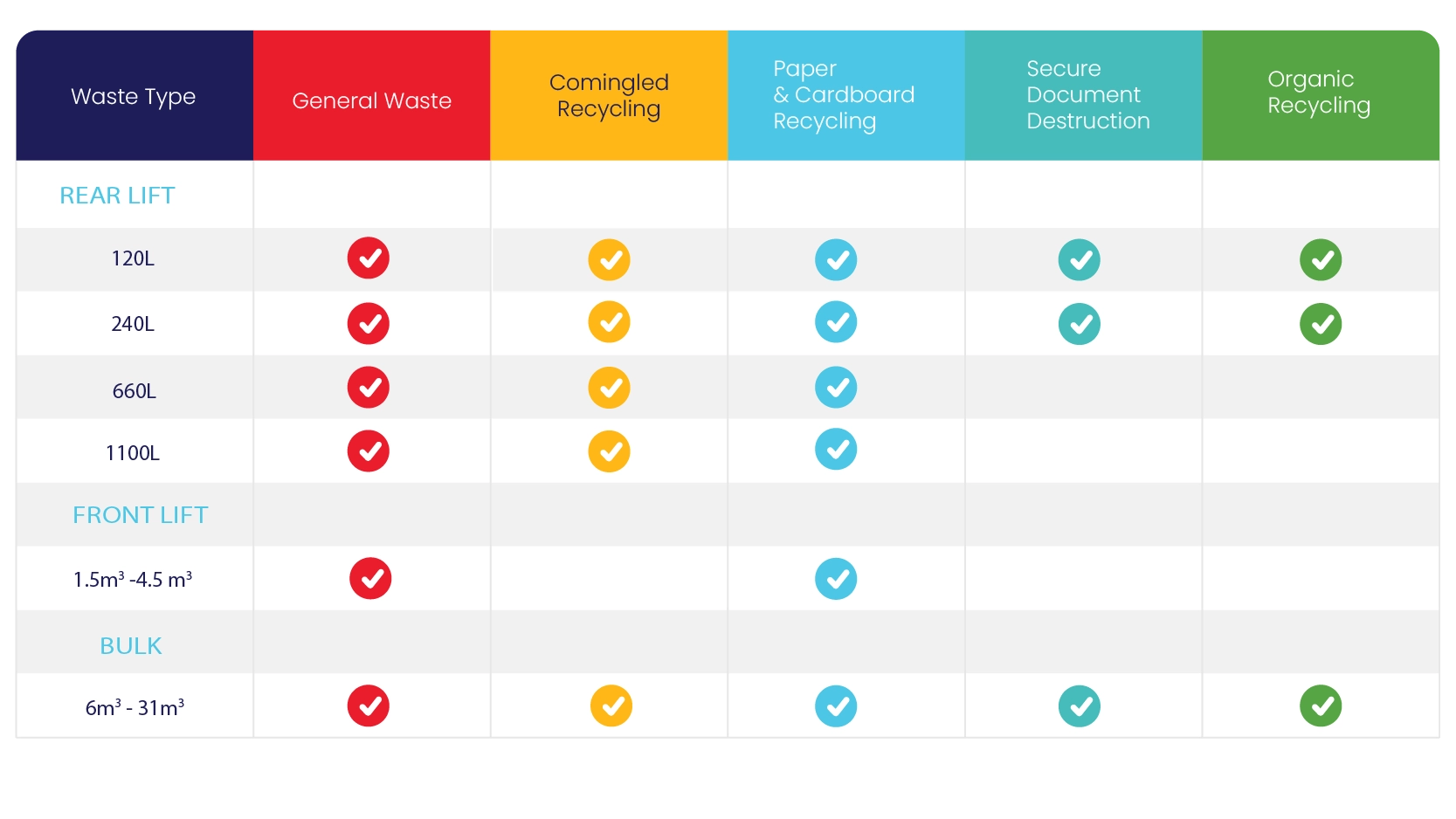
Wastefree supplies a full range of container options designed to manage varying commercial and industrial waste volumes. Bin selection is determined by waste output, available space, internal handling requirements and collection frequency. 

Available container sizes include: 

  • 120L and 240L rear-lift bins
    Suitable for small waste stations, internal collection points and low-volume commercial areas where space is limited. 
  • 660L and 1100L rear-lift bins
    Designed for medium to high daily waste volumes across warehouses, retail back-of-house areas and active commercial environments. 
  • 1.5m³, 3.0m³ and 4.5m³ front-lift bins
    Appropriate for larger commercial and industrial waste streams requiring mechanical collection and consistent servicing. 
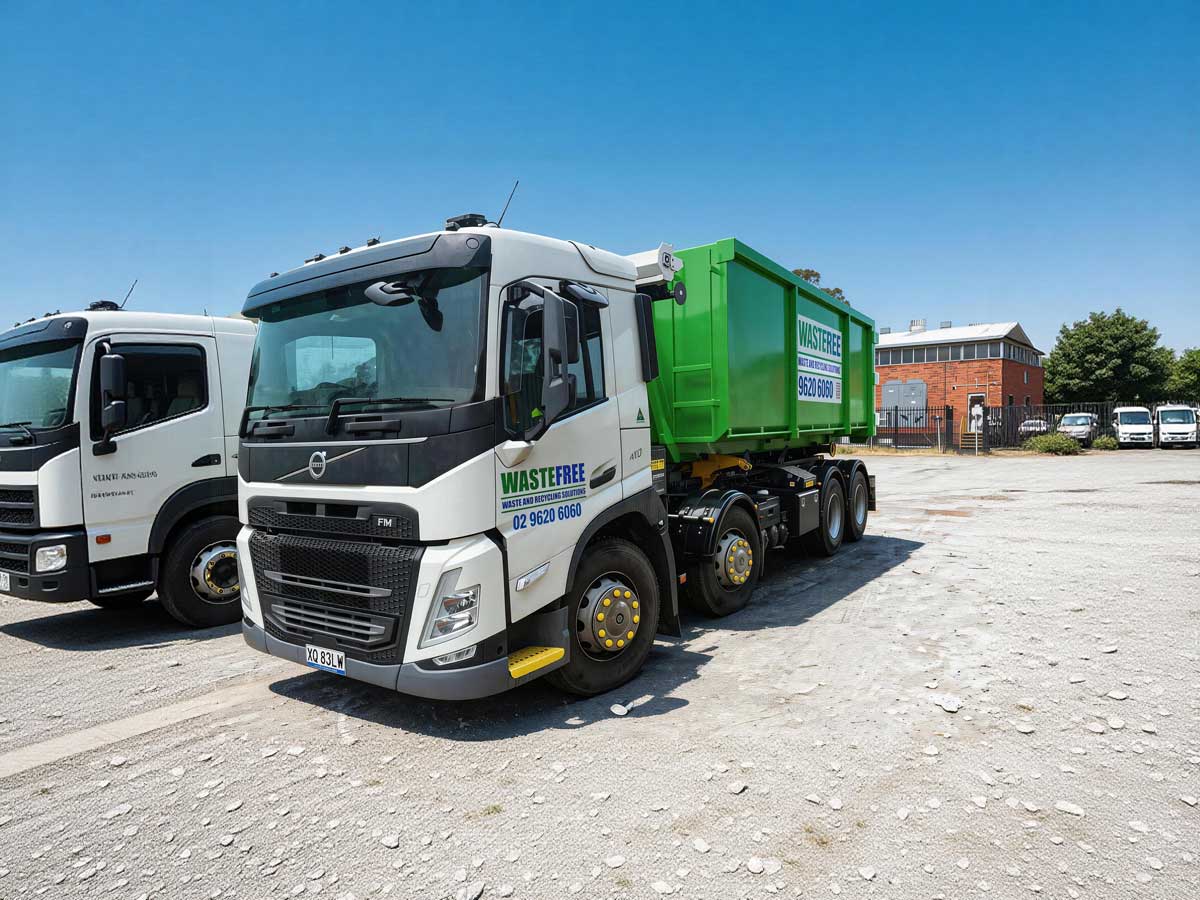
  • 6m³ to 31m³ bulk hook-lift bins
    Used for heavy, bulky or high-volume industrial waste, including manufacturing by-products, large packaging volumes and ongoing operational debris. 

Container combinations can be structured to separate recyclable materials from general industrial waste, improving recovery outcomes and reducing landfill exposure. 

General Waste

Comingled Recycling

Paper Recycling

Secure Document Destruction

Organic Recycling

Industries Commonly Requiring Industrial Waste Services

Commercial and industrial waste management services are typically required across: 

  • Manufacturing facilities 
  • Warehousing and logistics operations 
  • Distribution centres 
  • Large retail and wholesale environments 
  • Food production sites (non-organic streams) 
  • Industrial estates and business parks 

Each environment produces waste differently, making tailored waste planning essential. 

Wastefree governance and tracking systems for industrial waste management and audit-ready reporting

Compliance and Environmental Considerations

Industrial waste must be managed in accordance with EPA and local council requirements. Incorrect classification, contamination or improper disposal can result in rejected loads, fines or operational disruption. 

Structured waste services ensure materials are transported to licensed facilities approved to receive commercial and industrial waste. Proper documentation and safe handling procedures support regulatory compliance. 

Where recyclable materials are present, separation can improve recovery rates and support sustainability reporting objectives. 

Commercial & Industrial Waste Pricing

Commercial waste collection cost and industrial waste management pricing vary depending on operational factors. Businesses searching for commercial waste removal pricing or factory waste disposal cost in NSW should consider: 

  • Volume and weight of waste generated 
  • Bin size and number of containers required 
  • Collection frequency 
  • Type of waste material 
  • Site access conditions 
  • Multi-site coordination requirements 

High-volume industrial operations may require hook-lift bins and more frequent servicing, while steady-output sites may operate with scheduled front-lift collections. 

An assessment of waste output and site logistics enables pricing to be structured accurately and efficiently. 

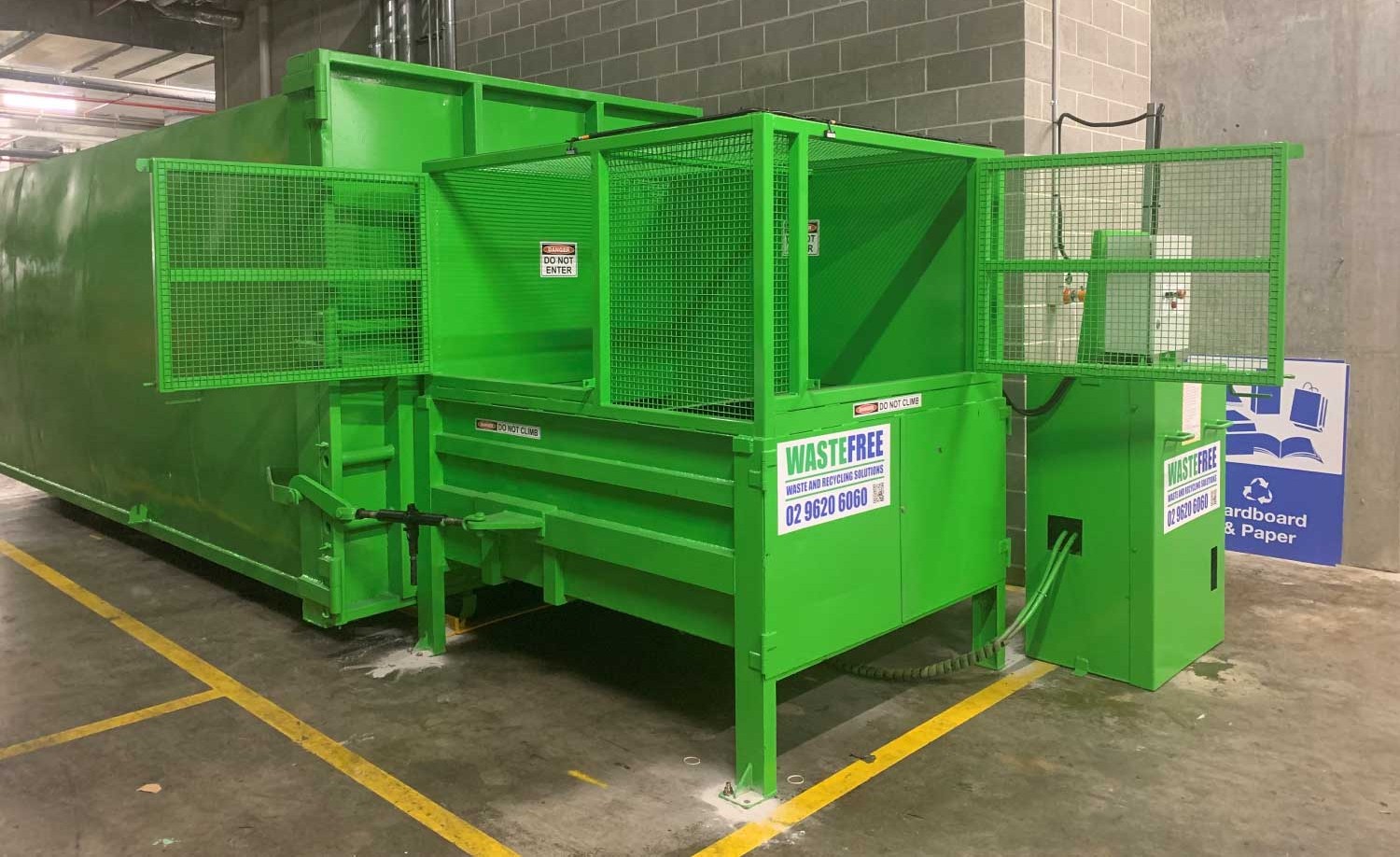
Waste-Free managing general waste disposal in NSW through licensed facilities, ensuring EPA compliance and responsible environmental handling.

Risks of Poor Industrial Waste Management

If commercial or industrial waste systems are not structured correctly, sites may encounter: 

  • Overflowing bins and blocked loading zones 
  • Increased contamination and landfill charges 
  • Health and safety hazards 
  • Fire risks from improperly stored materials 
  • Non-compliance with environmental regulations 

Implementing a structured waste removal system reduces operational disruption and improves site safety. 

Reviewing Your Commercial Waste Arrangements

As production levels shift or operations expand, waste volumes may increase rapidly. Reviewing bin capacity, separation practices and collection schedules ensures waste systems remain aligned with business growth. 

For businesses operating in NSW, structured commercial and industrial waste services provide scalable, compliant and operationally reliable waste management solutions.

TOP